What does Acts 7:7 mean?
“And the nation to whom they shall be in bondage will I judge, said God: and after that shall they come forth, and serve me in this place.” — Acts 7:7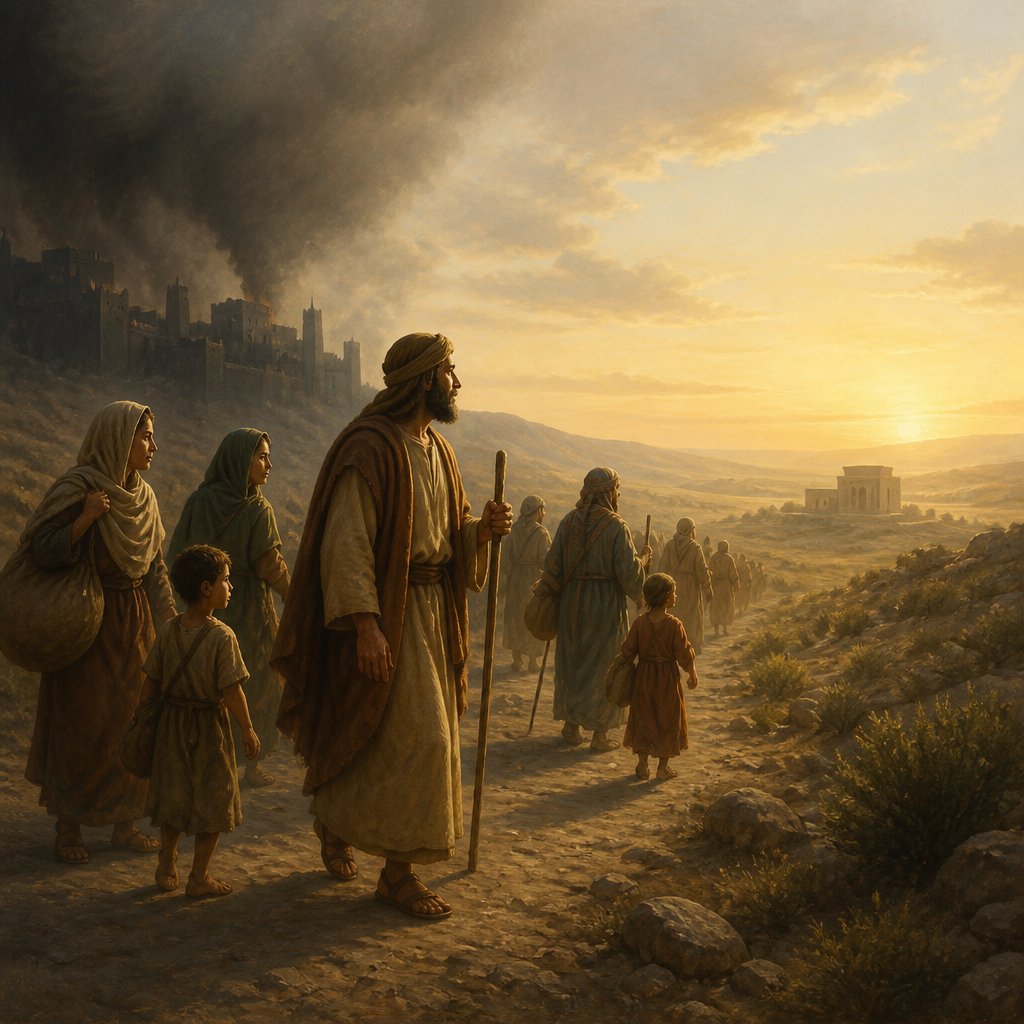
Sure, here is a detailed commentary on Acts 7:7 from the King James Version of the Bible:
The verse Acts 7:7 from the King James Version reads as follows:
"And the nation to whom they shall be in bondage will I judge, said God: and after that shall they come forth, and serve me in this place."
This verse comes from the book of Acts in the New Testament and is part of a speech delivered by Stephen, one of the disciples of Jesus, before the Sanhedrin. The speech is a defense of the Christian faith and an account of the history of Israel, from their origins in the time of Abraham to the coming of Jesus Christ.
In this particular verse, Stephen is recounting the story of the Israelites' enslavement in Egypt and their eventual deliverance by God. The verse refers to God's promise to judge the nation that enslaves the Israelites and to bring them out of bondage so that they may serve Him in the promised land.
The theme of liberation and deliverance is central to this verse. Throughout the Old Testament, the Israelites experienced periods of bondage and oppression, only to be rescued by God's intervention. This theme is reflective of the broader biblical narrative of God's faithfulness to His people and His willingness to intervene on their behalf. It also speaks to the idea of God as a just and righteous judge, who will hold nations accountable for their treatment of His chosen people.
Another important theme in this verse is the concept of divine providence. The verse emphasizes that it is God who will judge the nation in bondage and bring about the Israelites' deliverance. This highlights the belief in God's control over human history and His active involvement in the affairs of the world. It also underscores the idea that God's plans and purposes will ultimately be fulfilled, despite the actions of human beings.
The verse also points to the idea of servanthood and obedience to God. After being delivered from bondage, the Israelites are called to serve God in the promised land. This speaks to the covenant relationship between God and His people, in which they are called to live in obedience to His commands and to worship Him alone. It also suggests that true freedom is found in serving God and living according to His will.
In terms of context, this verse is part of a larger narrative that explores the history of Israel and its relationship with God. Stephen's speech is framed as a defense of the Christian faith and a critique of the religious authorities who have rejected Jesus as the Messiah. By recounting the story of Israel's deliverance from bondage, Stephen is drawing parallels to the Christian belief in Jesus as the ultimate deliverer and savior.
Symbolically, the verse can be seen as a foreshadowing of the coming of Jesus Christ. In the Christian tradition, Jesus is viewed as the ultimate fulfillment of God's promise to deliver His people from bondage. Through His death and resurrection, Jesus offers liberation from sin and the promise of eternal life. The verse can also be interpreted as a metaphor for the spiritual bondage that all people experience apart from God, and the freedom that comes through faith in Christ.
In conclusion, Acts 7:7 from the King James Version of the Bible is a verse that speaks to the themes of liberation, divine providence, servanthood, and obedience to God. It is part of a larger narrative that explores the history of Israel and its relationship with God, and it holds significance for the Christian faith in its portrayal of Jesus as the ultimate deliverer. The verse serves as a powerful reminder of God's faithfulness to His people and His call for them to live in obedience and service to Him.
Get our apps


Artwork for Acts 7:7

Acts 7:7 - "And the nation to whom they shall be in bondage will I judge, said God: and after that shall they come forth, and serve me in this place."
"And the nation to whom they shall be in bondage will I judge, said God: and after that shall they come forth, and serve me in this place." - Acts 7:7

Acts 3:6-7

Acts 3:6-7

Acts 3:6-7

Acts 3:6-7

Acts 3:6-7

Acts 14:7 - "And there they preached the gospel."

acts 20:7-12

Acts 7:47 - "But Solomon built him an house."

Acts 7:1 - "Then said the high priest, Are these things so?"

Acts 19:7 - "And all the men were about twelve."

"And there they preached the gospel." - Acts 14:7

Acts 7:50 - "Hath not my hand made all these things?"

Acts 7:18 - "Till another king arose, which knew not Joseph."

Acts 7:53 - "Who have received the law by the disposition of angels, and have not kept it."

Acts 7:9 - "And the patriarchs, moved with envy, sold Joseph into Egypt: but God was with him,"

Acts 7:22 - "And Moses was learned in all the wisdom of the Egyptians, and was mighty in words and in deeds."

Acts 7:28 - "Wilt thou kill me, as thou diddest the Egyptian yesterday?"

Acts 7:54 - "¶ When they heard these things, they were cut to the heart, and they gnashed on him with their teeth."

Acts 7:48 - "Howbeit the most High dwelleth not in temples made with hands; as saith the prophet,"

Acts 7:15 - "So Jacob went down into Egypt, and died, he, and our fathers,"

"But Solomon built him an house." - Acts 7:47

Acts 7:46 - "Who found favour before God, and desired to find a tabernacle for the God of Jacob."

Acts 7:55-56 – "Stephen, full of the Holy Spirit, looked up to heaven and saw the glory of God."

Acts 11:7 - "And I heard a voice saying unto me, Arise, Peter; slay and eat."

Acts 7:55-56 – "Stephen, full of the Holy Spirit, looked up to heaven and saw the glory of God."

Acts 7:55-56 – "Stephen, full of the Holy Spirit, looked up to heaven and saw the glory of God."

Acts 16:7 - "After they were come to Mysia, they assayed to go into Bithynia: but the Spirit suffered them not."

Acts 9:7 - "And the men which journeyed with him stood speechless, hearing a voice, but seeing no man."