What does Acts 9:6 mean?
"And he trembling and astonished said, Lord, what wilt thou have me to do? And the Lord said unto him, Arise, and go into the city, and it shall be told thee what thou must do." - Acts 9:6
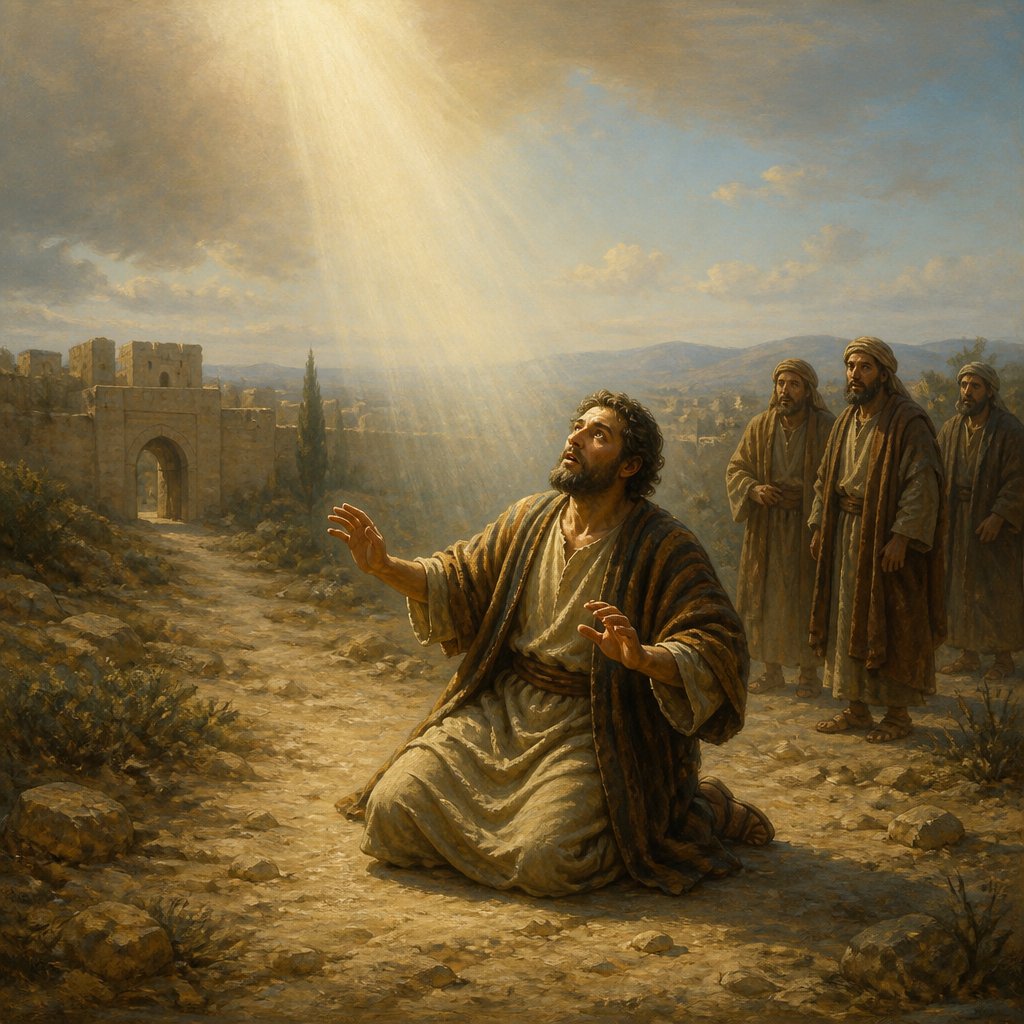
Acts 9:6 in the King James Version (KJV) of the Bible reads: "And he trembling and astonished said, Lord, what wilt thou have me to do? And the Lord said unto him, Arise, and go into the city, and it shall be told thee what thou must do."
This verse comes from the Book of Acts, which tells the story of the early Christian church and the spread of the gospel after the death and resurrection of Jesus Christ. The verse in question recounts the conversion of Saul, who later becomes known as the apostle Paul.
The passage begins with Saul, a devout Jew and fervent persecutor of the early Christian church, traveling on the road to Damascus with the intention of arresting and imprisoning Christians. However, he is suddenly struck by a blinding light from heaven and hears the voice of Jesus asking why he is persecuting Him. Saul is left trembling and astonished by this encounter and asks what the Lord would have him do. The Lord instructs him to go into the city, where he will receive further guidance.
One of the key themes in this verse is the transformative power of God's grace. Before his encounter with Jesus, Saul was a zealous persecutor of Christians, but in an instant, he is transformed into a devoted follower of Christ. This dramatic conversion demonstrates the boundless mercy and forgiveness of God, showing that no one is beyond redemption.
The verse also emphasizes the concept of divine calling and obedience to God's will. When Saul asks what he should do, he is not met with condemnation or punishment, but with a clear directive to go into the city and await further instructions. This demonstrates the importance of submitting to God's plan and being willing to follow His guidance, even when it may seem unfamiliar or daunting.
The imagery of trembling and astonishment underscores the profound nature of Saul's encounter with the divine. This was not just a casual encounter or a change of heart, but a moment of overwhelming awe and transformation. It speaks to the power of encountering the divine and the impact it can have on an individual's life.
The city of Damascus also holds symbolic significance in this verse. Damascus was a notable city in biblical times, known for its strong fortifications and historical significance. It was also a major center of trade and commerce. Instructing Saul to go into the city could represent a call to engage with the world and to spread the message of the gospel in an influential and strategic location.
Overall, Acts 9:6 is a pivotal moment in the story of the early Christian church, marking the conversion of one of its most influential figures. It serves as a powerful reminder of the transformative power of God's grace, the importance of obedience to His will, and the impact of encountering the divine in our lives. The verse continues to inspire and challenge believers to this day, encouraging them to be open to God's call and to trust in His guiding hand.
Have questions about Acts 9:6?
Dive deeper into this scripture with Bible Chat — an AI-powered tool for exploring God's Word through conversation. Ask questions, get context, and grow in your understanding of the Bible.
Get Our Apps


Acts 9:6 Artwork

Acts 9:6 - "And he trembling and astonished said, Lord, what wilt thou have me to do? And the Lord said unto him, Arise, and go into the city, and it shall be told thee what thou must do."
"And he trembling and astonished said, Lord, what wilt thou have me to do? And the Lord said unto him, Arise, and go into the city, and it shall be told thee what thou must do." - Acts 9:6

Acts 6:9 - "¶ Then there arose certain of the synagogue, which is called the synagogue of the Libertines, and Cyrenians, and Alexandrians, and of them of Cilicia and of Asia, disputing with Stephen."

Corinthians 9:6-7 for Christmas card with little kids.

Acts 3:6-7

Acts 3:6-7

Acts 3:6-7

Acts 3:6-7

Acts 3:6-7
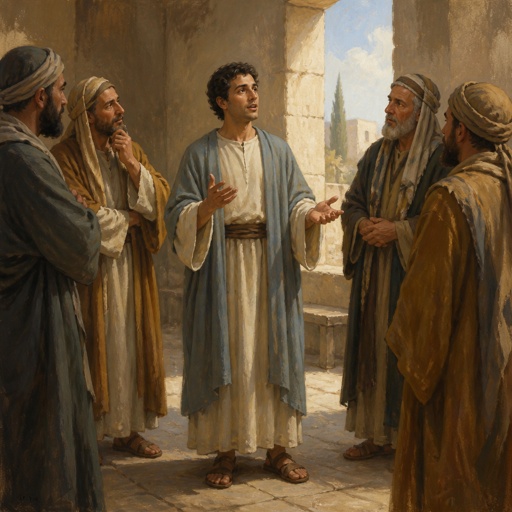
"¶ Then there arose certain of the synagogue, which is called the synagogue of the Libertines, and Cyrenians, and Alexandrians, and of them of Cilicia and of Asia, disputing with Stephen." - Acts 6:9

Acts 9:9 - "And he was three days without sight, and neither did eat nor drink."

Acts 9:1-20

Acts 9:1-20

Acts 6:6 - "Whom they set before the apostles: and when they had prayed, they laid their hands on them."

Acts 21:5-6

Acts 9:28 - "And he was with them coming in and going out at Jerusalem."

Acts 3:9 - "And all the people saw him walking and praising God:"

Acts 24:9 - "And the Jews also assented, saying that these things were so."

Acts 15:6 - "¶ And the apostles and elders came together for to consider of this matter."

Acts 9:42 - "And it was known throughout all Joppa; and many believed in the Lord."

Acts 9:35 - "And all that dwelt at Lydda and Saron saw him, and turned to the Lord."

Acts 6:4 - "But we will give ourselves continually to prayer, and to the ministry of the word."

Acts 15:9 - "And put no difference between us and them, purifying their hearts by faith."

Acts 9:20 - "And straightway he preached Christ in the synagogues, that he is the Son of God."

Acts 7:9 - "And the patriarchs, moved with envy, sold Joseph into Egypt: but God was with him,"

Acts 21:9 - "And the same man had four daughters, virgins, which did prophesy."

Acts 17:9 - "And when they had taken security of Jason, and of the other, they let them go."

Acts 9:25 - "Then the disciples took him by night, and let him down by the wall in a basket."
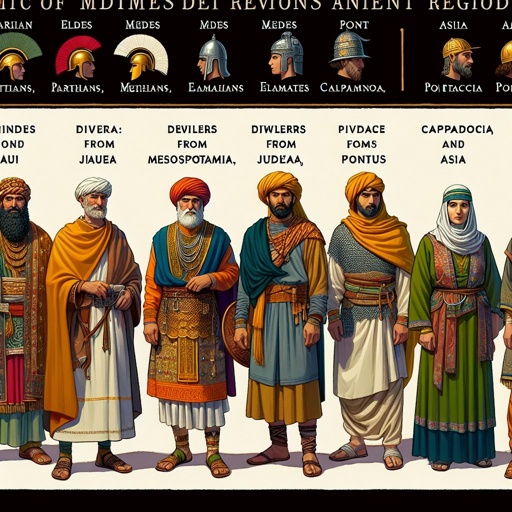
Acts 2:9 - "Parthians, and Medes, and Elamites, and the dwellers in Mesopotamia, and in Judaea, and Cappadocia, in Pontus, and Asia,"

Acts 6:10 - "And they were not able to resist the wisdom and the spirit by which he spake."