What does Deuteronomy 15:1 mean?
“At the end of every seven years thou shalt make a release.” — Deuteronomy 15:1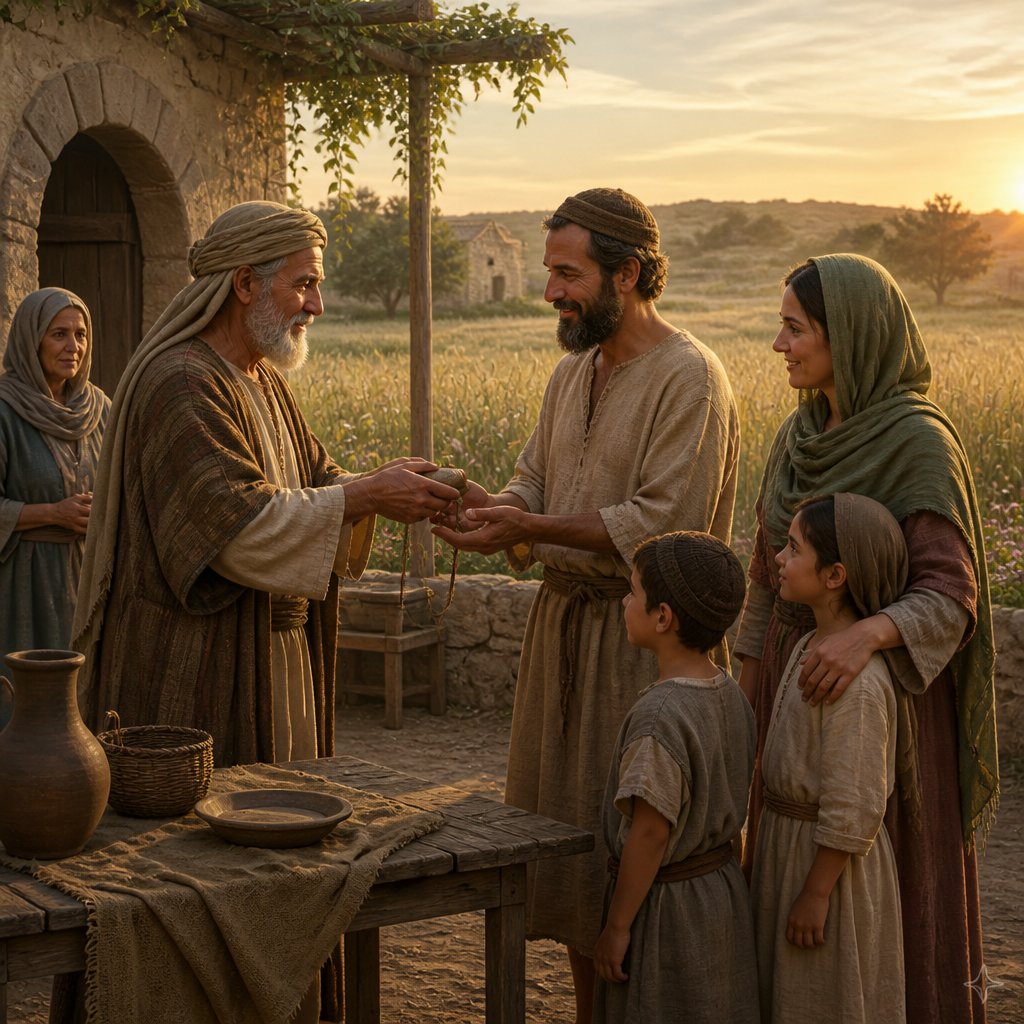
Deuteronomy 15:1 from the King James Version of the Bible states, "At the end of every seven years thou shalt make a release." This verse is part of the Old Testament book of Deuteronomy, which is the fifth book of the Bible and is attributed to Moses. Deuteronomy is primarily a book of laws and regulations given to the Israelites as they prepared to enter the Promised Land.
The theme of release and rest runs throughout Deuteronomy 15, and this verse is the beginning of a section that discusses the laws of the Sabbatical year. The Sabbatical year was to be observed every seven years, during which debts were to be forgiven, slaves were to be released, and the land was to lie fallow. This was a time of rest and renewal, both for the people and the land.
The context of this verse is important for understanding its significance. The Israelites had been enslaved in Egypt for generations and had recently been freed by the mighty hand of God. As they prepared to enter the Promised Land, God gave them laws and regulations to govern their society and ensure that they did not fall into the same patterns of oppression and slavery that they had experienced in Egypt.
The release mentioned in this verse has both practical and symbolic significance. Practically, it served as a mechanism for maintaining social equality and preventing the accumulation of wealth and power by a few individuals. By forgiving debts and releasing slaves every seven years, the Israelites were able to prevent the kind of economic disparity that can lead to social unrest and oppression.
Symbolically, the release at the end of the Sabbatical year was a reminder of God's grace and provision. It echoed the freedom that the Israelites had experienced when they were released from bondage in Egypt, and it served as a practical demonstration of their dependence on God for their well-being. It also foreshadowed the ultimate release and forgiveness that would be made possible through the sacrificial death of Jesus Christ.
The concept of release is also deeply tied to the biblical theme of justice and mercy. Throughout the Bible, we see that God is a God of justice who cares deeply for the oppressed and marginalized. The laws of the Sabbatical year were a practical expression of this concern for justice, ensuring that the most vulnerable members of society were not exploited or enslaved. At the same time, they also reflected God's mercy and love, offering a fresh start and a new beginning to those who had fallen into poverty or debt.
In addition to its social and spiritual significance, the release at the end of every seven years also had implications for the natural world. Allowing the land to lie fallow for a year was a practical way to ensure the health and fertility of the soil. It also served as a reminder that the land ultimately belonged to God, not to human beings, and that they were to use it responsibly and sustainably.
In conclusion, Deuteronomy 15:1 is a verse that carries deep significance within its historical, social, and spiritual context. It speaks to the themes of rest, release, justice, and mercy, and it serves as a practical expression of God's care for his people and for the world he has created. As we reflect on this verse, may we be reminded of the importance of rest, justice, and mercy in our own lives and communities, and may we seek to live in ways that honor God and care for those around us.
Get our apps


Artwork for Deuteronomy 15:1

Deuteronomy 15:1 - "At the end of every seven years thou shalt make a release."
"At the end of every seven years thou shalt make a release." - Deuteronomy 15:1

Deuteronomy 3:15 - "And I gave Gilead unto Machir."

Deuteronomy 14:15 - "And the owl, and the night hawk, and the cuckow, and the hawk after his kind,"

Deuteronomy 33:15 - "And for the chief things of the ancient mountains, and for the precious things of the lasting hills,"

Deuteronomy 15:15 - "And thou shalt remember that thou wast a bondman in the land of Egypt, and the LORD thy God redeemed thee: therefore I command thee this thing to day."
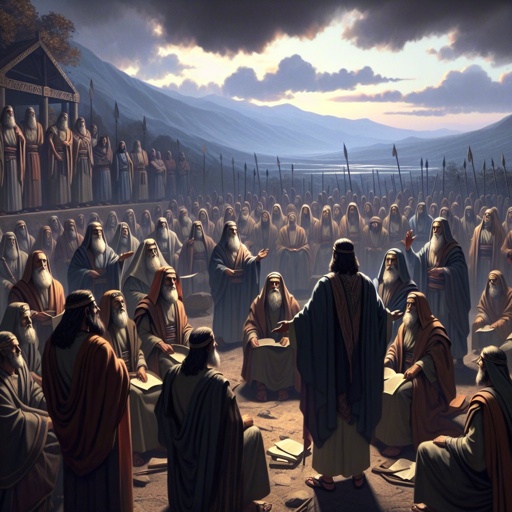
Deuteronomy 1:15 - "So I took the chief of your tribes, wise men, and known, and made them heads over you, captains over thousands, and captains over hundreds, and captains over fifties, and captains over tens, and officers among your tribes."

Deuteronomy 31:15 - "And the LORD appeared in the tabernacle in a pillar of a cloud: and the pillar of the cloud stood over the door of the tabernacle."

Deuteronomy 11:15 - "And I will send grass in thy fields for thy cattle, that thou mayest eat and be full."

Deuteronomy 30:15 - "¶ See, I have set before thee this day life and good, and death and evil;"

Deuteronomy 15:23 - "Only thou shalt not eat the blood thereof; thou shalt pour it upon the ground as water."

"And I gave Gilead unto Machir." - Deuteronomy 3:15

Deuteronomy 15:3 - "Of a foreigner thou mayest exact it again: but that which is thine with thy brother thine hand shall release;"

Deuteronomy 2:15 - "For indeed the hand of the LORD was against them, to destroy them from among the host, until they were consumed."

Deuteronomy 23:15 - "¶ Thou shalt not deliver unto his master the servant which is escaped from his master unto thee:"

Deuteronomy 29:15 - "But with him that standeth here with us this day before the LORD our God, and also with him that is not here with us this day:"

Deuteronomy 15:22 - "Thou shalt eat it within thy gates: the unclean and the clean person shall eat it alike, as the roebuck, and as the hart."

Deuteronomy 15:13 - "And when thou sendest him out free from thee, thou shalt not let him go away empty:"

Deuteronomy 22:15 - "Then shall the father of the damsel, and her mother, take and bring forth the tokens of the damsel's virginity unto the elders of the city in the gate:"

Deuteronomy 20:15 - "Thus shalt thou do unto all the cities which are very far off from thee, which are not of the cities of these nations."

Deuteronomy 15:21 - "And if there be any blemish therein, as if it be lame, or blind, or have any ill blemish, thou shalt not sacrifice it unto the LORD thy God."

Deuteronomy 32:41

Deuteronomy 9:15 - "So I turned and came down from the mount, and the mount burned with fire: and the two tables of the covenant were in my two hands."

Deuteronomy 15:20 - "Thou shalt eat it before the LORD thy God year by year in the place which the LORD shall choose, thou and thy household."

Deuteronomy 32:43

Deuteronomy 15:8 - "But thou shalt open thine hand wide unto him, and shalt surely lend him sufficient for his need, in that which he wanteth."

Deuteronomy 15:5 - "Only if thou carefully hearken unto the voice of the LORD thy God, to observe to do all these commandments which I command thee this day."

"And the owl, and the night hawk, and the cuckow, and the hawk after his kind," - Deuteronomy 14:15

"And for the chief things of the ancient mountains, and for the precious things of the lasting hills," - Deuteronomy 33:15

Deuteronomy 21:15 - "¶ If a man have two wives, one beloved, and another hated, and they have born him children, both the beloved and the hated; and if the firstborn son be hers that was hated:"