What does Deuteronomy 7:18 mean?
“Thou shalt not be afraid of them: but shalt well remember what the LORD thy God did unto Pharaoh, and unto all Egypt;” — Deuteronomy 7:18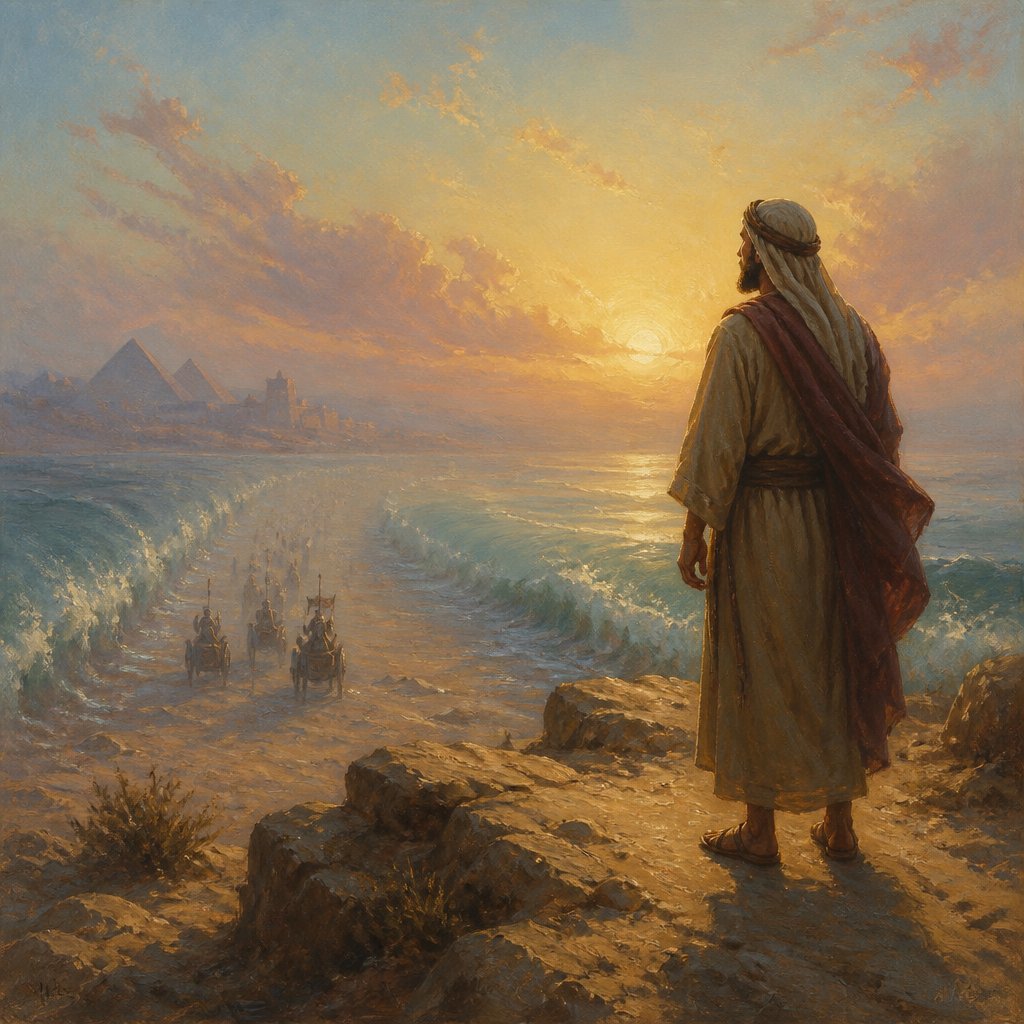
Deuteronomy 7:18 from the King James Version of the Bible reads, "Thou shalt not be afraid of them: but shalt well remember what the Lord thy God did unto Pharaoh, and unto all Egypt." This verse comes from the book of Deuteronomy, which is part of the Pentateuch, also known as the Torah, and is attributed to Moses. It is a book of laws and regulations given to the Israelites as they prepare to enter the Promised Land.
In this verse, the Israelites are being reminded not to fear their enemies, but rather to remember what the Lord had done for them in the past. The reference to Pharaoh and the events of the Exodus is significant, as it serves as a reminder of God's deliverance and his faithfulness to his people.
The context of this verse is important for understanding its meaning. The Israelites had been slaves in Egypt for generations, and had suffered greatly at the hands of Pharaoh and the Egyptians. When God delivered them from bondage and brought them out of Egypt, it was a powerful display of his power and faithfulness. The verse encourages the Israelites to look back on this event and draw strength and courage from it, knowing that the same God who delivered them from Egypt would also help them conquer their enemies in the Promised Land.
One of the key themes of this verse is the faithfulness of God. The Israelites are being reminded of God's past faithfulness and are encouraged to trust in him for the future. This theme is consistent throughout the Bible, as it repeatedly emphasizes God's unwavering commitment to his people. The verse also speaks to the idea of remembrance and the importance of recalling God's past acts of deliverance and provision in times of difficulty and fear.
The symbolism of Pharaoh and Egypt in this verse is significant. Pharaoh and Egypt represent the oppressive forces that sought to keep the Israelites in bondage. By referencing these historical events, the verse serves as a reminder of God's power to overcome even the most daunting of adversaries. The imagery of the Exodus and the plagues brought upon Egypt also serves as a powerful symbol of God's ability to deliver his people from any situation.
The verse also carries a message of encouragement and hope. By reminding the Israelites of God's past acts of deliverance, it instills in them a sense of confidence and strength as they face the challenges of entering and conquering the Promised Land. It serves as a source of comfort and reassurance, knowing that God is with them and will continue to be faithful to his promises.
In conclusion, Deuteronomy 7:18 is a powerful reminder of God's faithfulness and his ability to deliver his people from their enemies. It encourages the Israelites to draw strength from the past and to trust in God for the future. The verse carries important themes of remembrance, faith, and hope, and serves as a source of comfort and encouragement for believers through the ages.
Get our apps


Artwork for Deuteronomy 7:18

Deuteronomy 7:18 - "Thou shalt not be afraid of them: but shalt well remember what the LORD thy God did unto Pharaoh, and unto all Egypt;"

"Thou shalt not be afraid of them: but shalt well remember what the LORD thy God did unto Pharaoh, and unto all Egypt;" - Deuteronomy 7:18

Deuteronomy 18:7 - "Then he shall minister in the name of the LORD his God, as all his brethren the Levites do, which stand there before the LORD."

Deuteronomy 5:18 - "Neither shalt thou commit adultery."

Deuteronomy 18:11 - "Or a charmer, or a consulter with familiar spirits, or a wizard, or a necromancer."

Deuteronomy 18:13 - "Thou shalt be perfect with the LORD thy God."

"Then he shall minister in the name of the LORD his God, as all his brethren the Levites do, which stand there before the LORD." - Deuteronomy 18:7

Deuteronomy 22:18 - "And the elders of that city shall take that man and chastise him;"

Deuteronomy 14:18 - "And the stork, and the heron after her kind, and the lapwing, and the bat."

Deuteronomy 2:18 - "Thou art to pass over through Ar, the coast of Moab, this day:"

Deuteronomy 18:17 - "And the LORD said unto me, They have well spoken that which they have spoken."

Deuteronomy 1:18 - "And I commanded you at that time all the things which ye should do."

Deuteronomy 18:8 - "They shall have like portions to eat, beside that which cometh of the sale of his patrimony."

Deuteronomy 32:18 - "Of the Rock that begat thee thou art unmindful, and hast forgotten God that formed thee."

Deuteronomy 4:18 - "The likeness of any thing that creepeth on the ground, the likeness of any fish that is in the waters beneath the earth:"

Deuteronomy 33:18 - "¶ And of Zebulun he said, Rejoice, Zebulun, in thy going out; and, Issachar, in thy tents."

Deuteronomy 10:18 - "He doth execute the judgment of the fatherless and widow, and loveth the stranger, in giving him food and raiment."

Deuteronomy 27:18 - "Cursed be he that maketh the blind to wander out of the way. And all the people shall say, Amen."

"Neither shalt thou commit adultery." - Deuteronomy 5:18

John 7:17-18

John 7:17-18

Deuteronomy 3:7 - "But all the cattle, and the spoil of the cities, we took for a prey to ourselves."

John 7:17-18

John 7:17-18

Deuteronomy 18:21 - "And if thou say in thine heart, How shall we know the word which the LORD hath not spoken?"

Deuteronomy 5:7 - "Thou shalt have none other gods before me."

Create picture of a Jewish man wearing items in Deuteronomy 11:18

Deuteronomy 18:2 - "Therefore shall they have no inheritance among their brethren: the LORD is their inheritance, as he hath said unto them."

Deuteronomy 28:18 - "Cursed shall be the fruit of thy body, and the fruit of thy land, the increase of thy kine, and the flocks of thy sheep."

"Or a charmer, or a consulter with familiar spirits, or a wizard, or a necromancer." - Deuteronomy 18:11