What does Esther 5:9 mean?
“Then went Haman forth that day joyful and with a glad heart: but when Haman saw Mordecai in the king’s gate, that he stood not up, nor moved for him, he was full of indignation against Mordecai.” — Esther 5:9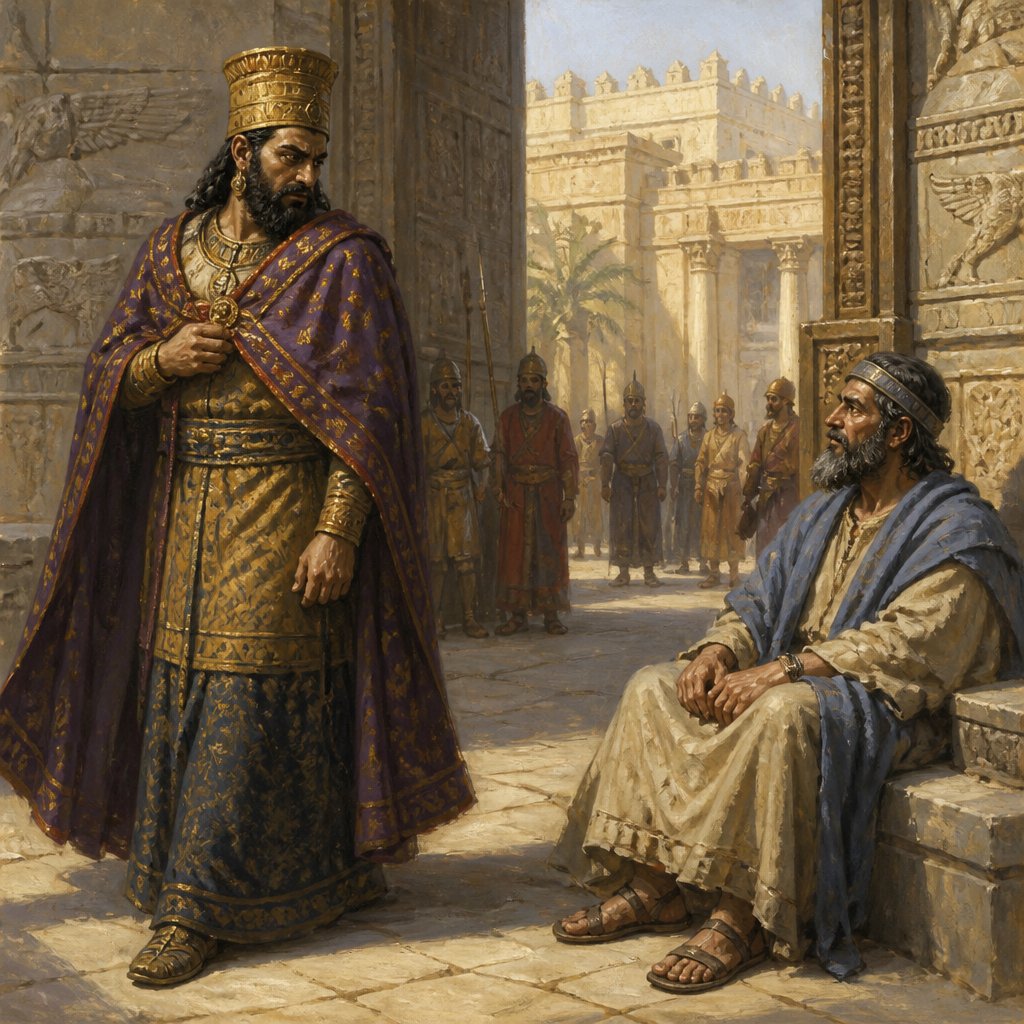
Esther 5:9 in the King James Version reads:
“Then went Haman forth that day joyful and with a glad heart: but when Haman saw Mordecai in the king's gate, that he stood not up, nor moved for him, he was full of indignation against Mordecai.”
The book of Esther is set during the time of the Babylonian captivity, when the Jews were exiled from their homeland and living as minorities in the Persian empire. The story of Esther revolves around the character of Esther, a Jewish woman who becomes queen of Persia, and her cousin Mordecai. The villain in the story is Haman, a high-ranking official in the Persian government who is consumed by his hatred for the Jews, particularly Mordecai.
In Esther 5:9, we see Haman’s reaction to seeing Mordecai, who refuses to show him the respect he feels he deserves. This verse serves to illustrate the growing tension and conflict between Haman and Mordecai, which ultimately leads to the climax of the story.
The theme of pride and arrogance is prominent in this verse. Haman’s over-inflated ego is wounded by Mordecai’s refusal to bow before him. Despite being in a position of great power and influence, Haman is unable to find happiness and contentment because of his pride. This theme serves as a cautionary tale about the destructive nature of pride and the dangers of allowing it to rule our hearts and minds.
Another important theme in this verse is the concept of divine providence. Throughout the book of Esther, we see how God is at work behind the scenes, orchestrating events in order to deliver His people from harm. In this verse, we see how Mordecai’s refusal to bow before Haman ultimately plays a part in the unfolding of God’s plan to thwart Haman’s evil intentions. This serves as a powerful reminder that God is always in control, even when it may seem like evil is prevailing.
The symbol of the “king’s gate” is also significant in this verse. The king’s gate was a place of power and authority, where important matters of state were conducted. By refusing to bow before Haman at the king’s gate, Mordecai is making a bold statement about his allegiance to God above all earthly powers. This symbolizes the unwavering faith and loyalty of God’s people, even in the face of great adversity.
The historical and cultural context of this verse is also important to consider. The tension between the Jews and their Gentile neighbors was a significant aspect of life in the Persian empire. This verse reflects the deep-seated animosity that existed between the two groups, as well as the challenges faced by the Jewish people as they sought to maintain their identity and faith in a foreign land.
In conclusion, Esther 5:9 captures a pivotal moment in the story of Esther, highlighting the pride and arrogance of Haman, the providence of God, and the unwavering faith of Mordecai. This verse serves as a reminder of the timeless truths found in the book of Esther, and the enduring relevance of its themes and symbols. Ultimately, the story of Esther is a testament to the faithfulness of God in preserving and protecting His people, even in the face of seemingly insurmountable odds.
Get our apps


Artwork for Esther 5:9

Esther 5:9 - "¶ Then went Haman forth that day joyful and with a glad heart: but when Haman saw Mordecai in the king's gate, that he stood not up, nor moved for him, he was full of indignation against Mordecai."

Esther 5:9-13 - "Esther 5:9-13: Then Haman went out that day joyful and with a glad heart; but when Haman saw Mordecai in the king’s gate, and that he did not stand or tremble before him, he was filled with indignation against Mordecai. Nevertheless Haman restrained himself and went home, and he sent and called for his friends and his wife Zeresh. Then Haman told them of his great riches, the multitude of his children, everything in which the king had promoted him, and how he had advanced him above the officials and servants of the king. Moreover Haman said, “Besides, Queen Esther invited no one but me to come in with the king to the banquet that she prepared; and tomorrow I am again invited by her, along with the king. Yet all this avails me nothing, so long as I see Mordecai the Jew sitting at the king’s gate.”"
"¶ Then went Haman forth that day joyful and with a glad heart: but when Haman saw Mordecai in the king's gate, that he stood not up, nor moved for him, he was full of indignation against Mordecai." - Esther 5:9
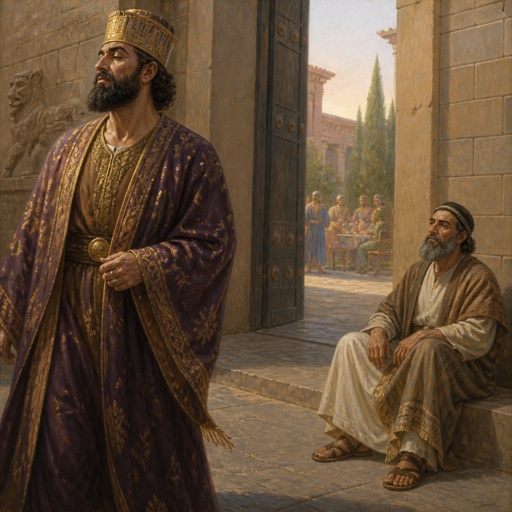
"Esther 5:9-13: Then Haman went out that day joyful and with a glad heart; but when Haman saw Mordecai in the king’s gate, and that he did not stand or tremble before him, he was filled with indignation against Mordecai. Nevertheless Haman restrained himself and went home, and he sent and called for his friends and his wife Zeresh. Then Haman told them of his great riches, the multitude of his children, everything in which the king had promoted him, and how he had advanced him above the officials and servants of the king. Moreover Haman said, “Besides, Queen Esther invited no one but me to come in with the king to the banquet that she prepared; and tomorrow I am again invited by her, along with the king. Yet all this avails me nothing, so long as I see Mordecai the Jew sitting at the king’s gate.”" - Esther 5:9-13

Esther 9:5 - "Thus the Jews smote all their enemies with the stroke of the sword, and slaughter, and destruction, and did what they would unto those that hated them."

Esther 5:5 - "Then the king said, Cause Haman to make haste, that he may do as Esther hath said. So the king and Haman came to the banquet that Esther had prepared."

Esther 4:9 - "And Hatach came and told Esther the words of Mordecai."

Esther 9:32 - "And the decree of Esther confirmed these matters of Purim; and it was written in the book."

Esther 5:7 - "Then answered Esther, and said, My petition and my request is;"

Esther 9:9 - "And Parmashta, and Arisai, and Aridai, and Vajezatha,"

Esther 5:2

Esther 5:2 - "And it was so, when the king saw Esther the queen standing in the court, that she obtained favour in his sight: and the king held out to Esther the golden sceptre that was in his hand. So Esther drew near, and touched the top of the sceptre."

Esther 9:29 - "Then Esther the queen, the daughter of Abihail, and Mordecai the Jew, wrote with all authority, to confirm this second letter of Purim."

Esther 5:2

Esther 5:2

"And Hatach came and told Esther the words of Mordecai." - Esther 4:9

Esther 9:8 - "And Poratha, and Adalia, and Aridatha,"

Esther 9:7 - "And Parshandatha, and Dalphon, and Aspatha,"

"And the decree of Esther confirmed these matters of Purim; and it was written in the book." - Esther 9:32
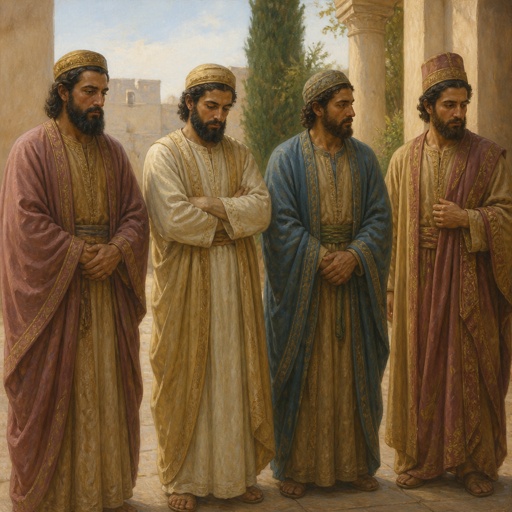
"And Parmashta, and Arisai, and Aridai, and Vajezatha," - Esther 9:9

Esther 5:4 - "And Esther answered, If it seem good unto the king, let the king and Haman come this day unto the banquet that I have prepared for him."
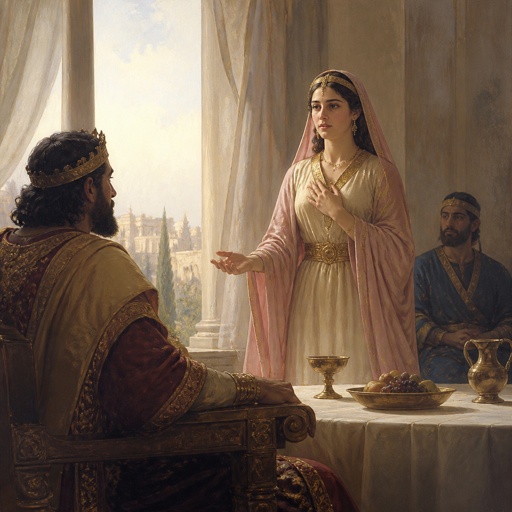
"Then answered Esther, and said, My petition and my request is;" - Esther 5:7

Esther 5:3 - "Then said the king unto her, What wilt thou, queen Esther? and what is thy request? it shall be even given thee to the half of the kingdom."

Esther 7:5 - "¶ Then the king Ahasuerus answered and said unto Esther the queen, Who is he, and where is he, that durst presume in his heart to do so?"

Esther 5:2 - "And it was so, when the king saw Esther the queen standing in the court, that she obtained favour in his sight: and the king held out to Esther the golden sceptre that was in his hand. So Esther drew near, and touched the top of the sceptre."
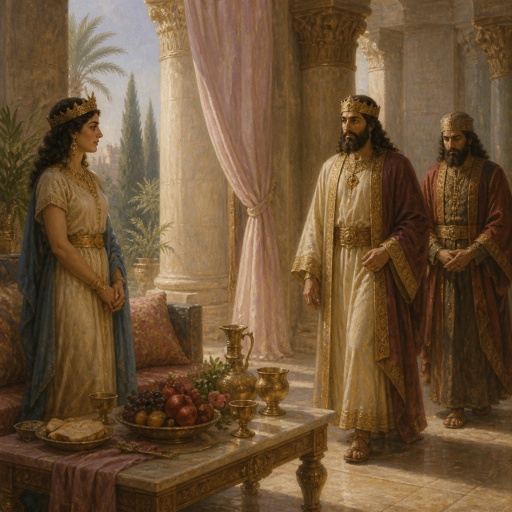
"Then the king said, Cause Haman to make haste, that he may do as Esther hath said. So the king and Haman came to the banquet that Esther had prepared." - Esther 5:5

Esther 4:5 - "Then called Esther for Hatach, one of the king's chamberlains, whom he had appointed to attend upon her, and gave him a commandment to Mordecai, to know what it was, and why it was."

Esther 9:31 - "To confirm these days of Purim in their times appointed, according as Mordecai the Jew and Esther the queen had enjoined them, and as they had decreed for themselves and for their seed, the matters of the fastings and their cry."

Esther 9:13 - "Then said Esther, If it please the king, let it be granted to the Jews which are in Shushan to do to morrow also according unto this day's decree, and let Haman's ten sons be hanged upon the gallows."

Esther 5:6 - "¶ And the king said unto Esther at the banquet of wine, What is thy petition? and it shall be granted thee: and what is thy request? even to the half of the kingdom it shall be performed."