What does Esther 6:10 mean?
“Then the king said to Haman, Make haste, and take the apparel and the horse, as thou hast said, and do even so to Mordecai the Jew, that sitteth at the king’s gate: let nothing fail of all that thou hast spoken.” — Esther 6:10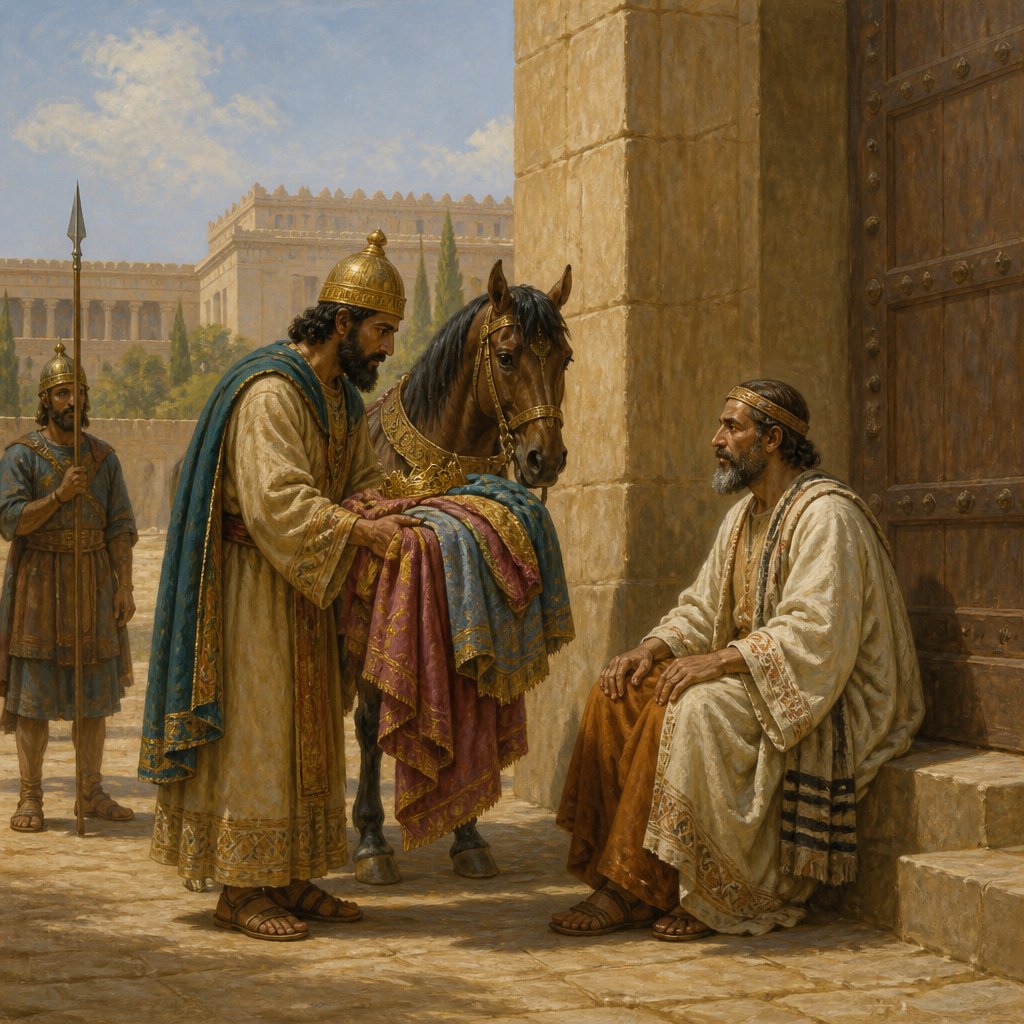
The Book of Esther in the Bible is one of the most compelling and dramatic stories in the Old Testament. It tells the story of a Jewish orphan named Esther who becomes the queen of Persia and uses her position to save her people from genocide. The verse Esther 6:10 from the King James Version reads: "Then the king said to Haman, Make haste, and take the apparel and the horse, as thou hast said, and do even so to Mordecai the Jew, that sitteth at the king's gate: let nothing fail of all that thou hast spoken."
In this particular verse, we see the dramatic irony of the situation. Haman, who has been plotting to have Mordecai, a Jewish man who refused to bow down to him, killed, is now being ordered by the king to honor Mordecai and parade him through the streets in a show of respect. This verse sets the stage for the dramatic downfall of Haman and the eventual salvation of the Jewish people.
The themes present in this verse are numerous and profound. One of the key themes is the providence of God. Throughout the story of Esther, we see God's hand at work, orchestrating events and using ordinary individuals to accomplish His divine purposes. In this verse, we see how God turns the tables on Haman and uses the king to bring about justice for Mordecai and his people. This serves as a powerful reminder that God is always in control, even in the midst of seemingly hopeless situations.
Another theme present in this verse is the concept of divine justice. Haman, who had been pridefully seeking to bring about the destruction of Mordecai and the Jewish people, is now forced to publicly honor the very man he sought to destroy. This serves as a powerful example of how the tables can quickly turn, and those who seek to do evil will ultimately be held accountable for their actions. It also serves as a reminder that God's justice is perfect and will ultimately prevail, even in the face of seemingly insurmountable odds.
Additionally, this verse highlights the importance of humility and honor. Mordecai, despite being a humble man of low status, is ultimately exalted and honored by the king. This serves as a powerful example of how God often chooses the lowly and the humble to accomplish His purposes. It also serves as a reminder to show honor and respect to those around us, regardless of their social status or background.
Symbolism is also present in this verse, particularly in the imagery of the horse and the apparel. The king's command for Haman to take the apparel and the horse and bestow them upon Mordecai symbolizes a transfer of power and authority. The horse, in ancient times, was a symbol of strength and authority, while the apparel represented honor and status. By commanding Haman to bestow these upon Mordecai, the king is effectively transferring authority and honor from Haman to Mordecai, symbolizing the shift in power that is about to take place.
In conclusion, Esther 6:10 is a powerful and pivotal verse in the story of Esther, showcasing the themes of divine providence, justice, humility, and honor. It serves as a reminder of God's sovereignty and the ultimate triumph of His justice. It also highlights the symbolism of the transfer of power and authority. Overall, this verse is a testament to the profound and timeless truths found in the biblical narrative of Esther.
Get our apps


Artwork for Esther 6:10

Esther 6:10 - "Then the king said to Haman, Make haste, and take the apparel and the horse, as thou hast said, and do even so to Mordecai the Jew, that sitteth at the king's gate: let nothing fail of all that thou hast spoken."

Est 6:10-11 ESV (10) Then the king said to Haman, “Hurry; take the robes and the horse, as you have said, and do so to Mordecai the Jew, who sits at the king's gate. Leave out nothing that you have mentioned.” (11) So Haman took the robes and the horse, and he dressed Mordecai and led him through the square of the city, proclaiming before him, “Thus shall it be done to the man whom the king delights to honor.”
"Then the king said to Haman, Make haste, and take the apparel and the horse, as thou hast said, and do even so to Mordecai the Jew, that sitteth at the king's gate: let nothing fail of all that thou hast spoken." - Esther 6:10

Esther 4:10 - "¶ Again Esther spake unto Hatach, and gave him commandment unto Mordecai;"

Esther 7:6 - "And Esther said, The adversary and enemy is this wicked Haman. Then Haman was afraid before the king and the queen."

Esther 1:6

Esther 2:10 - "Esther had not shewed her people nor her kindred: for Mordecai had charged her that she should not shew it."

Esther 6:14 - "And while they were yet talking with him, came the king's chamberlains, and hasted to bring Haman unto the banquet that Esther had prepared."
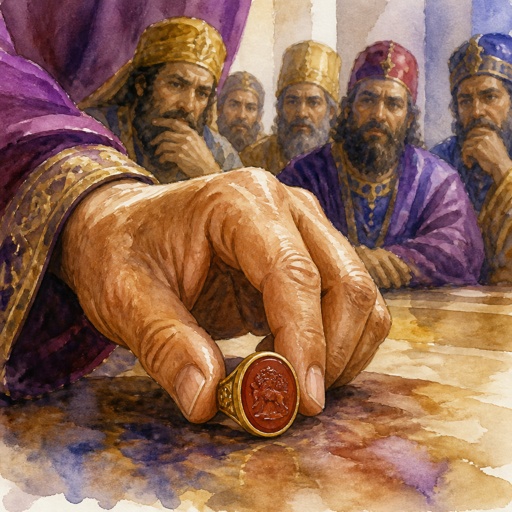
Esther 3:10 focus on ring

Esther 5:6 - "¶ And the king said unto Esther at the banquet of wine, What is thy petition? and it shall be granted thee: and what is thy request? even to the half of the kingdom it shall be performed."
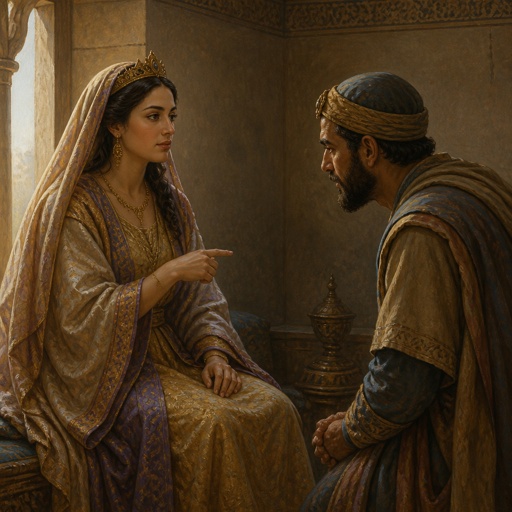
"¶ Again Esther spake unto Hatach, and gave him commandment unto Mordecai;" - Esther 4:10

Esther 10:1 - "And the king Ahasuerus laid a tribute upon the land, and upon the isles of the sea."

Esther 6:7 - "And Haman answered the king, For the man whom the king delighteth to honour,"

Esther 9:6 - "And in Shushan the palace the Jews slew and destroyed five hundred men."

"And Esther said, The adversary and enemy is this wicked Haman. Then Haman was afraid before the king and the queen." - Esther 7:6

Esther 9:10 - "The ten sons of Haman the son of Hammedatha, the enemy of the Jews, slew they; but on the spoil laid they not their hand."

Esther 7:10 - "So they hanged Haman on the gallows that he had prepared for Mordecai. Then was the king's wrath pacified."

Esther 4:6 - "So Hatach went forth to Mordecai unto the street of the city, which was before the king's gate."

Esther 6:1 - "On that night could not the king sleep, and he commanded to bring the book of records of the chronicles; and they were read before the king."

Esther 6:5 - "And the king's servants said unto him, Behold, Haman standeth in the court. And the king said, Let him come in."

Esther 6:12 - "¶ And Mordecai came again to the king's gate. But Haman hasted to his house mourning, and having his head covered."
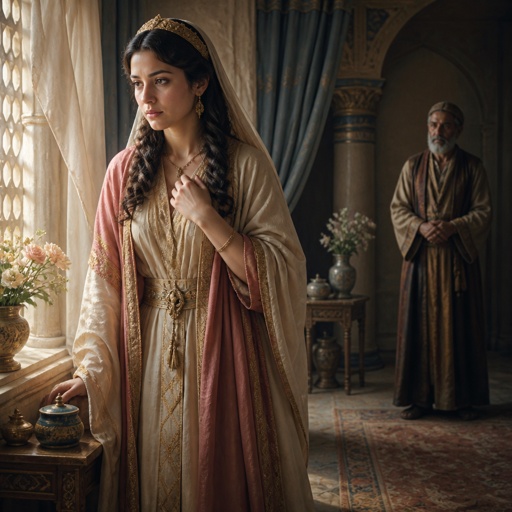
"Esther had not shewed her people nor her kindred: for Mordecai had charged her that she should not shew it." - Esther 2:10

"And while they were yet talking with him, came the king's chamberlains, and hasted to bring Haman unto the banquet that Esther had prepared." - Esther 6:14

Esther 5:10 - "Nevertheless Haman refrained himself: and when he came home, he sent and called for his friends, and Zeresh his wife."

Esther 3:10 - "And the king took his ring from his hand, and gave it unto Haman the son of Hammedatha the Agagite, the Jews' enemy."

Esther 8:10 - "And he wrote in the king Ahasuerus' name, and sealed it with the king's ring, and sent letters by posts on horseback, and riders on mules, camels, and young dromedaries:"

"And Haman answered the king, For the man whom the king delighteth to honour," - Esther 6:7

Esther 10:2 - "And all the acts of his power and of his might, and the declaration of the greatness of Mordecai, whereunto the king advanced him, are they not written in the book of the chronicles of the kings of Media and Persia?"

"And in Shushan the palace the Jews slew and destroyed five hundred men." - Esther 9:6

Esther 8:6 - "For how can I endure to see the evil that shall come unto my people? or how can I endure to see the destruction of my kindred?"