What does Esther 9:14 mean?
“And the king commanded it so to be done: and the decree was given at Shushan; and they hanged Haman’s ten sons.” — Esther 9:14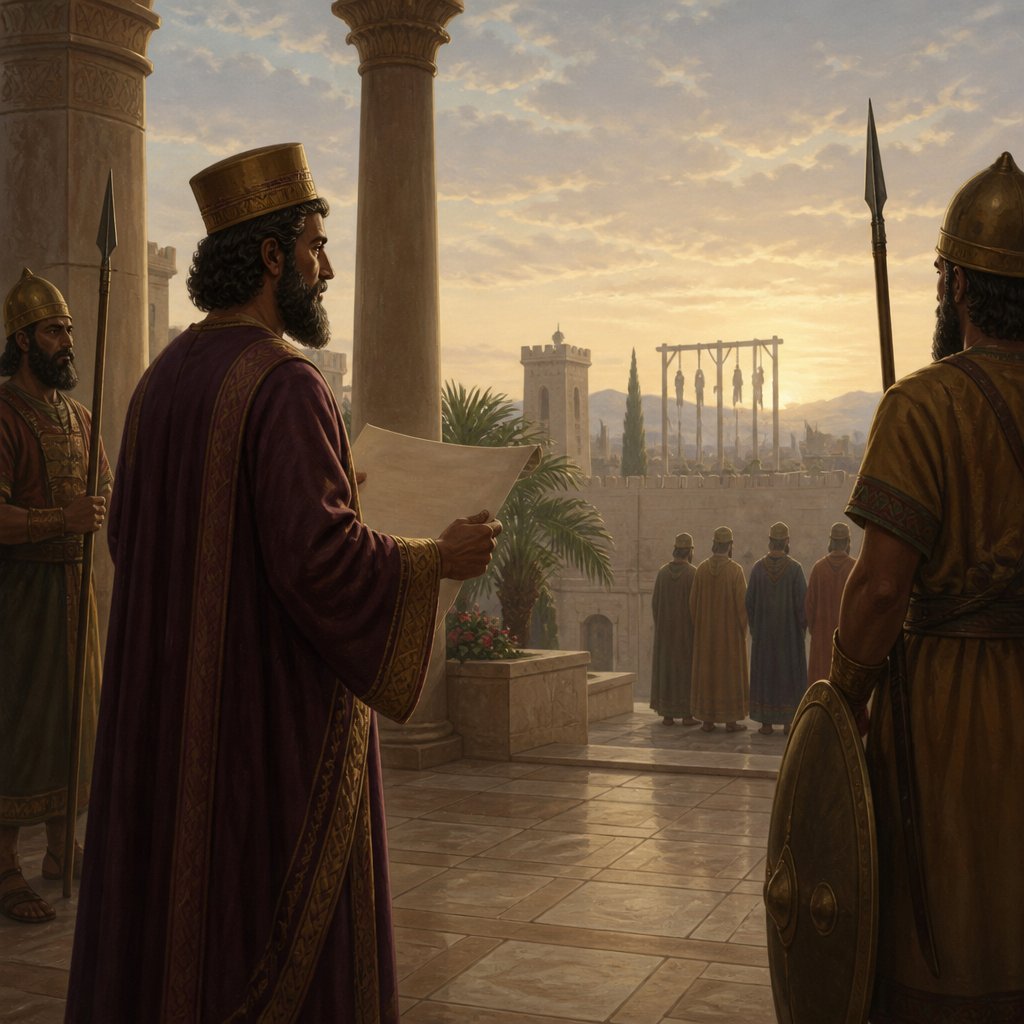
Esther 9:14 in the King James Version says, "And the king commanded it so to be done: and the decree was given at Shushan; and they hanged Haman's ten sons." This verse is part of the story of Esther, a book in the Old Testament of the Bible. The book of Esther is a historical narrative that takes place during the time of the Persian Empire. It tells the story of a Jewish orphan named Esther who becomes Queen and uses her position to save the Jewish people from a plot to exterminate them.
The verse itself is part of the aftermath of a series of events that unfolded in the book of Esther. Haman, an official in the Persian government, had plotted to have all the Jews in the empire killed. However, his plot was foiled by Esther and her cousin Mordecai, and instead, Haman and his ten sons were executed for their crimes. This verse specifically speaks to the justice that was served as a result of their actions.
One of the major themes of the book of Esther is the providence and faithfulness of God. Throughout the story, God works behind the scenes to protect and deliver His people, even when they are in dire circumstances. The book of Esther is unique in that it never explicitly mentions the name of God, but His presence and sovereignty are clearly seen in the events that unfold. This verse is a powerful reminder of God's justice and faithfulness to His people. Despite the great danger they faced, God ultimately intervened and delivered them from their enemies.
Another prominent theme in the book of Esther is the idea of divine reversal. The plot to destroy the Jewish people is turned around, and instead, their enemies are the ones who face destruction. This verse is a powerful example of this theme, as Haman's plot to have the Jews killed ultimately leads to his own demise and the execution of his sons. This theme of divine reversal is a reminder that God is able to bring about justice and deliverance in unexpected and surprising ways.
The context of this verse is also important to consider. The Persian Empire was a vast and powerful multicultural empire, and the Jewish people were a minority within it. The events of the book of Esther take place in this context of political power struggles, palace intrigue, and ethnic tension. This verse is a reminder of the struggles and dangers that the Jewish people faced in this context, and the ultimate deliverance that they experienced through the providence of God.
The symbolism in this verse is also significant. The hanging of Haman's ten sons represents the complete and final judgment of their crimes. In biblical symbolism, the number ten often represents completeness or fullness. The fact that all ten of Haman's sons were executed symbolizes the completeness of God's judgment on their actions. It also serves as a warning to those who would seek to harm God's people, showing that ultimately, they will face the consequences of their actions.
In conclusion, Esther 9:14 is a powerful verse that speaks to the justice, faithfulness, and sovereignty of God. It is a reminder that God is able to bring about deliverance and justice for His people, even in the face of great danger and opposition. The verse also demonstrates the theme of divine reversal, as the plot to destroy the Jews is turned around and their enemies face destruction instead. The context of the verse within the larger story of Esther, as well as the symbolism it contains, all contribute to its rich and meaningful message. Through this verse, we are reminded of the hope and assurance that we have in God, no matter what challenges we may face.
Get our apps


Artwork for Esther 9:14

Esther 9:14 - "And the king commanded it so to be done: and the decree was given at Shushan; and they hanged Haman's ten sons."
"And the king commanded it so to be done: and the decree was given at Shushan; and they hanged Haman's ten sons." - Esther 9:14

Esther 4:9 - "And Hatach came and told Esther the words of Mordecai."

Esther 9:32 - "And the decree of Esther confirmed these matters of Purim; and it was written in the book."

Esther 9:9 - "And Parmashta, and Arisai, and Aridai, and Vajezatha,"

Esther 9:29 - "Then Esther the queen, the daughter of Abihail, and Mordecai the Jew, wrote with all authority, to confirm this second letter of Purim."

Esther 6:14 - "And while they were yet talking with him, came the king's chamberlains, and hasted to bring Haman unto the banquet that Esther had prepared."

"And Hatach came and told Esther the words of Mordecai." - Esther 4:9

Esther 9:8 - "And Poratha, and Adalia, and Aridatha,"

Esther 9:7 - "And Parshandatha, and Dalphon, and Aspatha,"

"And the decree of Esther confirmed these matters of Purim; and it was written in the book." - Esther 9:32
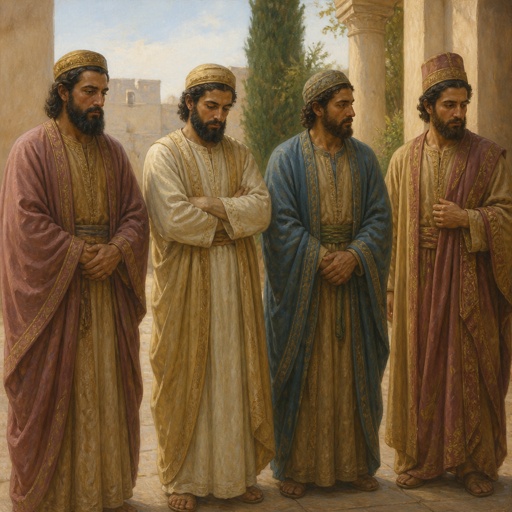
"And Parmashta, and Arisai, and Aridai, and Vajezatha," - Esther 9:9

Esther 9:31 - "To confirm these days of Purim in their times appointed, according as Mordecai the Jew and Esther the queen had enjoined them, and as they had decreed for themselves and for their seed, the matters of the fastings and their cry."

Esther 9:13 - "Then said Esther, If it please the king, let it be granted to the Jews which are in Shushan to do to morrow also according unto this day's decree, and let Haman's ten sons be hanged upon the gallows."
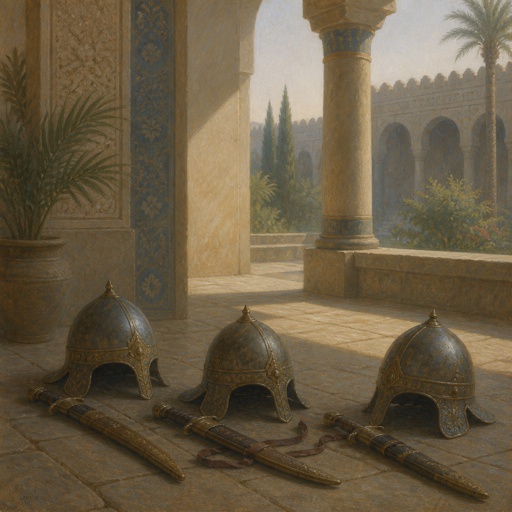
"And Parshandatha, and Dalphon, and Aspatha," - Esther 9:7
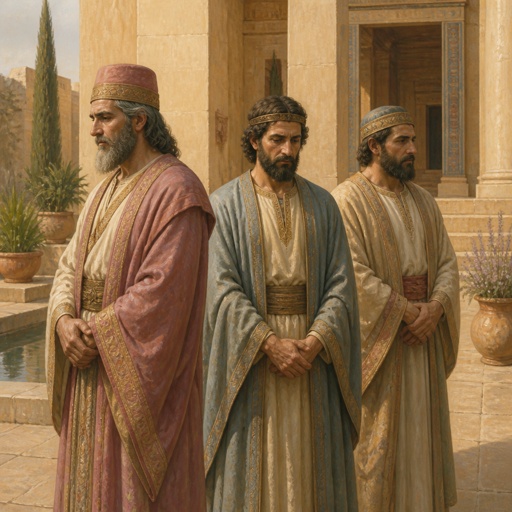
"And Poratha, and Adalia, and Aridatha," - Esther 9:8

Esther 9:6 - "And in Shushan the palace the Jews slew and destroyed five hundred men."

Esther 9:25 - "But when Esther came before the king, he commanded by letters that his wicked device, which he devised against the Jews, should return upon his own head, and that he and his sons should be hanged on the gallows."

Esther 9:10 - "The ten sons of Haman the son of Hammedatha, the enemy of the Jews, slew they; but on the spoil laid they not their hand."

Esther 9:11 - "On that day the number of those that were slain in Shushan the palace was brought before the king."

Esther 9:23 - "And the Jews undertook to do as they had begun, and as Mordecai had written unto them;"
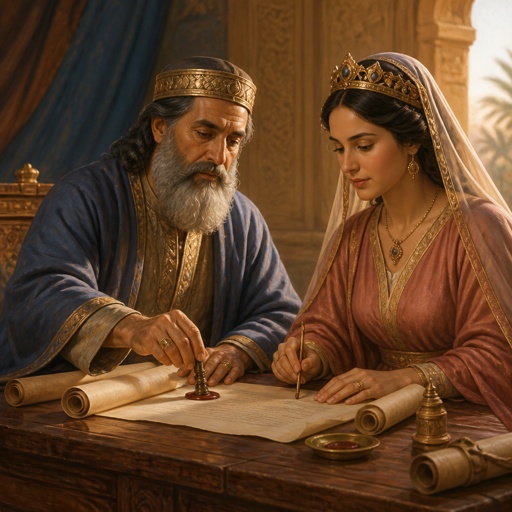
"Then Esther the queen, the daughter of Abihail, and Mordecai the Jew, wrote with all authority, to confirm this second letter of Purim." - Esther 9:29

Esther 9:17 - "On the thirteenth day of the month Adar; and on the fourteenth day of the same rested they, and made it a day of feasting and gladness."

Esther 1:9 - "Also Vashti the queen made a feast for the women in the royal house which belonged to king Ahasuerus."

Esther 3:14 - "The copy of the writing for a commandment to be given in every province was published unto all people, that they should be ready against that day."

Esther 9:21 - "To stablish this among them, that they should keep the fourteenth day of the month Adar, and the fifteenth day of the same, yearly,"

"And while they were yet talking with him, came the king's chamberlains, and hasted to bring Haman unto the banquet that Esther had prepared." - Esther 6:14

Esther 9:3 - "And all the rulers of the provinces, and the lieutenants, and the deputies, and officers of the king, helped the Jews; because the fear of Mordecai fell upon them."

Esther 9:30 - "And he sent the letters unto all the Jews, to the hundred twenty and seven provinces of the kingdom of Ahasuerus, with words of peace and truth,"

Esther 9:12 - "¶ And the king said unto Esther the queen, The Jews have slain and destroyed five hundred men in Shushan the palace, and the ten sons of Haman; what have they done in the rest of the king's provinces? now what is thy petition? and it shall be granted thee: or what is thy request further? and it shall be done."