What does Exodus 16:2 mean?
“And the whole congregation of the children of Israel murmured against Moses and Aaron in the wilderness:” — Exodus 16:2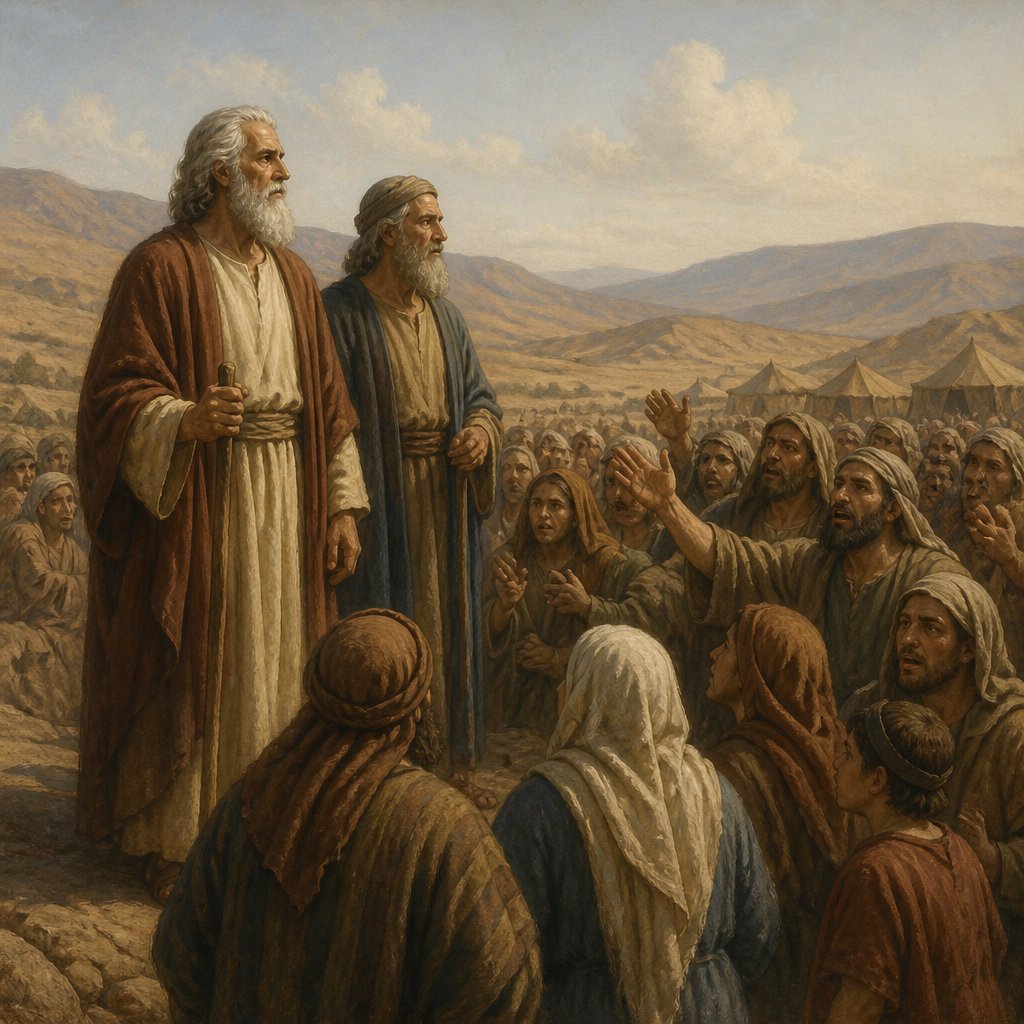
Exodus 16:2 in the King James Version of the Bible reads, "And the whole congregation of the children of Israel murmured against Moses and Aaron in the wilderness." This verse is part of the larger narrative of the Israelites journeying through the wilderness after their escape from slavery in Egypt.
The context of this verse is important for understanding its significance. The Israelites had just crossed the Red Sea, and they were now in the wilderness on their way to the Promised Land. However, they quickly found themselves facing the hardships of the wilderness, including a lack of food and water. This verse captures the moment when the people of Israel began to grumble and complain against their leaders, Moses and Aaron. They were frustrated and fearful, and their complaints were directed at those who had led them out of Egypt and into the wilderness.
One of the key themes in this verse is the concept of faith and trust in God's provision. The Israelites had witnessed countless miracles and displays of God's power, yet they were quick to forget and doubt when faced with hardship. Their murmuring against Moses and Aaron reveals their lack of faith in God's ability to care for them in the wilderness. This theme of faith and trust in God's provision is a recurring theme throughout the Bible, and it serves as a reminder for believers to remain steadfast in their trust in God, even in the midst of difficult circumstances.
Another theme in this verse is that of leadership and authority. The Israelites' grumbling against Moses and Aaron represents a challenge to their leadership and authority. This theme of leadership and authority is significant in the larger narrative of the Exodus, as God had appointed Moses and Aaron to lead the Israelites out of Egypt and into the Promised Land. The people's dissatisfaction with their leaders reflects a lack of respect for the authority that God had established, and it serves as a warning against rebellion and disobedience.
Symbolism also plays a significant role in this verse. The wilderness is often used symbolically in the Bible to represent a place of testing and refinement. The Israelites' journey through the wilderness served as a testing ground for their faith and obedience to God. The murmuring of the people symbolizes a lack of faith and gratitude, and it serves as a warning against the dangers of spiritual complacency and discontentment.
In addition, the wilderness can also serve as a metaphor for the spiritual journey of believers. Just as the Israelites faced trials and challenges in the wilderness, Christians also encounter difficulties and struggles in their spiritual walk. The response of the Israelites to their hardships serves as a cautionary tale for believers, reminding them to maintain their faith and trust in God, even in the midst of adversity.
In conclusion, Exodus 16:2 captures a pivotal moment in the narrative of the Israelites' journey through the wilderness. The verse highlights themes of faith and trust in God's provision, leadership and authority, as well as the symbolism of the wilderness as a place of testing and refinement. The verse serves as a reminder for believers to remain steadfast in their faith and trust in God, even in the midst of difficult circumstances, and to respect the authority that God has established.
Get our apps


Artwork for Exodus 16:2

Exodus 16:2 - "And the whole congregation of the children of Israel murmured against Moses and Aaron in the wilderness:"
"And the whole congregation of the children of Israel murmured against Moses and Aaron in the wilderness:" - Exodus 16:2

Exodus 2:16 - "Now the priest of Midian had seven daughters: and they came and drew water, and filled the troughs to water their father's flock."

Exodus 24:16

Exodus 25:16

Exodus 25:16

Exodus 25:16

Exodus 19:16-20

Exodus 16:11 - "¶ And the LORD spake unto Moses, saying,"

Exodus 16:30 - "So the people rested on the seventh day."

Exodus 16:36 - "Now an omer is the tenth part of an ephah."

In Exodus 16, create the image of manna

Exodus 16:19 - "And Moses said, Let no man leave of it till the morning."

The Plague of Gnats - Exodus 8:16-19

Exodus 20:16 - "Thou shalt not bear false witness against thy neighbour."

Exodus 36:16 - "And he coupled five curtains by themselves, and six curtains by themselves."
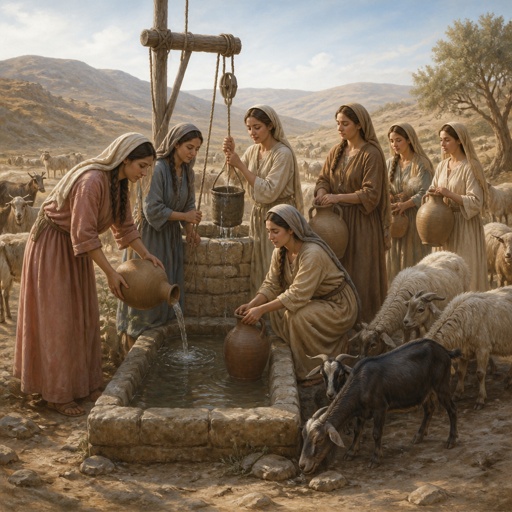
"Now the priest of Midian had seven daughters: and they came and drew water, and filled the troughs to water their father's flock." - Exodus 2:16

Exodus 16:17 - "And the children of Israel did so, and gathered, some more, some less."

Exodus 38:16 - "All the hangings of the court round about were of fine twined linen."

Exodus 25:16 - "And thou shalt put into the ark the testimony which I shall give thee."

Exodus 32:16 - "And the tables were the work of God, and the writing was the writing of God, graven upon the tables."

Exodus 16:34 - "As the LORD commanded Moses, so Aaron laid it up before the Testimony, to be kept."

Exodus 40:16 - "Thus did Moses: according to all that the LORD commanded him, so did he."

Exodus 16:26 - "Six days ye shall gather it; but on the seventh day, which is the sabbath, in it there shall be none."

Exodus 16:27 - "¶ And it came to pass, that there went out some of the people on the seventh day for to gather, and they found none."

Exodus 26:16 - "Ten cubits shall be the length of a board, and a cubit and a half shall be the breadth of one board."
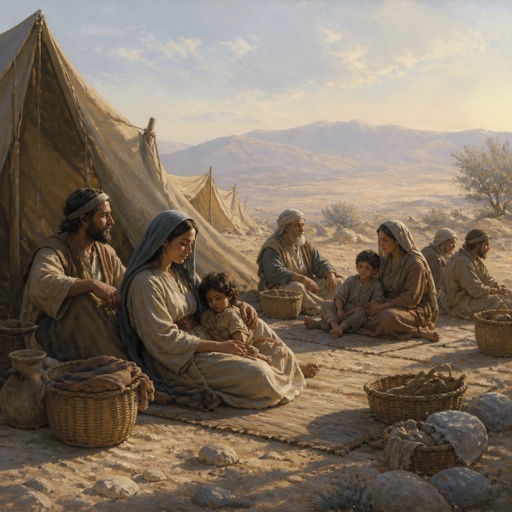
"So the people rested on the seventh day." - Exodus 16:30

Exodus 31:16 - "Wherefore the children of Israel shall keep the sabbath, to observe the sabbath throughout their generations, for a perpetual covenant."

Exodus 28:16 - "Foursquare it shall be being doubled; a span shall be the length thereof, and a span shall be the breadth thereof."

Exodus 16:24 - "And they laid it up till the morning, as Moses bade: and it did not stink, neither was there any worm therein."