What does Exodus 20:8-10 mean?
“Remember the sabbath day, to keep it holy. Six days shalt thou labour, and do all thy work: But the seventh day is the sabbath of the LORD thy God: in it thou shalt not do any work, thou, nor thy son, nor thy daughter, thy manservant, nor thy maidservant, nor thy cattle, nor thy stranger that is within thy gates:” — Exodus 20:8-10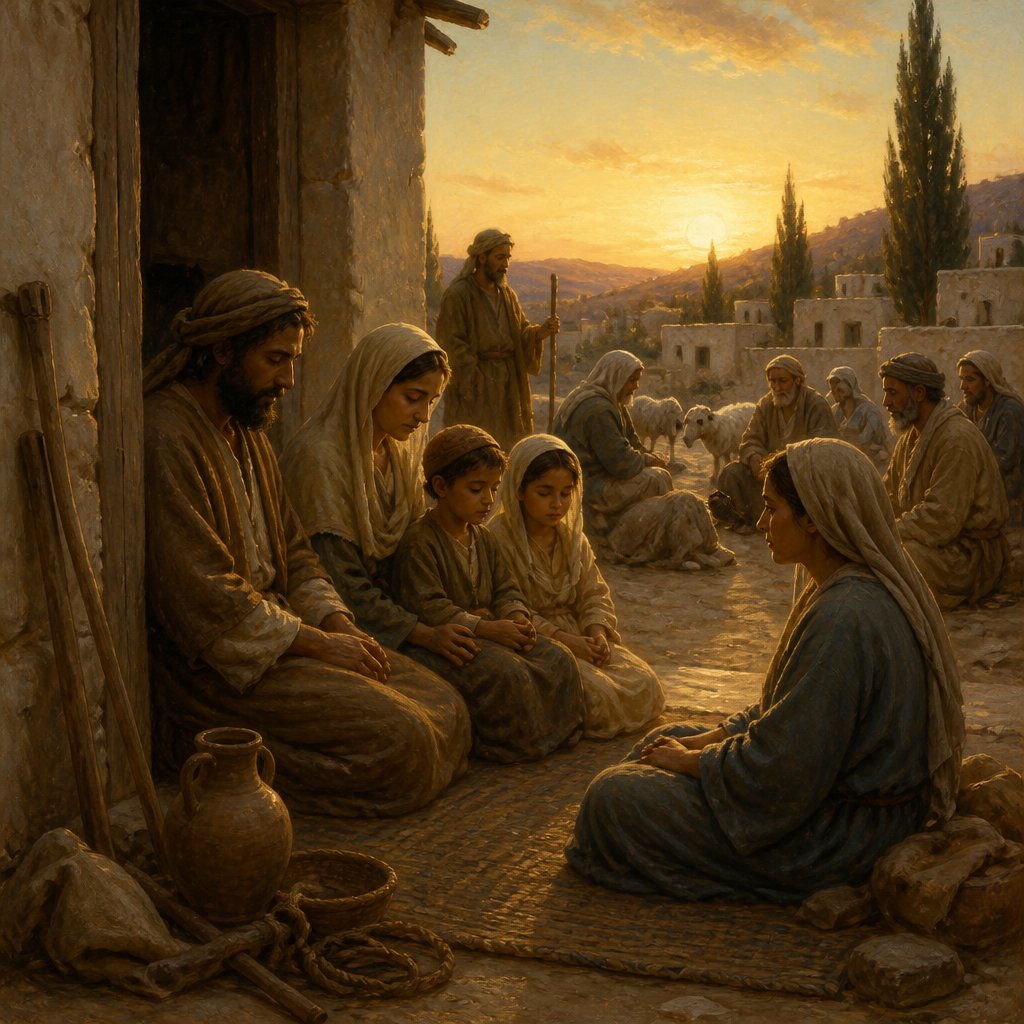
Exodus 20:8-10 in the King James Version of the Bible states, "Remember the sabbath day, to keep it holy. Six days shalt thou labour, and do all thy work: But the seventh day is the sabbath of the Lord thy God: in it thou shalt not do any work, thou, nor thy son, nor thy daughter, thy manservant, nor thy maidservant, nor thy cattle, nor thy stranger that is within thy gates." This passage is part of the Ten Commandments, which are foundational to the moral and ethical teachings of Christianity and Judaism. The commandment to remember the Sabbath and keep it holy is specifically significant in shaping the religious practices and traditions of these faiths.
The theme of the Sabbath is central to Jewish and Christian traditions, and this commandment serves as a reminder of the importance of rest and devotion to God. The Sabbath is a weekly day of rest and worship, set aside as a time for spiritual reflection, renewal, and connection with God. This commandment emphasizes the necessity of taking a break from one's ordinary work and focusing on spiritual and communal activities. It promotes the idea that rest and reflection are crucial aspects of leading a balanced and fulfilling life.
The context of this passage is the establishment of the covenant between God and the Israelites at Mount Sinai. The Israelites had recently been liberated from slavery in Egypt, and God was establishing a new way of life for them. The Sabbath commandment was significant because it not only provided a practical weekly break from labor for the community, but it also served as a way to strengthen their relationship with God. By setting aside one day a week as a time of rest and worship, the Israelites were acknowledging God's authority and their dependence on Him. It also reflected God's own rest after creating the world in six days, setting a pattern for human life to follow.
In addition to its historical and religious significance, this passage serves as a symbol of the broader moral and ethical teachings found in the Bible. It emphasizes the importance of honoring God and cultivating a spiritual life. It also promotes the idea of treating others with kindness and compassion, as the commandment extends the Sabbath rest to all members of the household, including servants and even animals. This inclusivity reflects the value of human dignity and the ethical treatment of others, regardless of their social status or role in society.
The Sabbath commandment also has contemporary relevance as it speaks to the need for rest and balance in today's fast-paced and demanding world. In a society driven by work and productivity, the message of the Sabbath is a reminder to prioritize spiritual and personal well-being. It encourages individuals to set aside time for rest, reflection, and spiritual growth, promoting mental and emotional health.
Ultimately, Exodus 20:8-10 serves as a reminder of the importance of rest, worship, and ethical treatment of others. It reflects the foundational principles of the Judeo-Christian tradition and continues to offer valuable guidance for leading a balanced and meaningful life. As a commandment within the Ten Commandments, it holds a central place within the ethical, moral, and religious teachings of Judaism and Christianity, shaping the identities and practices of these faiths.
Get our apps


Artwork for Exodus 20:8-10

Exodus 20:8-10 - "Remember the Sabbath day, to keep it holy. Six days you shall labor and do all your work, but the seventh day is a sabbath to the Lord your God; on it you shall not do any work, you, or your son, or your daughter, your male servant, or your female servant, your livestock, or the alien resident in your towns."
"Remember the Sabbath day, to keep it holy. Six days you shall labor and do all your work, but the seventh day is a sabbath to the Lord your God; on it you shall not do any work, you, or your son, or your daughter, your male servant, or your female servant, your livestock, or the alien resident in your towns." - Exodus 20:8-10

Exodus 20:8 - "Remember the sabbath day, to keep it holy."
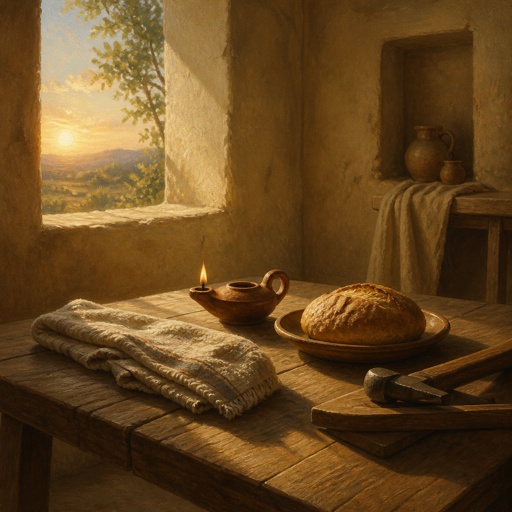
"Remember the sabbath day, to keep it holy." - Exodus 20:8

The Plague of Flies - Exodus 8:20-32.

The Plague of Locusts - Exodus 10:1-20

The Plague of Locusts - Exodus 10:1-20

The Plague of Locusts - Exodus 10:1-20

The Plague of Flies - Exodus 8:20-32

The Plague of Locusts - Exodus 10:1-20

The Plague of Locusts - Exodus 10:1-20

The Plague of Locusts - Exodus 10:1-20

The Plague of Locusts - Exodus 10:1-20

The Plague of Flies - Exodus 8:20-32

The Plague of Locusts - Exodus 10:1-20

Exodus Chapter 7 Verses 8-10

Exodus 10:20 - "But the LORD hardened Pharaoh's heart, so that he would not let the children of Israel go."

Exodus 8:10 - "And he said, To morrow. And he said, Be it according to thy word: that thou mayest know that there is none like unto the LORD our God."

Exodus 10:8 - "And Moses and Aaron were brought again unto Pharaoh: and he said unto them, Go, serve the LORD your God: but who are they that shall go?"
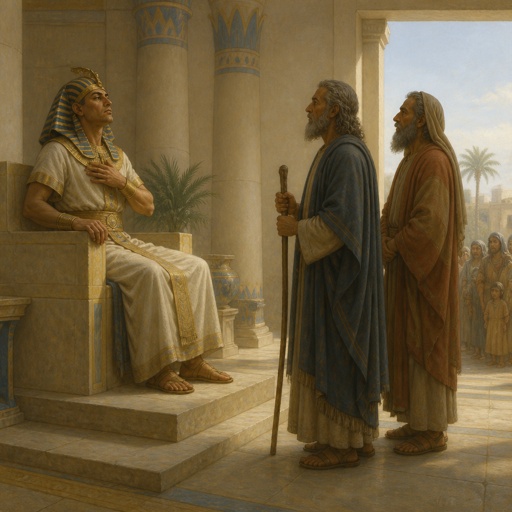
"But the LORD hardened Pharaoh's heart, so that he would not let the children of Israel go." - Exodus 10:20

Exodus 8:20 - "¶ And the LORD said unto Moses, Rise up early in the morning, and stand before Pharaoh; lo, he cometh forth to the water; and say unto him, Thus saith the LORD, Let my people go, that they may serve me."

Exodus 23:20

Exodus 20:2

Exodus 27:20

Exodus 27:20

Exodus 27:20

Exodus 20:14
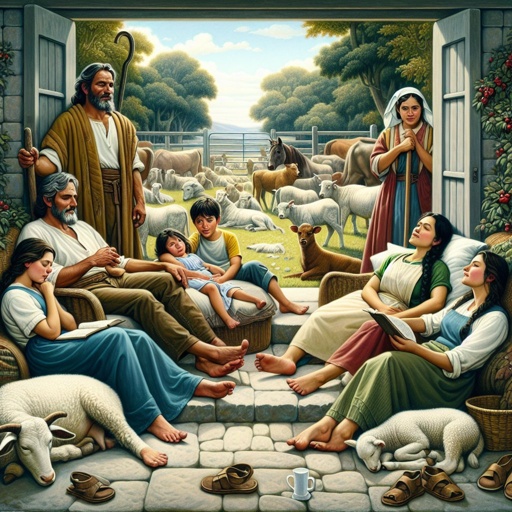
Exodus 20:10 - "But the seventh day is the sabbath of the LORD thy God: in it thou shalt not do any work, thou, nor thy son, nor thy daughter, thy manservant, nor thy maidservant, nor thy cattle, nor thy stranger that is within thy gates:"

Exodus 20:15 - "Thou shalt not steal."

Exodus 20:13 - "Thou shalt not kill."