What does Exodus 7:14 mean?
“And the LORD said unto Moses, Pharaoh’s heart is hardened, he refuseth to let the people go.” — Exodus 7:14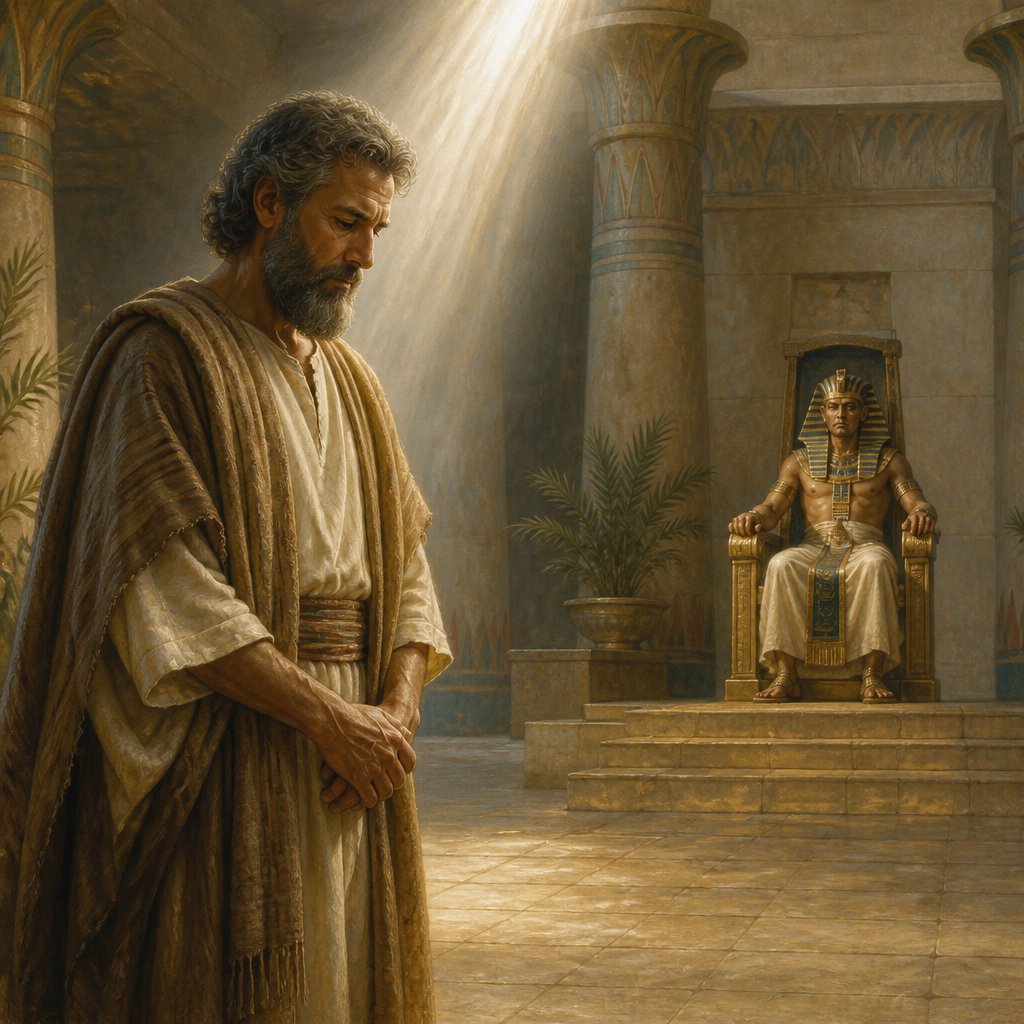
Exodus 7:14 from the King James Version of the Bible reads, "And the Lord said unto Moses, Pharaoh's heart is hardened, he refuseth to let the people go."
This verse is part of the narrative of the Exodus, detailing the struggle between Moses and Pharaoh as Moses acts as the mouthpiece for God, demanding the release of the Israelite people from their bondage in Egypt. The context of this verse is important as it sets the stage for the series of events that will lead to the ultimate liberation of the Israelites.
The overarching theme of this verse is the demonstration of God's power and sovereignty over Pharaoh and the Egyptian people. Throughout the Exodus narrative, there is a constant struggle between Pharaoh's stubbornness and God's unwavering commitment to deliver His people. This verse serves as a reminder that even when faced with resistance and opposition, God's will cannot be thwarted.
The hardening of Pharaoh's heart is a recurring motif in the Exodus story, and it speaks to the concept of divine hardening in the Bible. This theological concept raises questions about free will and God's sovereignty. In the case of Pharaoh, his heart is hardened as a result of his own obstinacy and pride. However, in other instances in the Bible, such as the hardening of the hearts of the Israelites in the wilderness, it is depicted as a direct action of God. This verse serves as a reminder of the consequences of rejecting God and the hardening of hearts as a result.
In terms of symbolism, Pharaoh represents the earthly power and authority that stands in opposition to God. His refusal to let the Israelites go represents a challenge to God's authority and a denial of the Israelites' freedom. The hardening of his heart symbolizes the stubbornness and pride that can consume those in positions of power. On the other hand, Moses serves as the intermediary between God and the people, representing the prophetic voice calling for liberation and justice.
From a historical perspective, this verse sheds light on the political and social dynamics of ancient Egypt. The refusal of Pharaoh to release the Israelites reflects the entrenched power structures and the exploitation of the Israelites as a labor force. The narrative of the Exodus serves as a powerful testimony to the triumph of the oppressed over their oppressors and the fulfillment of God's promise to deliver His people from bondage.
In conclusion, Exodus 7:14 encapsulates the enduring themes of divine sovereignty, human obstinacy, and the struggle for liberation. It serves as a reminder of the consequences of rejecting God's will and the enduring power of faith in the face of adversity. This verse is a pivotal moment in the Exodus narrative, setting the stage for the dramatic events that will ultimately lead to the freedom of the Israelite people.
Get our apps


Artwork for Exodus 7:14

Exodus 7:14-24

The Plague of Blood - Exodus 7:14-24

The Plague of Blood - Exodus 7:14-24

The Plague of Blood - Exodus 7:14-24

The Plague of Blood - Exodus 7:14-24

Exodus 7:14 - "¶ And the LORD said unto Moses, Pharaoh's heart is hardened, he refuseth to let the people go."
"¶ And the LORD said unto Moses, Pharaoh's heart is hardened, he refuseth to let the people go." - Exodus 7:14

Exodus 14:7 - "And he took six hundred chosen chariots, and all the chariots of Egypt, and captains over every one of them."

Exodus 14:7 KJV (7) And he took six hundred chosen chariots, and all the chariots of Egypt, and captains over every one of them.

Exodus 14:7 KJV (7) And he took six hundred chosen chariots, and all the chariots of Egypt, and captains over every one of them.

Exodus 14:7 KJV (7) And he took six hundred chosen chariots, and all the chariots of Egypt, and captains over every one of them.
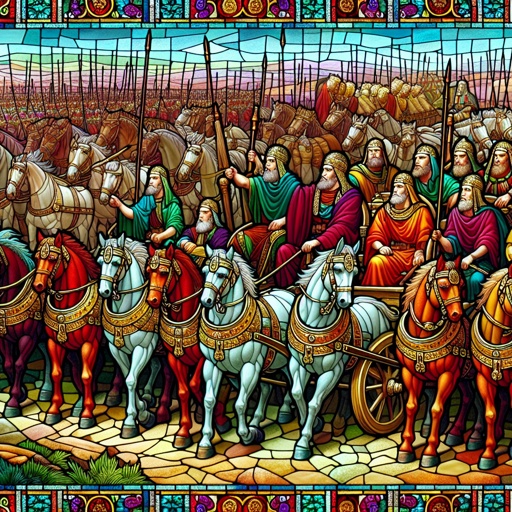
Exodus 14:7 KJV (7) And he took six hundred chosen chariots, and all the chariots of Egypt, and captains over every one of them.

Exodus 14

Exodus 14: 21

Exodus 14:13

Exodus 14:13

Exodus 14:13

Exodus 14:13

Exodus 14:13

Exodus 14:13

Exodus 14:13
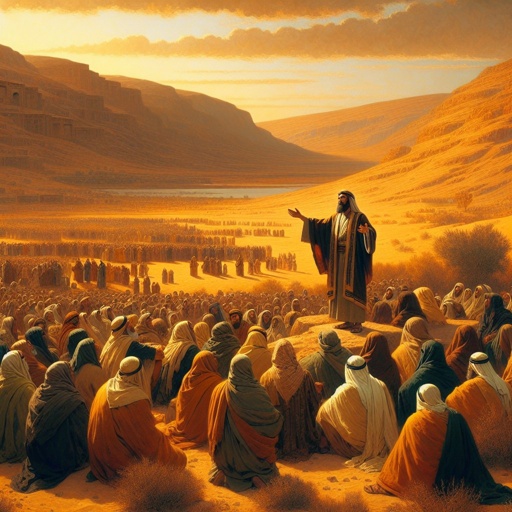
Exodus 14:13

Exodus 14:13
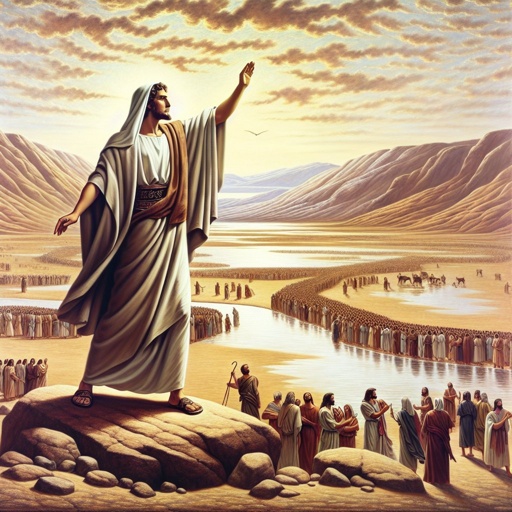
Exodus 14:13

Exodus 14:13
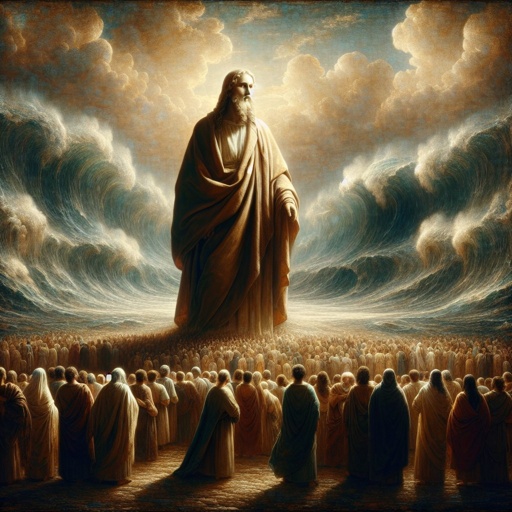
Exodus 14:13
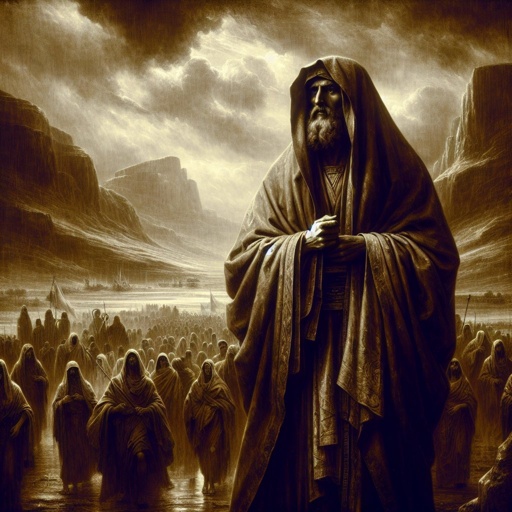
Exodus 14:13
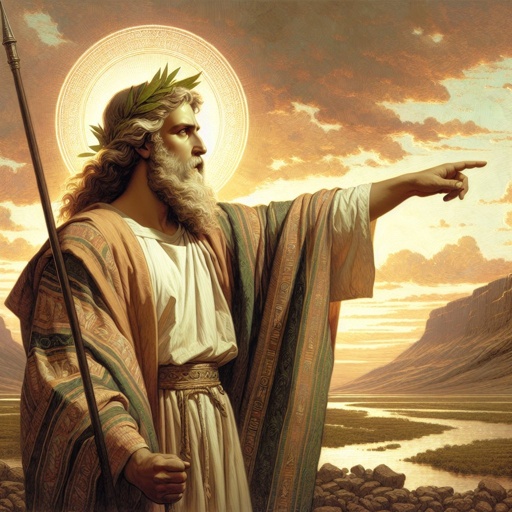
Exodus 14:13

Exodus 3:14

exodus 3:14