What does Genesis 2:16 mean?
“And the LORD God commanded the man, saying, Of every tree of the garden thou mayest freely eat:” — Genesis 2:16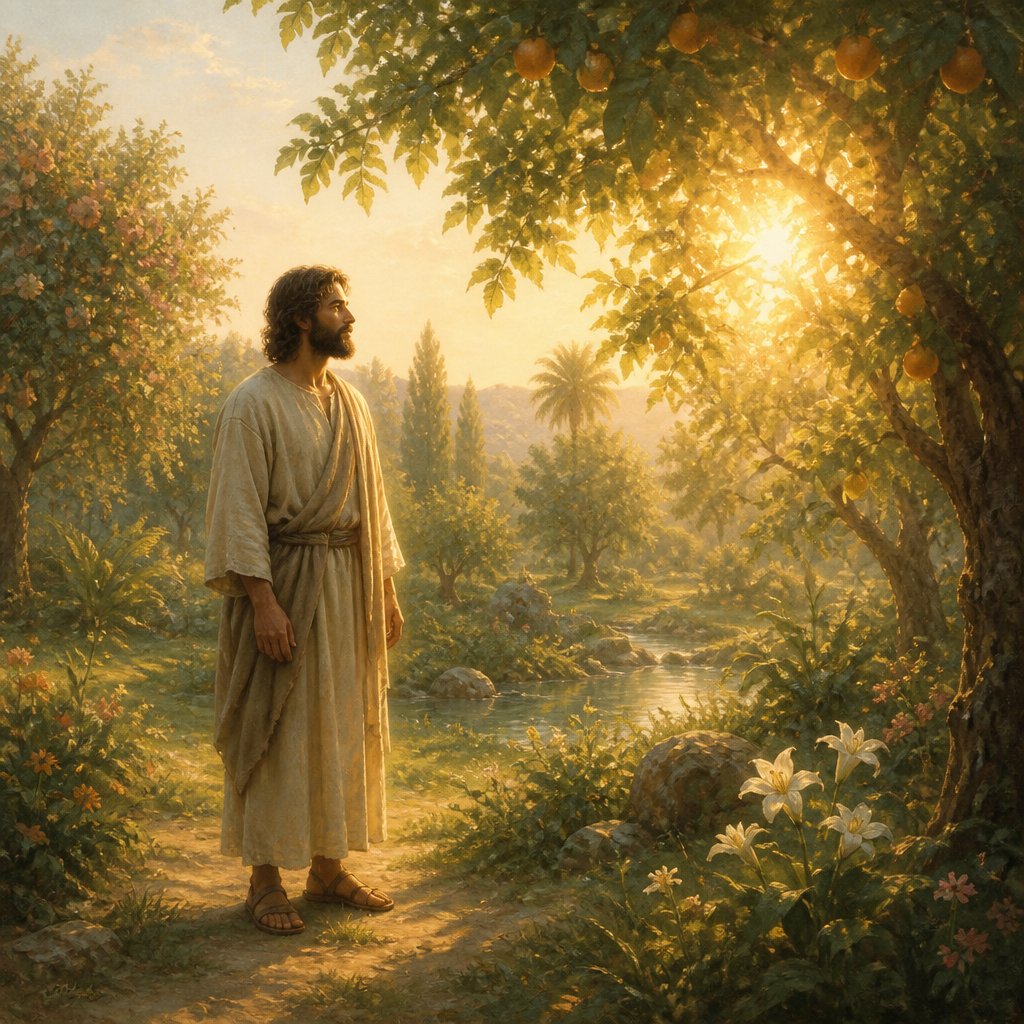
Genesis 2:16 (KJV) states, "And the Lord God commanded the man, saying, Of every tree of the garden thou mayest freely eat."
This verse comes from the second chapter of the book of Genesis, which is the first book of the Bible. In this chapter, God creates man and places him in the garden of Eden to take care of it. God also makes a woman from one of the man's ribs to be his helper and companion.
The verse carries with it several important themes and messages that are significant in both the Christian faith and the broader human experience. The commandment from God to freely eat from every tree in the garden represents the idea of abundance and provision. The fact that God gives permission to freely eat from every tree in the garden shows His generosity and desire for the well-being of His creation. It also reflects God's desire for man to experience freedom and enjoyment within the boundaries of the garden.
Another significant theme in this verse is God's authority and man's obedience. The instruction given to man by God is a demonstration of God's position as the ultimate authority. By commanding man to freely eat from every tree, God asserts His role as the Creator and the one who sets the rules. Adam's obedience to God's command reflects the relationship between God and humanity, with God as the sovereign ruler and humanity as His subjects.
The concept of obedience to God's commands is a recurring theme throughout the Bible, and this verse sets the stage for the broader narrative of humanity's struggle with obedience and disobedience to God. The idea of obedience to God's commands is central to the Christian faith, as believers are called to follow God's will and live according to His teachings.
Furthermore, the verse also carries symbolic and metaphorical meanings that are significant in understanding the deeper spiritual implications. The garden of Eden itself is often seen as a symbol of paradise and the ideal state of existence. The abundance of trees in the garden represents the richness and fullness of life that God offers to humanity. The command to freely eat from every tree symbolizes God's desire for humanity to experience the fullness of His provision and blessings.
In a broader context, the verse also raises questions about the nature of God and the relationship between God and humanity. It invites contemplation on the character of God as a generous provider and the implications of obedience to His commands. It also foreshadows the consequences of disobedience, as seen in the later parts of the Genesis narrative with the fall of man.
In conclusion, Genesis 2:16 from the King James Version of the Bible carries deep and profound meanings that touch on themes of abundance, obedience, and the nature of God. It serves as a foundational verse in the broader narrative of the Bible and offers important insights into the relationship between God and humanity. The verse invites readers to consider the implications of God's commandments and the significance of obedience in the Christian faith.
Get our apps


Artwork for Genesis 2:16

Genesis 2:16 - "And the LORD God commanded the man, saying, Of every tree of the garden thou mayest freely eat:"
"And the LORD God commanded the man, saying, Of every tree of the garden thou mayest freely eat:" - Genesis 2:16

Genesis 16:2

Genesis 16:16

Genesis 16:3

Genesis 16:14

Genesis 16:6

Genesis 1:16

Genesis 15:16

Genesis 16:8

Genesis 16:12

Genesis 25-16

Genesis 16:1

Genesis 18-16

Genesis 16:11

Genesis 3:16

Genesis 17-16

Genesis 16:4

Genesis 16:7

Genesis 23-16

Genesis 16:9

Genesis 16:5

Genesis 20-16

Genesis 28-16

Genesis 22-16

Genesis 16:15

Genesis 16:10

Genesis 16:3

Genesis 24-16

Genesis 19-16