What does Genesis 26:1 mean?
“And there was a famine in the land, beside the first famine that was in the days of Abraham. And Isaac went unto Abimelech king of the Philistines unto Gerar.” — Genesis 26:1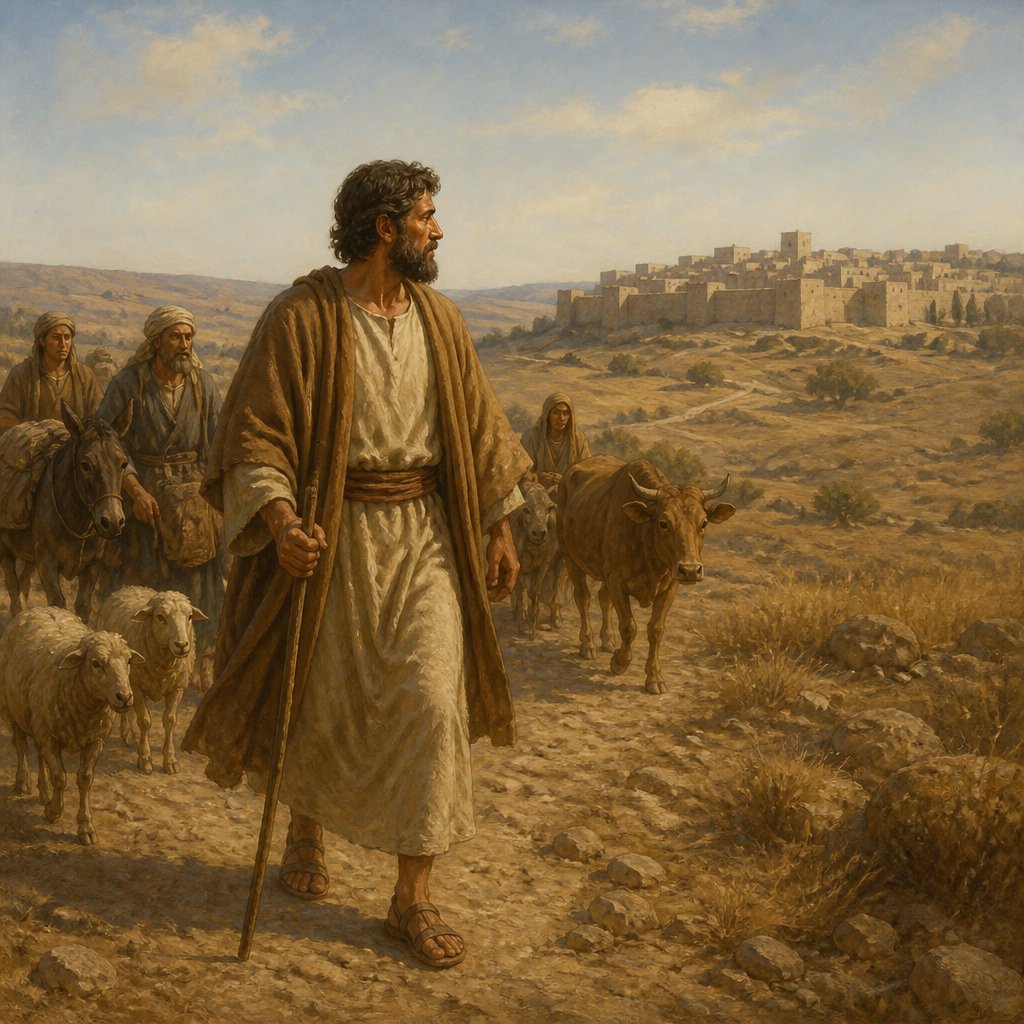
Genesis 26:1 (KJV): "And there was a famine in the land, beside the first famine that was in the days of Abraham. And Isaac went unto Abimelech king of the Philistines unto Gerar."
This verse from the book of Genesis marks the beginning of a significant and tumultuous period in the life of Isaac, the son of Abraham. The verse sets the stage by describing the presence of a famine in the land, a phenomenon that was not uncommon in the ancient Near East. Famine, in the Bible, serves as a prominent theme, representing a time of scarcity, hardship, and divine testing.
The verse begins by drawing a parallel between the famine in the time of Isaac and the famine that occurred in the days of Abraham, Isaac's father. By doing so, the verse emphasizes the cyclical nature of hardship and scarcity, highlighting the challenges that Isaac faced as he sought to navigate a situation that was reminiscent of his father's experiences.
The decision of Isaac to go to Abimelech, the king of the Philistines in Gerar, carries significant symbolic and thematic weight. It illustrates Isaac's response to the famine, as well as his reliance on external sources for sustenance and protection. The act of seeking refuge and support from a foreign king underscores the desperate circumstances brought about by the famine, and it sets the stage for the events that unfold in the subsequent verses.
The broader context of this verse is crucial to understanding its significance. The narrative in the book of Genesis is replete with accounts of famine and its consequences, serving as a recurring theme that underscores the fragility of human existence and the reliance on divine providence. In the case of Isaac, the famine provides a backdrop for the challenges he faces, as well as the choices he makes in response to the adversity.
The verse foreshadows the events that follow, as Isaac's interaction with Abimelech and the Philistines unfolds in subsequent passages. This interaction, marked by both conflict and cooperation, sheds light on themes of power dynamics, hospitality, and trust. Moreover, it serves as a prelude to the divine promises and blessings that are revealed later in the narrative.
Symbolically, the famine represents a period of spiritual drought and testing, both for Isaac personally and for the broader context of the biblical narrative. It serves as a backdrop against which Isaac's character and faith are tested, as well as a catalyst for the unfolding of God's redemptive plan.
In conclusion, Genesis 26:1 presents a pivotal moment in the narrative of Isaac, marking the onset of a period of adversity and divine testing. The presence of famine, coupled with Isaac's decision to seek refuge with a foreign king, sets the stage for the challenges and blessings that follow. The verse underscores themes of scarcity, reliance on external powers, and the cyclical nature of hardship. It also serves as a prelude to the divine intervention and promises that shape the subsequent events in the narrative. Through its rich symbolism and thematic depth, Genesis 26:1 invites readers to ponder the complexities of human existence, the uncertainties of earthly life, and the enduring faithfulness of God.
Get our apps


Artwork for Genesis 26:1

Genesis 26 1 famine

genesis 26:1-35

Genesis 26:1 - "And there was a famine in the land, beside the first famine that was in the days of Abraham. And Isaac went unto Abimelech king of the Philistines unto Gerar."
"And there was a famine in the land, beside the first famine that was in the days of Abraham. And Isaac went unto Abimelech king of the Philistines unto Gerar." - Genesis 26:1

Genesis 1:26

Genesis 1:26

Genesis 1:26

Genesis 1:26

Genesis 24-26

Genesis 26:35

Genesis 50:26

Genesis 26:25

Genesis 21-26

Genesis 25-26

Genesis 50:26

Genesis 19-26

Genesis 26:29

Genesis 50:26

Genesis 18-26

Genesis 26:18

Genesis 50:26

Genesis 26:9

Genesis 17-26

Genesis 26:6 - "¶ And Isaac dwelt in Gerar:"

Genesis 26:26 - "¶ Then Abimelech went to him from Gerar, and Ahuzzath one of his friends, and Phichol the chief captain of his army."

Genesis 42:26 - "And they laded their asses with the corn, and departed thence."

Genesis 36:26 - "And these are the children of Dishon; Hemdan, and Eshban, and Ithran, and Cheran."

Genesis 10:26 - "And Joktan begat Almodad, and Sheleph, and Hazarmaveth, and Jerah,"

Genesis 26:23 - "And he went up from thence to Beer-sheba."

Genesis 24:26 - "And the man bowed down his head, and worshipped the LORD."