What does Genesis 3:22 mean?
“And the LORD God said, Behold, the man is become as one of us, to know good and evil: and now, lest he put forth his hand, and take also of the tree of life, and eat, and live for ever:” — Genesis 3:22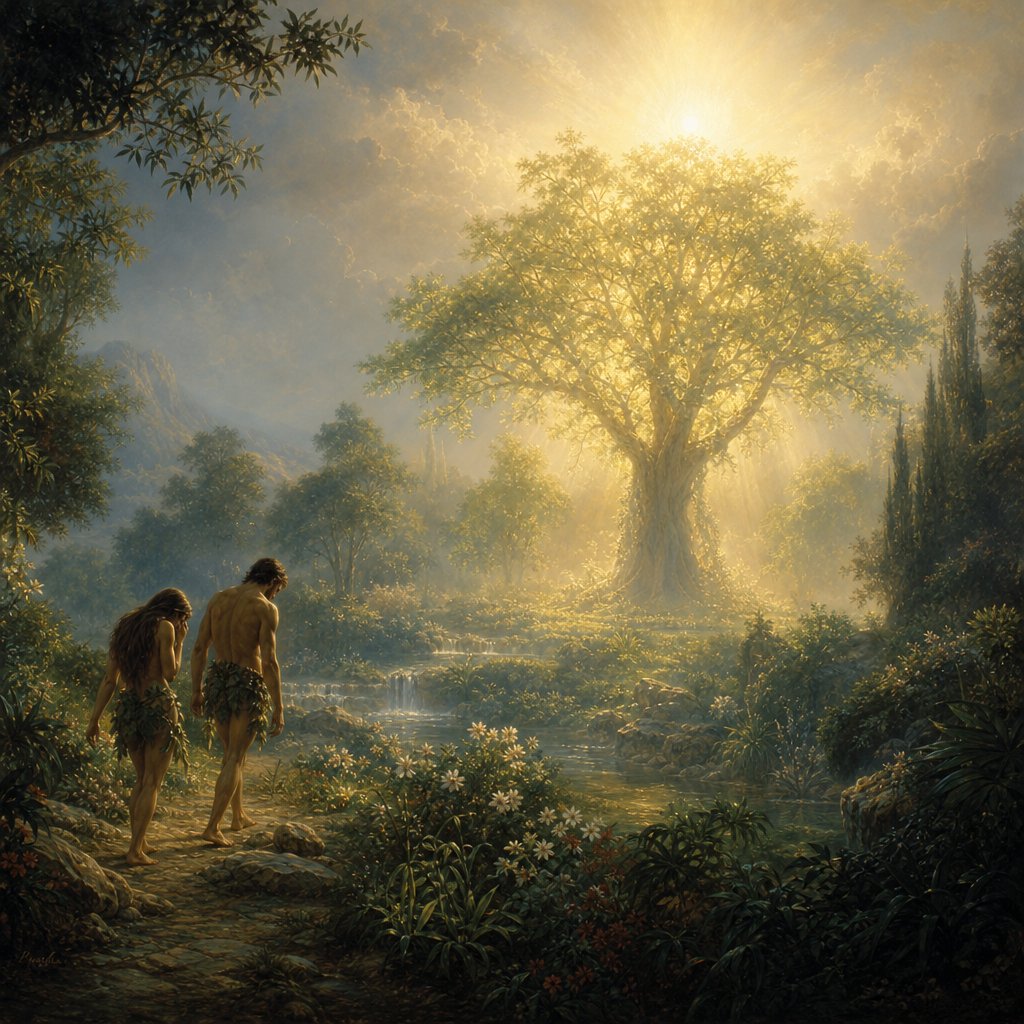
Genesis 3:22 in the King James Version of the Bible reads, "And the Lord God said, Behold, the man is become as one of us, to know good and evil: and now, lest he put forth his hand, and take also of the tree of life, and eat, and live forever." This verse comes at a crucial moment in the book of Genesis, as it marks the aftermath of the Fall of Man, when Adam and Eve disobeyed God and ate from the tree of knowledge of good and evil.
The overarching theme of Genesis 3:22 is the consequences of disobedience and the subsequent banishment of Adam and Eve from the Garden of Eden. Throughout the Bible, obedience to God's commands is closely connected to blessing, while disobedience leads to consequences. In this case, Adam and Eve's disobedience resulted in their being stripped of their innocent and immortal state, as they were no longer allowed to eat from the tree of life and live forever.
The context of this verse is crucial to understanding its full meaning. In the preceding verses, Adam and Eve were tempted by the serpent to eat from the forbidden tree, and they ultimately succumbed to the temptation. As a result, God pronounced curses upon the man, the woman, and the serpent, and expelled Adam and Eve from the Garden of Eden, placing cherubim and a flaming sword to guard the way to the tree of life.
In Genesis 3:22, God is acknowledging the new state of humanity after the Fall. He observes that Adam and Eve have now become like Him in knowing good and evil, a characteristic that was previously exclusive to God. This newfound knowledge of good and evil comes with the awareness of sin and its consequences, which separates humanity from God's original plan of unfettered fellowship with Him.
The phrase "the man is become as one of us" is particularly interesting, as it suggests a certain level of divine likeness in humanity. While this may seem paradoxical in light of the disobedience that took place, it also reflects God's intention for humanity to reflect His image and character. However, it also serves as a reminder of the consequences of seeking knowledge and wisdom outside of God's design and timing.
The latter part of Genesis 3:22 expresses God's concern that if Adam and Eve were to eat from the tree of life, they would live forever in their fallen state. This demonstrates God's mercy and wisdom in preventing them from perpetuating their sinful state for all eternity. It also underscores the reality that eternal life is intricately linked to holiness and fellowship with God, something that was now unattainable for humanity in its fallen state.
In terms of symbolism, the tree of life represents eternal fellowship with God and the restoration of humanity to its original, sinless state. By barring Adam and Eve from accessing the tree of life, God is signaling that the path to redemption and eternal life must come through Him alone, rather than through humanity's own efforts.
Overall, Genesis 3:22 serves as a sobering reminder of the consequences of disobedience and the separation it brings between humanity and God. Yet, it also points forward to God's redemptive plan, as He eventually provides a way for restoration and eternal life through the sacrifice of His Son, Jesus Christ. This verse lays the foundation for the overarching narrative of the Bible, in which God seeks to reconcile humanity to Himself and restore the fellowship that was lost in the Garden of Eden.
Get our apps


Artwork for Genesis 3:22

Genesis 3:22-24

Genesis 3:22 - "¶ And the LORD God said, Behold, the man is become as one of us, to know good and evil: and now, lest he put forth his hand, and take also of the tree of life, and eat, and live for ever:"
"¶ And the LORD God said, Behold, the man is become as one of us, to know good and evil: and now, lest he put forth his hand, and take also of the tree of life, and eat, and live for ever:" - Genesis 3:22

Genesis 22-3

Genesis 22-22

Genesis 22:22 - "And Chesed, and Hazo, and Pildash, and Jidlaph, and Bethuel."

Genesis 22

Genesis 22 14

Genesis 28-22

Genesis 18-22

Genesis 21:22

Genesis 22-8

Genesis 22-9

Genesis 22-12

Genesis 22:15

Genesis 22-10

Genesis 22-16

Genesis 22-14

Genesis 17-22

Genesis 22-23

Genesis 22-7

Genesis 22-21

Genesis 22-4

Genesis 19-22

Genesis 22-17

Genesis 22:1

Genesis 22-20

Genesis 24-22

Genesis 22:10

Genesis 22-2