What does Genesis 34:6 mean?
“And Hamor the father of Shechem went out unto Jacob to commune with him.” — Genesis 34:6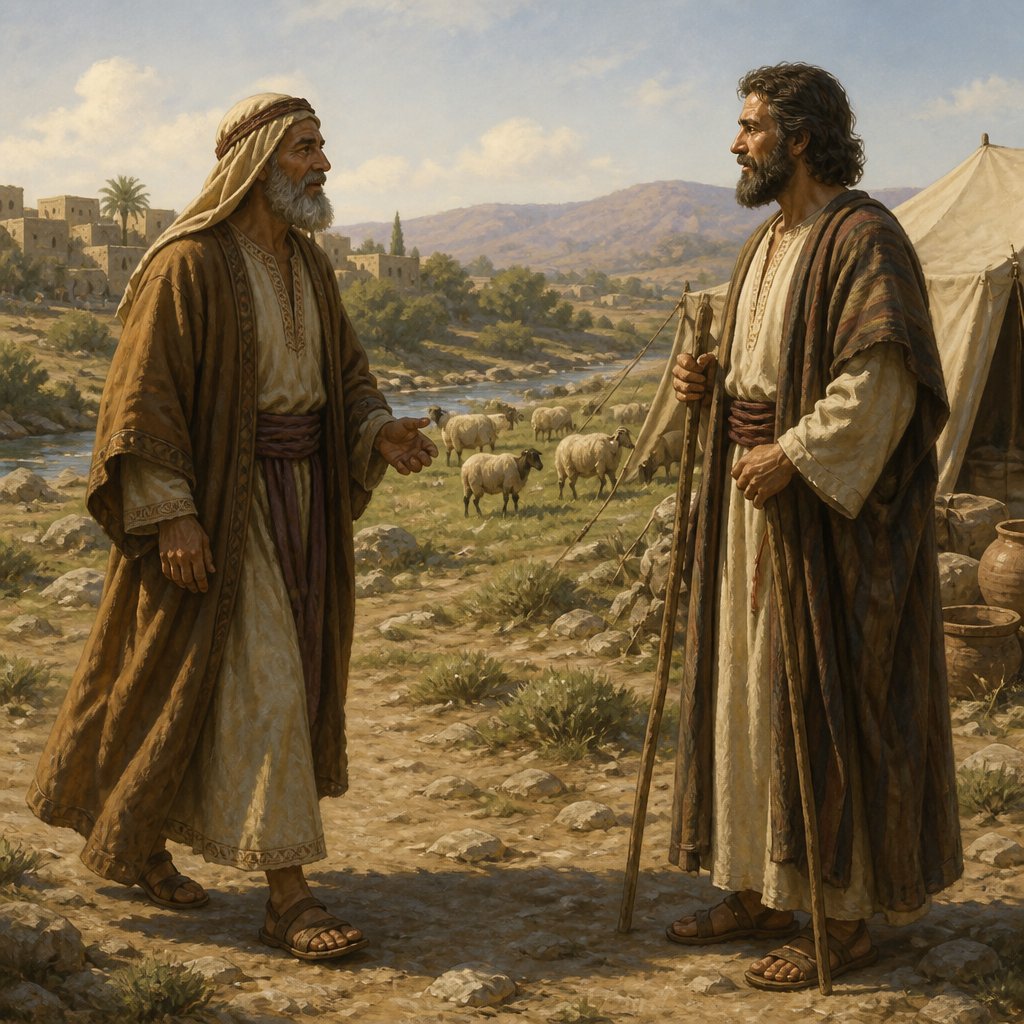
Genesis 34:6 (KJV) says, "And Hamor the father of Shechem went out unto Jacob to commune with him." This verse is a part of the story of Dinah, the daughter of Jacob, and the events that unfolded after she was taken advantage of by Shechem, the son of Hamor the Hivite.
The story of Dinah is a tragic and tumultuous one, filled with themes of violence, revenge, and the importance of family honor. The verse in question, Genesis 34:6, is significant because it marks the beginning of the negotiations between the patriarchs of both families, Jacob and Hamor, in an attempt to find a resolution to the conflict that arose from Shechem's actions.
The context of this verse is crucial to understanding its deeper meaning. Dinah's violation by Shechem led to a deep sense of dishonor and shame for her family, particularly her brothers. This sense of dishonor was deeply ingrained in the ancient Near Eastern culture, where the actions of one individual could bring shame and disgrace upon an entire family. As a result, Dinah's brothers sought to avenge her honor by seeking retribution against Shechem and his people.
When Hamor, the father of Shechem, goes out to commune with Jacob, it is a pivotal moment in the story. It represents an opportunity for both families to come together and potentially find a peaceful resolution to the conflict. However, as the story unfolds, it becomes clear that the negotiations are filled with deceit and manipulation on both sides, ultimately leading to a violent and tragic ending.
Symbolically, the encounter between Hamor and Jacob represents the clash of two different worldviews and belief systems. Hamor comes from a culture that may have had different values and customs than Jacob's family. Their attempt to communicate and find common ground reflects the universal human desire for peace and reconciliation, but it also highlights the difficulty of bridging the gap between different cultures and traditions.
The themes of honor, justice, and revenge are central to the story of Dinah and are reflected in this verse. The violation of Dinah's honor leads to a cycle of violence and retribution, as her brothers seek to avenge her and restore their family's honor. This cycle of violence ultimately leads to more suffering and tragedy, underscoring the destructive nature of seeking revenge.
Furthermore, the story of Dinah and the negotiations between Jacob and Hamor also provide insight into the complexities of family dynamics and the interplay of power and authority. Each family patriarch is seeking to protect the interests of their own family, and their negotiations are driven by a desire to maintain their family's standing in the community.
In conclusion, Genesis 34:6 is a verse that carries significant meaning within the broader context of the story of Dinah. It serves as a pivotal moment in the narrative, marking the beginning of the negotiations between two families and reflecting the themes of honor, justice, and the complexities of family dynamics. The story of Dinah and its broader implications offer valuable insights into the complexities of human relationships, the pursuit of justice, and the destructive nature of seeking revenge.
Get our apps


Artwork for Genesis 34:6

Genesis 34:6 - "¶ And Hamor the father of Shechem went out unto Jacob to commune with him."
"¶ And Hamor the father of Shechem went out unto Jacob to commune with him." - Genesis 34:6

Genesis 21-34

Genesis 19-34

Genesis 24-34

Matthew 6:34

Genesis 21:34 - "And Abraham sojourned in the Philistines' land many days."

Matthew 6:34

Matthew 6:34

Matthew 6:34

Matthew 6:34

Genesis 34:18 - "And their words pleased Hamor, and Shechem Hamor's son."

Genesis 24:34 - "And he said, I am Abraham's servant."

Genesis 34:31 - "And they said, Should he deal with our sister as with an harlot?"

Genesis 36:34 - "And Jobab died, and Husham of the land of Temani reigned in his stead."

Genesis 34:28 - "They took their sheep, and their oxen, and their asses, and that which was in the city, and that which was in the field,"

Deuteronomy 34:5-6

Matthew 6:25 – 34

Genesis 30:34 - "And Laban said, Behold, I would it might be according to thy word."

Genesis 34:15 - "But in this will we consent unto you: If ye will be as we be, that every male of you be circumcised;"

Genesis 34:27 - "The sons of Jacob came upon the slain, and spoiled the city, because they had defiled their sister."

Genesis 34:4 - "And Shechem spake unto his father Hamor, saying, Get me this damsel to wife."

Genesis 34:17 - "But if ye will not hearken unto us, to be circumcised; then will we take our daughter, and we will be gone."

John 6:34 - "Then said they unto him, Lord, evermore give us this bread."

Genesis 34:29 - "And all their wealth, and all their little ones, and their wives took they captive, and spoiled even all that was in the house."

Genesis 34:20 - "¶ And Hamor and Shechem his son came unto the gate of their city, and communed with the men of their city, saying,"

Proverbs 6:34 - "For jealousy is the rage of a man: therefore he will not spare in the day of vengeance."

Genesis 34:1 - "And Dinah the daughter of Leah, which she bare unto Jacob, went out to see the daughters of the land."

Genesis 37:34 - "And Jacob rent his clothes, and put sackcloth upon his loins, and mourned for his son many days."
"And he said, I am Abraham's servant." - Genesis 24:34