What does Genesis 36:21 mean?
“And Dishon, and Ezer, and Dishan: these are the dukes of the Horites, the children of Seir in the land of Edom.” — Genesis 36:21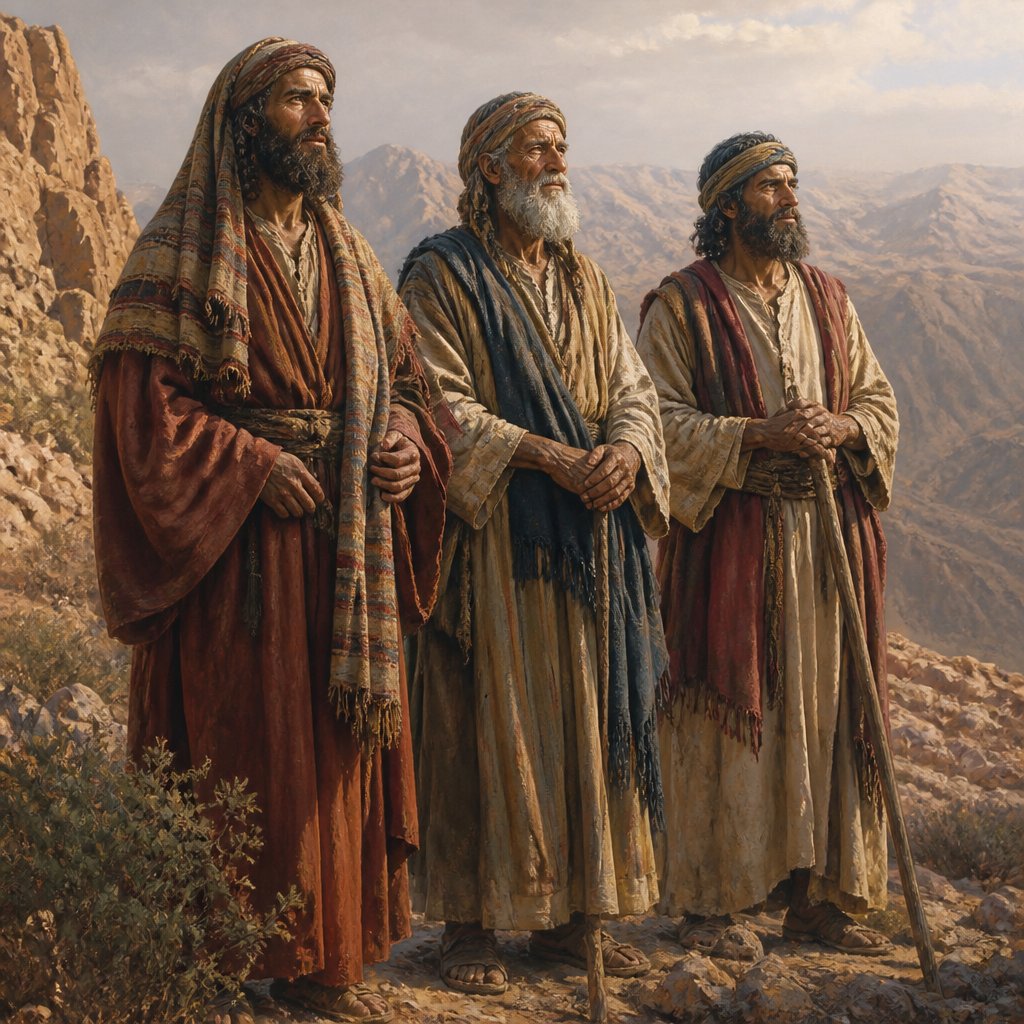
Genesis 36:21 in the King James Version (KJV) of the Bible reads, "And Dishon, and Ezer, and Dishan: these are the dukes of the Horites, the children of Seir in the land of Edom."
This verse is part of the genealogy of Esau, who is also known as Edom, and it gives us a glimpse into the descendants of Seir, a Horite and the original inhabitants of the land of Edom.
To understand the significance of this verse, it is important to look at the broader context of the book of Genesis. The book of Genesis is the first book of the Bible and it lays the foundation for the rest of the biblical narrative. It begins with the creation of the world by God and it continues to recount the stories of the patriarchs, such as Abraham, Isaac, and Jacob. These patriarchs are important figures in the history of Israel, and their stories provide the background for the nation of Israel.
The genealogy of Esau in Genesis 36 is significant because it highlights the fulfillment of God's promise to Abraham. In Genesis 12:2-3, God promises to make Abraham into a great nation, and that all the families of the earth will be blessed through him. This promise is passed down through the generations, and we see it coming to fruition as we read about the descendants of Esau and the establishment of the nation of Edom.
In this particular verse, the mention of Dishon, Ezer, and Dishan as the dukes of the Horites carries several layers of meaning. Firstly, it serves as a record of the descendants of Seir, the Horite, in the land of Edom. The Horites were a people who inhabited the land of Edom before the Edomites, who are the descendants of Esau, took over the territory. This genealogy connects the Edomites to the original inhabitants of the land, emphasizing their historical roots and claim to the territory.
Additionally, the mention of these dukes can be seen as a reflection of the social and political structure of the time. The title of "dukes" denotes a position of authority and leadership, indicating that these individuals held significant power within their community. This is a reminder that the tribes and nations of the ancient world were organized with leaders and hierarchies, and it provides a glimpse into the societal dynamics of that time period.
From a spiritual perspective, this verse also highlights the faithfulness of God in fulfilling his promises. The descendants of Esau are mentioned in detail, demonstrating the continuity of God's plan through the generations. This genealogy ultimately leads to the birth of Jesus Christ, who is the ultimate fulfillment of God's promise to bless all the families of the earth through the line of Abraham.
Symbolically, the names of Dishon, Ezer, and Dishan can also carry deeper meanings. In the Bible, names often have significant spiritual or symbolic connotations. For example, the name Dishon means "gazelle" or "antelope," which is a symbol of grace and beauty. Ezer means "help" or "aid," signifying support and assistance, while Dishan means "antelope" as well. These names may symbolize the characteristics or attributes of these individuals or their families, and they add a layer of depth to the narrative.
In conclusion, Genesis 36:21 is a seemingly simple verse in the genealogy of Esau, but it carries significant historical, social, spiritual, and symbolic meanings. It serves as a testament to the faithfulness of God in fulfilling his promises, and it provides valuable insight into the history and culture of the ancient world. This verse reminds us of the rich tapestry of the biblical narrative and the intricate ways in which God's plan unfolds across generations.
Get our apps


Artwork for Genesis 36:21

Genesis 36:21 - "And Dishon, and Ezer, and Dishan: these are the dukes of the Horites, the children of Seir in the land of Edom."
"And Dishon, and Ezer, and Dishan: these are the dukes of the Horites, the children of Seir in the land of Edom." - Genesis 36:21

Genesis 36:36 - "And Hadad died, and Samlah of Masrekah reigned in his stead."

Genesis 24:36

Genesis 19-36

Genesis 36:28 - "The children of Dishan are these; Uz, and Aran."

"And Hadad died, and Samlah of Masrekah reigned in his stead." - Genesis 36:36

Genesis 36:27 - "The children of Ezer are these; Bilhan, and Zaavan, and Akan."

Genesis 36:19 - "These are the sons of Esau, who is Edom, and these are their dukes."

Genesis 36:3 - "And Bashemath Ishmael's daughter, sister of Nebajoth."

Genesis 36:1 - "Now these are the generations of Esau, who is Edom."

Genesis 36:26 - "And these are the children of Dishon; Hemdan, and Eshban, and Ithran, and Cheran."

Genesis 36:42 - "Duke Kenaz, duke Teman, duke Mibzar,"

Genesis 36:9 - "¶ And these are the generations of Esau the father of the Edomites in mount Seir:"

Acts 21:36 - "For the multitude of the people followed after, crying, Away with him."

Genesis 36:41 - "Duke Aholibamah, duke Elah, duke Pinon,"

Genesis 19:36 - "Thus were both the daughters of Lot with child by their father."

Genesis 36:8 - "Thus dwelt Esau in mount Seir: Esau is Edom."

Genesis 36:25 - "And the children of Anah were these; Dishon, and Aholibamah the daughter of Anah."

Genesis 36:4 - "And Adah bare to Esau Eliphaz; and Bashemath bare Reuel;"

Genesis 21-21

Genesis 36:11 - "And the sons of Eliphaz were Teman, Omar, Zepho, and Gatam, and Kenaz."

Joshua 21:36 - "And out of the tribe of Reuben, Bezer with her suburbs, and Jahazah with her suburbs,"

Exodus 36:21 - "The length of a board was ten cubits, and the breadth of a board one cubit and a half."

Genesis 36:23 - "And the children of Shobal were these; Alvan, and Manahath, and Ebal, Shepho, and Onam."

Genesis 36:34 - "And Jobab died, and Husham of the land of Temani reigned in his stead."

Genesis 36:22 - "And the children of Lotan were Hori and Hemam; and Lotan's sister was Timna."
Genesis 36:37 - "And Samlah died, and Saul of Rehoboth by the river reigned in his stead."

Genesis 36:33 - "And Bela died, and Jobab the son of Zerah of Bozrah reigned in his stead."

Genesis 36:38 - "And Saul died, and Baal-hanan the son of Achbor reigned in his stead."