What does Genesis 36:36 mean?
“And Hadad died, and Samlah of Masrekah reigned in his stead.” — Genesis 36:36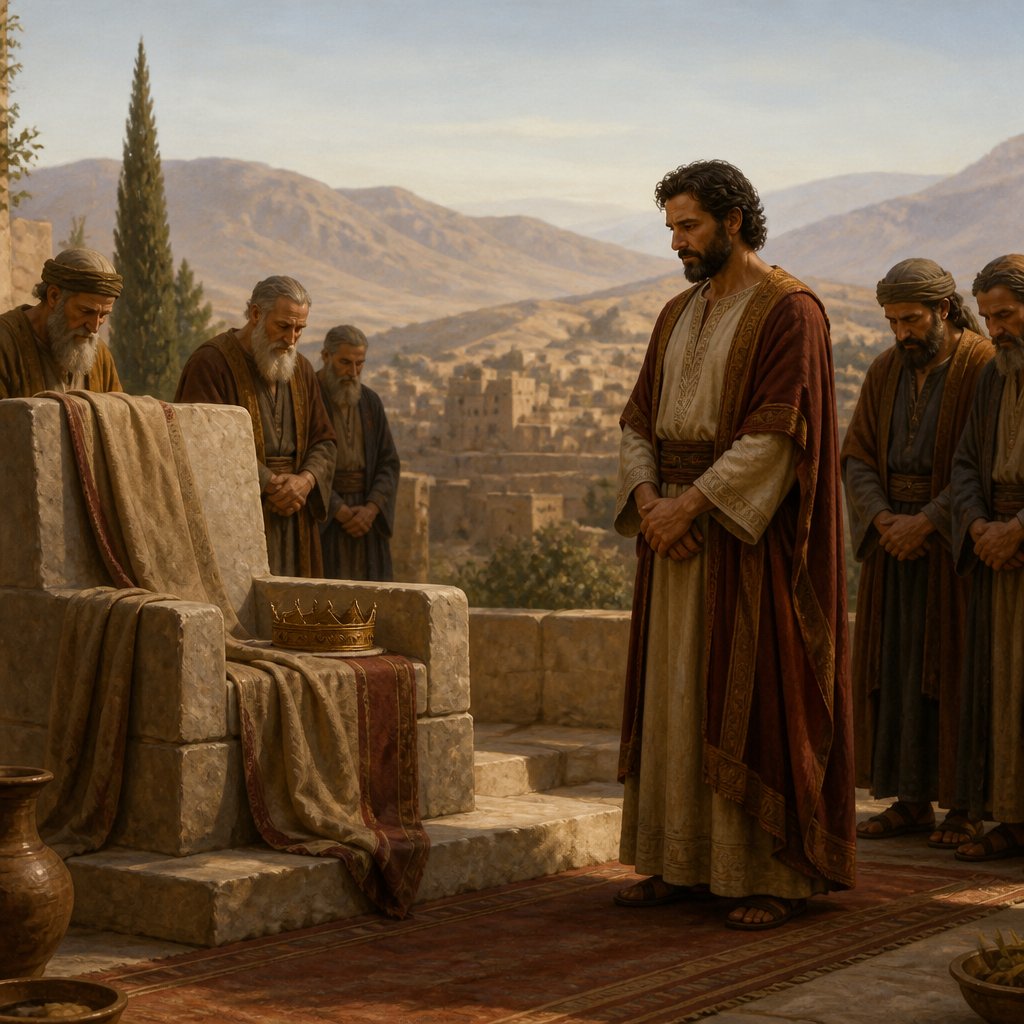
Genesis 36:36 in the King James Version of the Bible reads, "And Hadad died, and Samlah of Masrekah reigned in his stead." This particular verse may seem short and simple at first glance, but when analyzed with a deeper understanding of the context and symbolism within the book of Genesis, it reveals a rich array of themes and lessons for readers to explore.
The book of Genesis is the first book of the Bible and is considered to be a foundational text for both Judaism and Christianity. It contains the stories of the creation of the world, the fall of humanity, and the beginnings of the Israelite nation. Genesis is also where readers first learn about the covenant between God and Abraham, which is a key theme that runs throughout the entire bible.
Genesis 36:36 is a part of the larger genealogical record of Esau, the brother of Jacob and the son of Isaac and Rebekah. This genealogy highlights the descendants of Esau and provides insight into the lineage of the Edomites, who were considered to be the traditional enemies of the Israelites.
The verse itself is a simple statement about the death of a ruler named Hadad, and the succession of Samlah of Masrekah to the throne. On a surface level, this verse serves as a historical record of the changing of power and leadership within the Edomite nation. However, when viewed in the broader context of the biblical narrative, it also carries profound symbolic significance.
The death of Hadad and the rise of Samlah can symbolize the ephemeral nature of human power and the transitory nature of earthly kingdoms. Throughout the Bible, there is a consistent theme of the rise and fall of nations and rulers, and Genesis 36:36 serves as a reminder of the impermanence of human authority in contrast to the enduring sovereignty of God.
Additionally, the succession of Samlah to the throne can be seen as a fulfillment of God's providential plan for the Edomite people. Just as He made a covenant with Abraham and brought forth a great nation through Isaac and Jacob, God is also at work in the lives and destinies of the Edomites. This theme of divine providence and sovereignty is a central message in the book of Genesis and the Bible as a whole.
Moreover, the detailed genealogical records found in the Bible, including Genesis 36, demonstrate the significance of lineage and heritage in the biblical narrative. The succession of rulers and the preservation of ancestral lineages are highlighted as crucial elements in the unfolding of God's plan for humanity. This emphasis on lineage serves to reinforce the sense of continuity and connection between past, present, and future generations within the biblical worldview.
In conclusion, Genesis 36:36 may appear to be a simple and straightforward verse, but when examined within the broader context of the book of Genesis and the Bible as a whole, it reveals deep and profound themes. It serves as a reminder of the impermanence of human power, the providential plan of God, and the significance of lineage and heritage in the biblical narrative. As readers delve into this verse, they are encouraged to reflect on the broader messages and lessons it holds and to consider the timeless wisdom it imparts.
Get our apps


Artwork for Genesis 36:36

Genesis 36:36 - "And Hadad died, and Samlah of Masrekah reigned in his stead."

"And Hadad died, and Samlah of Masrekah reigned in his stead." - Genesis 36:36

Genesis 24:36

Genesis 19-36

Genesis 36:28 - "The children of Dishan are these; Uz, and Aran."

Genesis 36:27 - "The children of Ezer are these; Bilhan, and Zaavan, and Akan."

Genesis 36:19 - "These are the sons of Esau, who is Edom, and these are their dukes."

Genesis 36:3 - "And Bashemath Ishmael's daughter, sister of Nebajoth."

Genesis 36:1 - "Now these are the generations of Esau, who is Edom."

Genesis 36:26 - "And these are the children of Dishon; Hemdan, and Eshban, and Ithran, and Cheran."

Genesis 36:42 - "Duke Kenaz, duke Teman, duke Mibzar,"

Genesis 36:9 - "¶ And these are the generations of Esau the father of the Edomites in mount Seir:"

Genesis 36:41 - "Duke Aholibamah, duke Elah, duke Pinon,"

Genesis 19:36 - "Thus were both the daughters of Lot with child by their father."

Genesis 36:8 - "Thus dwelt Esau in mount Seir: Esau is Edom."

Genesis 36:25 - "And the children of Anah were these; Dishon, and Aholibamah the daughter of Anah."

Genesis 36:4 - "And Adah bare to Esau Eliphaz; and Bashemath bare Reuel;"

Genesis 36:11 - "And the sons of Eliphaz were Teman, Omar, Zepho, and Gatam, and Kenaz."

Genesis 36:23 - "And the children of Shobal were these; Alvan, and Manahath, and Ebal, Shepho, and Onam."

Genesis 36:34 - "And Jobab died, and Husham of the land of Temani reigned in his stead."

Genesis 36:22 - "And the children of Lotan were Hori and Hemam; and Lotan's sister was Timna."
Genesis 36:37 - "And Samlah died, and Saul of Rehoboth by the river reigned in his stead."

Genesis 36:33 - "And Bela died, and Jobab the son of Zerah of Bozrah reigned in his stead."

Genesis 36:38 - "And Saul died, and Baal-hanan the son of Achbor reigned in his stead."

Genesis 36:21 - "And Dishon, and Ezer, and Dishan: these are the dukes of the Horites, the children of Seir in the land of Edom."

Genesis 36:32 - "And Bela the son of Beor reigned in Edom: and the name of his city was Dinhabah."

"The children of Dishan are these; Uz, and Aran." - Genesis 36:28

Genesis 37:36 - "And the Midianites sold him into Egypt unto Potiphar, an officer of Pharaoh's, and captain of the guard."

Genesis 36:20 - "¶ These are the sons of Seir the Horite, who inhabited the land; Lotan, and Shobal, and Zibeon, and Anah,"

Genesis 36:29 - "These are the dukes that came of the Horites; duke Lotan, duke Shobal, duke Zibeon, duke Anah,"