What does Hebrews 12:5 mean?
“And ye have forgotten the exhortation which speaketh unto you as unto children, My son, despise not thou the chastening of the Lord, nor faint when thou art rebuked of him:” — Hebrews 12:5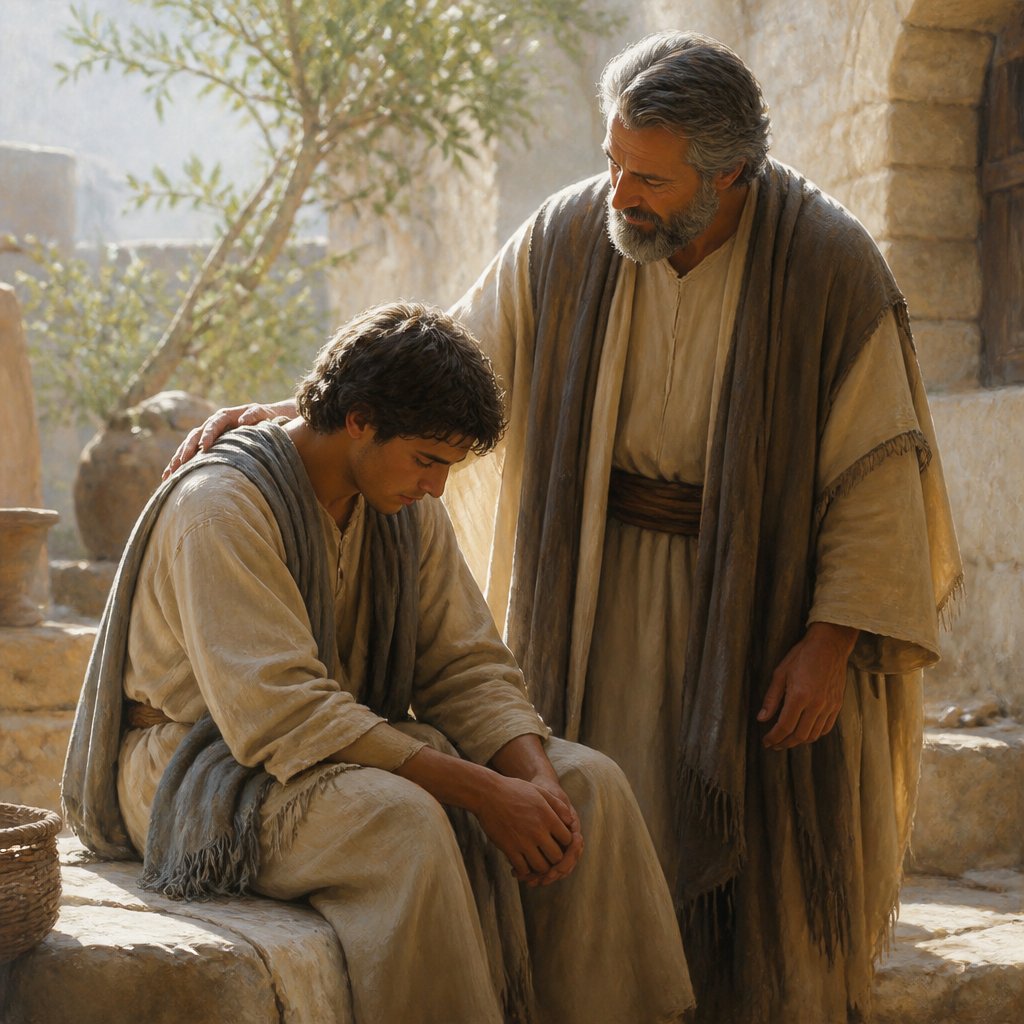
Hebrews 12:5 is a verse from the New Testament that offers a profound insight into the nature of God's love and discipline. The verse, as it appears in the King James Version (KJV), states: "And ye have forgotten the exhortation which speaketh unto you as unto children, My son, despise not thou the chastening of the Lord, nor faint when thou art rebuked of him." This verse is part of a larger passage in the Book of Hebrews that discusses the discipline of the Lord and the importance of enduring hardship and correction.
The context of Hebrews 12:5 is essential for understanding its significance. The author of the Book of Hebrews is addressing a community of Jewish Christians who were undergoing persecution and facing challenges to their faith. In the preceding verses, the author exhorts the readers to run the race of faith with endurance, fixing their eyes on Jesus, the author and perfecter of their faith. The verse in question is part of a larger passage that teaches the readers about the loving discipline of the Lord and the importance of enduring hardship as a form of spiritual discipline.
The theme of discipline is central to Hebrews 12:5. The verse reminds the readers that they are God's children and should not despise the corrective measures that the Lord uses to shape their character and faith. The use of the word "chastening" in the KJV suggests the idea of correction or punishment that is intended for the spiritual growth and development of the believer. The verse also emphasizes the need for endurance and perseverance in the face of rebuke or hardship, echoing the earlier theme of running the race with endurance.
The verse also conveys the profound love of God for His children. The use of the term "My son" speaks to the intimate relationship between God and the believer, portraying God as a loving father who desires the best for His children. The exhortation to not despise the Lord's chastening is a reminder of God's care and concern for the spiritual well-being of His people, even in the midst of hardship and trials.
Symbolism plays a significant role in understanding the deeper meaning of Hebrews 12:5. The image of a father disciplining his children reflects the biblical concept of God as a loving and caring father. The idea of chastening and rebuke symbolizes the corrective measures that God uses to shape the character and faith of the believer. It also symbolizes the believer's willingness to submit to God's authority and trust in His divine wisdom, even in the midst of difficult circumstances.
In a broader theological sense, the verse speaks to the transformative power of God's discipline in the life of the believer. It emphasizes the idea that hardship and correction are integral parts of the Christian faith and are ultimately intended for the spiritual growth and maturity of the believer. The exhortation to not faint when rebuked by God underscores the importance of enduring hardship with faith and trust in God's purposes, knowing that His discipline is ultimately for our good.
Overall, Hebrews 12:5 offers a profound insight into the nature of God's love and discipline. It reminds believers of their identity as God's children and the importance of enduring hardship and correction as a form of spiritual discipline. The verse conveys a message of hope and encouragement, reminding believers of God's deep love and concern for their spiritual well-being, even in the midst of trials and challenges.
Get our apps


Artwork for Hebrews 12:5

Hebrews 12:5 - "And ye have forgotten the exhortation which speaketh unto you as unto children, My son, despise not thou the chastening of the Lord, nor faint when thou art rebuked of him:"

Hebrews 12:5-6 - "And have you completely forgotten this word of encouragement that addresses you as a father addresses his son? It says, “My son, do not make light of the Lord’s discipline, and do not lose heart when he rebukes you, because the Lord disciplines the one he loves, and he chastens everyone he accepts as his son.”"

Hebrews 12:5-7 - "And ye have forgotten the exhortation which speaketh unto you as unto children, My son, despise not thou the chastening of the Lord, nor faint when thou art rebuked of him: For whom the Lord loveth he chasteneth, and scourgeth every son whom he receiveth. If ye endure chastening, God dealeth with you as with sons; for what son is he whom the father chasteneth not?"
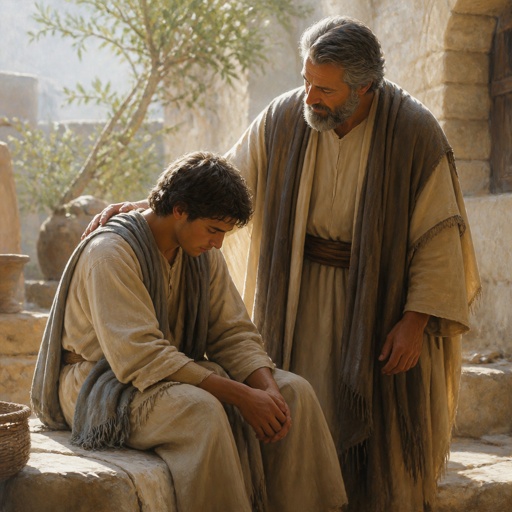
"And ye have forgotten the exhortation which speaketh unto you as unto children, My son, despise not thou the chastening of the Lord, nor faint when thou art rebuked of him:" - Hebrews 12:5

"And have you completely forgotten this word of encouragement that addresses you as a father addresses his son? It says, “My son, do not make light of the Lord’s discipline, and do not lose heart when he rebukes you, because the Lord disciplines the one he loves, and he chastens everyone he accepts as his son.”" - Hebrews 12:5-6

"And ye have forgotten the exhortation which speaketh unto you as unto children, My son, despise not thou the chastening of the Lord, nor faint when thou art rebuked of him: For whom the Lord loveth he chasteneth, and scourgeth every son whom he receiveth. If ye endure chastening, God dealeth with you as with sons; for what son is he whom the father chasteneth not?" - Hebrews 12:5-7

Hebrews 5:12 - "For when for the time ye ought to be teachers, ye have need that one teach you again which be the first principles of the oracles of God; and are become such as have need of milk, and not of strong meat."

Hebrews 12:8

Hebrews 8:5

Hebrews 12:12 - "Wherefore lift up the hands which hang down, and the feeble knees;"

Hebrews 8:1-5

Hebrews 10:5-10

Hebrews 10:5-10

Hebrews 12:29 - "For our God is a consuming fire."

Based on Hebrews 5:12, create an image of a Hebrew man writing to letter on a parchment scroll. The man is dressed in ancient middle-eastern garments, and sitting at a wooden desk in a small first century Jewish home. Through the window behind the desk, you can see the temple at a distance.

Based on Hebrews 5:12, create an image of a Hebrew man writing to letter on a parchment scroll. The man is dressed in ancient middle-eastern garments, and sitting at a wooden desk in a small first century Jewish home. Through the window behind the desk, you can see the temple at a distance.

Hebrews 7:12 - "For the priesthood being changed, there is made of necessity a change also of the law."

Hebrews 4:5 - "And in this place again, If they shall enter into my rest."

Hebrews 5:10 - "Called of God an high priest after the order of Melchisedec."

Hebrews 12:4 - "Ye have not yet resisted unto blood, striving against sin."

Hebrews 12:21 - "And so terrible was the sight, that Moses said, I exceedingly fear and quake:)"

Hebrews 4:12 – "For the word of God is alive and active. Sharper than any double-edged sword."

"For our God is a consuming fire." - Hebrews 12:29

Hebrews 8:12 - "For I will be merciful to their unrighteousness, and their sins and their iniquities will I remember no more."

Hebrews 6:5 - "And have tasted the good word of God, and the powers of the world to come,"

Hebrews 4:12 – "For the word of God is alive and active. Sharper than any double-edged sword."
!["For our God [is] a consuming fire." - Hebrews 12:29](https://media.bible.art/d7477ab1-fc4c-4821-93d4-74621f3df94b-thumbnail.jpg)
"For our God [is] a consuming fire." - Hebrews 12:29

Philippians 3:5 - "Circumcised the eighth day, of the stock of Israel, of the tribe of Benjamin, an Hebrew of the Hebrews; as touching the law, a Pharisee;"
!["For the word of God [is] quick, and powerful, and sharper than any twoedged sword, piercing even to the dividing asunder of soul and spirit, and of the joints and marrow, and [is] a discerner of the thoughts and intents of the heart." - Hebrews 4:12](https://media.bible.art/0705b859-7ae8-4ac8-9dce-49043e2ec43b-thumbnail.jpg)
"For the word of God [is] quick, and powerful, and sharper than any twoedged sword, piercing even to the dividing asunder of soul and spirit, and of the joints and marrow, and [is] a discerner of the thoughts and intents of the heart." - Hebrews 4:12

Hebrews 12:6 - "For whom the Lord loveth he chasteneth, and scourgeth every son whom he receiveth."