What does Hosea 13:16 mean?
“Samaria shall become desolate; for she hath rebelled against her God: they shall fall by the sword: their infants shall be dashed in pieces, and their women with child shall be ripped up.” — Hosea 13:16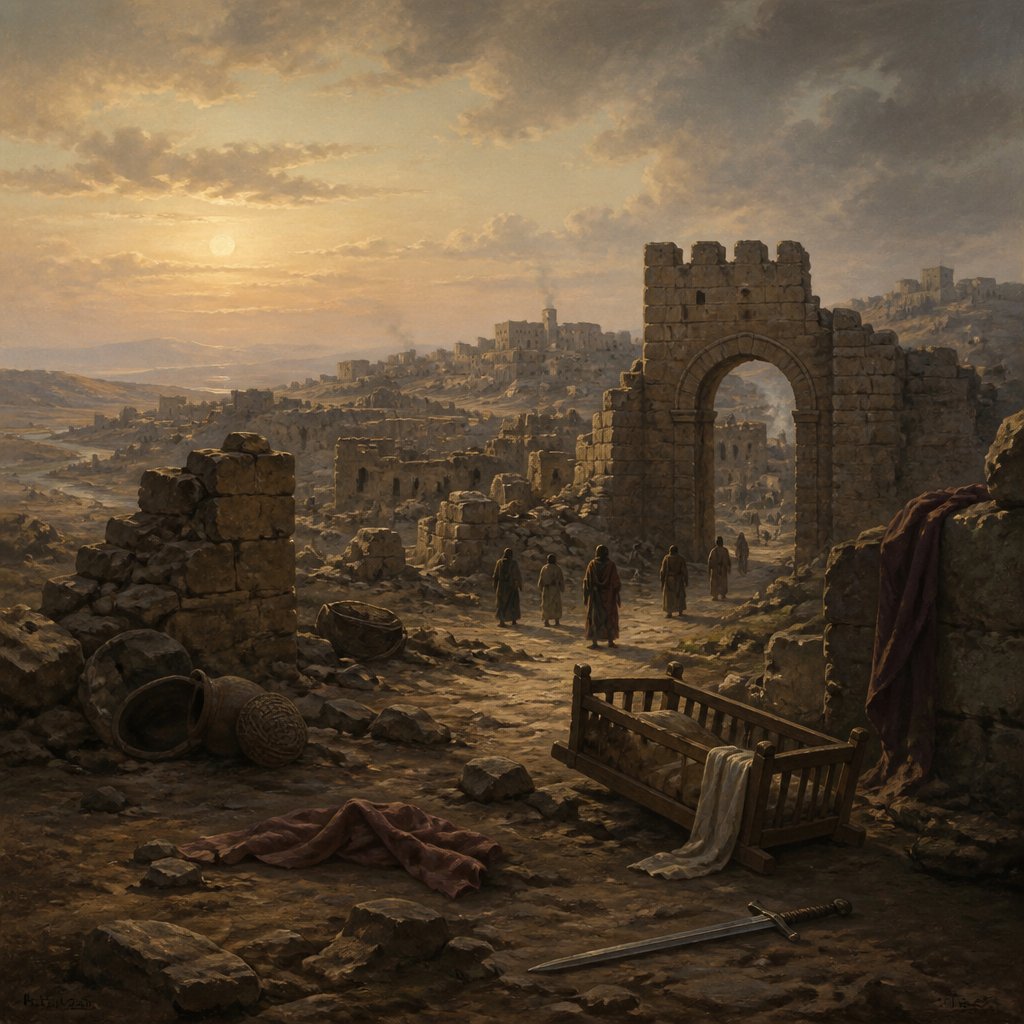
Hosea 13:16 in the King James Version (KJV) of the Bible reads: "Samaria shall become desolate; for she hath rebelled against her God: they shall fall by the sword: their infants shall be dashed in pieces, and their women with child shall be ripped up."
This verse comes from the book of Hosea, which is one of the twelve Minor Prophets in the Old Testament. Hosea was a prophet who lived in the kingdom of Israel during the reign of Jeroboam II. The book of Hosea is a collection of prophecies proclaiming both the love and faithfulness of God and the unfaithfulness of Israel. It is written in the form of a dramatic love story between Hosea and his unfaithful wife, Gomer, which serves as a metaphor for the relationship between God and the unfaithful nation of Israel.
Hosea 13:16 is a particularly dark and grim prophecy, foretelling the destruction and desolation of Samaria, which was the capital of the northern kingdom of Israel. The city of Samaria is personified as a rebellious woman who has turned away from her God and is therefore about to face severe judgment. The verse describes the violent and gruesome nature of this judgment, including death by the sword, the killing of infants, and the brutal treatment of pregnant women.
The themes present in this verse are judgment, rebellion, and consequences. It illustrates the severity of God's judgment upon those who have turned away from Him and rebelled against His will. The imagery of violence and destruction serves as a warning to the people of Israel regarding the consequences of their unfaithfulness and disobedience.
The context of this verse must be understood within the larger narrative of the book of Hosea. Throughout the book, Hosea uses the metaphor of marriage and adultery to convey God's relationship with Israel. Israel is portrayed as an unfaithful wife who has abandoned her husband (God) and pursued other gods and alliances. In response to this unfaithfulness, God pronounces judgment and warns of the impending destruction and exile that will come as a result.
The symbolism in this verse is rich and deeply disturbing. The desolation of Samaria signifies the complete ruin and devastation that will come upon the northern kingdom of Israel. The violent imagery of infants being dashed in pieces and pregnant women being ripped up is meant to shock and horrify the reader, underscoring the severity of God's judgment. It serves as a graphic and unsettling portrayal of the consequences of Israel's rebellion and unfaithfulness.
It is important to note that this verse, like much of the Old Testament, reflects the historical and cultural context in which it was written. The use of such harsh language and imagery was common in ancient Near Eastern prophetic literature, and it was intended to convey the severity of God's judgment in a way that would resonate with the people of that time.
While the imagery in this verse may be difficult for modern readers to grapple with, it is essential to understand it within the broader theological framework of the Bible. The Old Testament portrays a God who is just and righteous, and who will hold His people accountable for their actions. The judgment described in Hosea 13:16 is a sobering reminder of the consequences of rebellion and unfaithfulness, as well as the seriousness of God's response to sin.
In conclusion, Hosea 13:16 is a powerful and disturbing prophecy that speaks to the consequences of rebellion and unfaithfulness. It serves as a stark warning of the judgment that awaits those who turn away from God and pursue their own desires. While the imagery may be unsettling, it is a reminder of the seriousness of God's response to sin and the importance of remaining faithful to Him.
Get our apps


Artwork for Hosea 13:16
"Samaria shall become desolate; for she hath rebelled against her God: they shall fall by the sword: their infants shall be dashed in pieces, and their women with child shall be ripped up." - Hosea 13:16

Hosea 13:12 - "The iniquity of Ephraim is bound up; his sin is hid."

Hosea 13:5 - "¶ I did know thee in the wilderness, in the land of great drought."

Hosea 12:13 - "And by a prophet the LORD brought Israel out of Egypt, and by a prophet was he preserved."
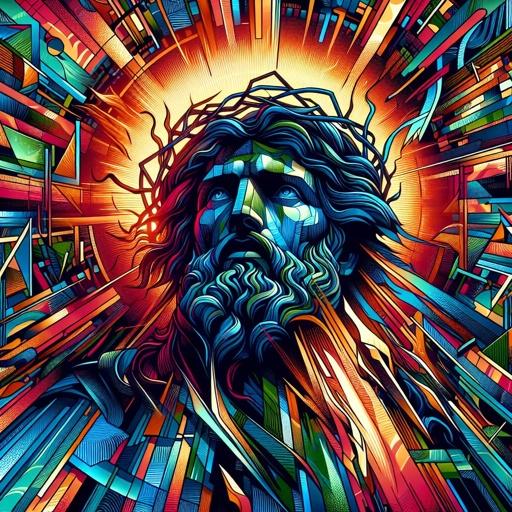
Hosea 13:9 - "¶ O Israel, thou hast destroyed thyself; but in me is thine help."

Hosea 13:7 - "Therefore I will be unto them as a lion: as a leopard by the way will I observe them:"

Hosea 13:13 - "The sorrows of a travailing woman shall come upon him: he is an unwise son; for he should not stay long in the place of the breaking forth of children."

Hosea 4:16 - "For Israel slideth back as a backsliding heifer: now the LORD will feed them as a lamb in a large place."

Hosea 13:11 - "I gave thee a king in mine anger, and took him away in my wrath."

Hosea 13:6 - "According to their pasture, so were they filled; they were filled, and their heart was exalted; therefore have they forgotten me."

Hosea 2:16 - "And it shall be at that day, saith the LORD, that thou shalt call me Ishi; and shalt call me no more Baali."

Hosea 9:13 - "Ephraim, as I saw Tyrus, is planted in a pleasant place: but Ephraim shall bring forth his children to the murderer."

Hosea 13:1 - "When Ephraim spake trembling, he exalted himself in Israel; but when he offended in Baal, he died."
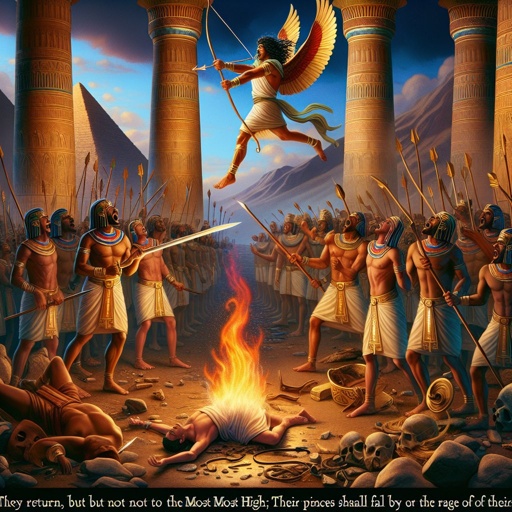
Hosea 7:16 - "They return, but not to the most High: they are like a deceitful bow: their princes shall fall by the sword for the rage of their tongue: this shall be their derision in the land of Egypt."
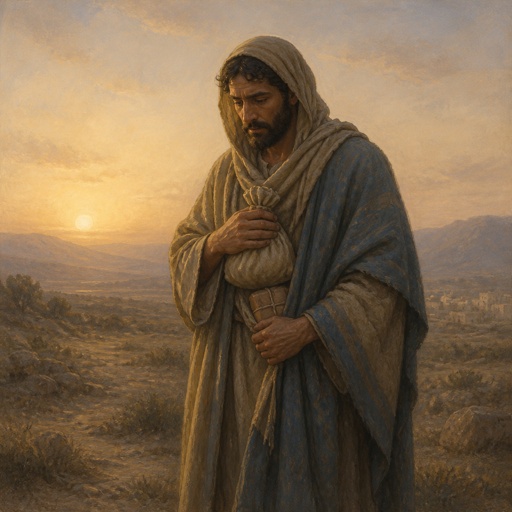
"The iniquity of Ephraim is bound up; his sin is hid." - Hosea 13:12

Hosea 13:3 - "Therefore they shall be as the morning cloud, and as the early dew that passeth away, as the chaff that is driven with the whirlwind out of the floor, and as the smoke out of the chimney."

Hosea 13:4 - "Yet I am the LORD thy God from the land of Egypt, and thou shalt know no god but me: for there is no saviour beside me."
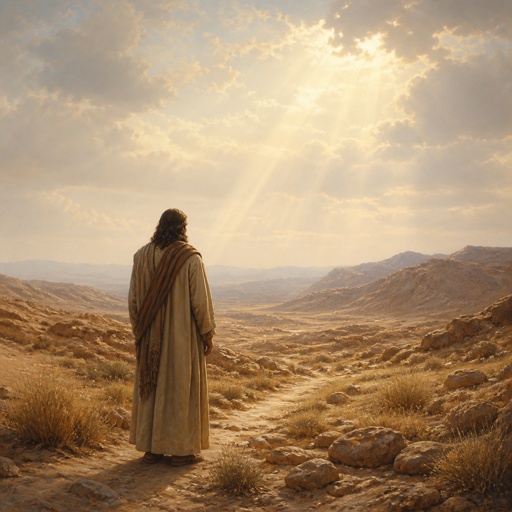
"¶ I did know thee in the wilderness, in the land of great drought." - Hosea 13:5

Hosea 9:16 - "Ephraim is smitten, their root is dried up, they shall bear no fruit: yea, though they bring forth, yet will I slay even the beloved fruit of their womb."

Hosea 8:13 - "They sacrifice flesh for the sacrifices of mine offerings, and eat it; but the LORD accepteth them not; now will he remember their iniquity, and visit their sins: they shall return to Egypt."
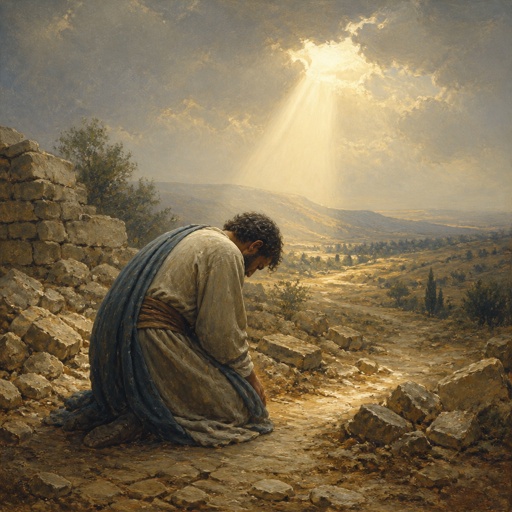
"¶ O Israel, thou hast destroyed thyself; but in me is thine help." - Hosea 13:9
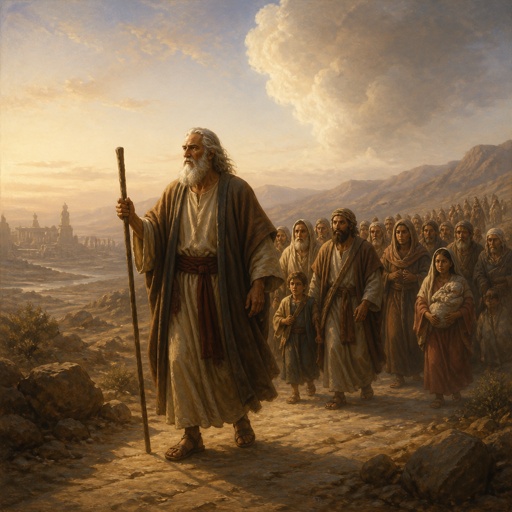
"And by a prophet the LORD brought Israel out of Egypt, and by a prophet was he preserved." - Hosea 12:13

Hosea 13:10 - "I will be thy king: where is any other that may save thee in all thy cities? and thy judges of whom thou saidst, Give me a king and princes?"
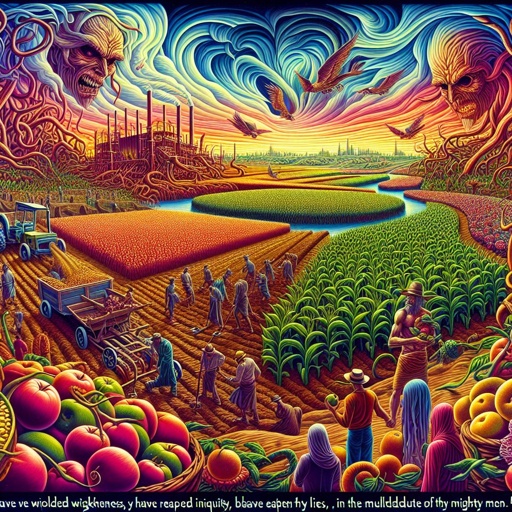
Hosea 10:13 - "Ye have plowed wickedness, ye have reaped iniquity; ye have eaten the fruit of lies: because thou didst trust in thy way, in the multitude of thy mighty men."
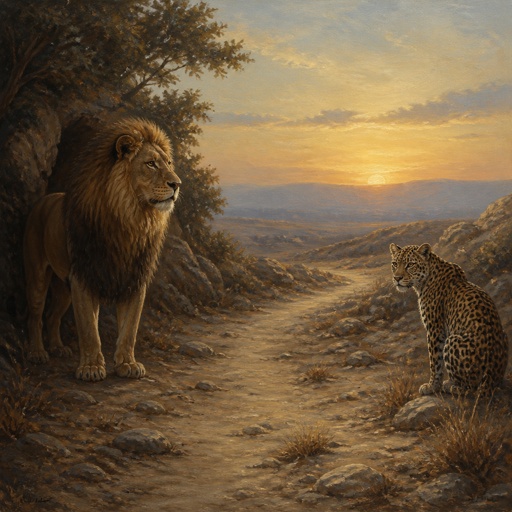
"Therefore I will be unto them as a lion: as a leopard by the way will I observe them:" - Hosea 13:7
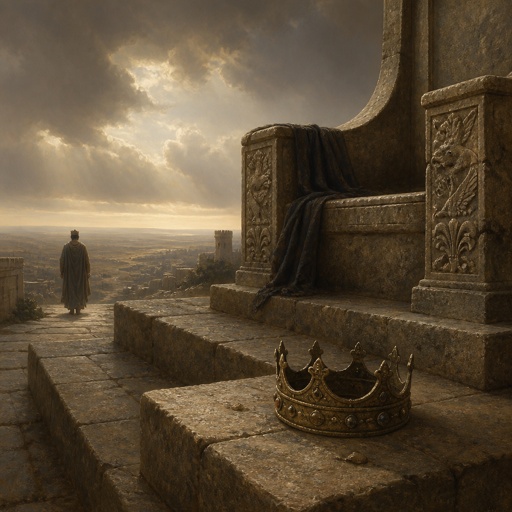
"I gave thee a king in mine anger, and took him away in my wrath." - Hosea 13:11

Hosea 13:2 - "And now they sin more and more, and have made them molten images of their silver, and idols according to their own understanding, all of it the work of the craftsmen: they say of them, Let the men that sacrifice kiss the calves."

Hosea 5:13 - "When Ephraim saw his sickness, and Judah saw his wound, then went Ephraim to the Assyrian, and sent to king Jareb: yet could he not heal you, nor cure you of your wound."
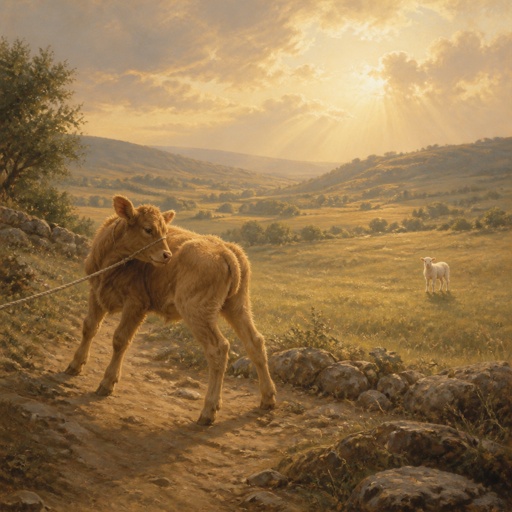
"For Israel slideth back as a backsliding heifer: now the LORD will feed them as a lamb in a large place." - Hosea 4:16

Hosea 2:13 - "And I will visit upon her the days of Baalim, wherein she burned incense to them, and she decked herself with her earrings and her jewels, and she went after her lovers, and forgat me, saith the LORD."