What does Hosea 2:16 mean?
“And it shall be at that day, saith the LORD, that thou shalt call me Ishi; and shalt call me no more Baali.” — Hosea 2:16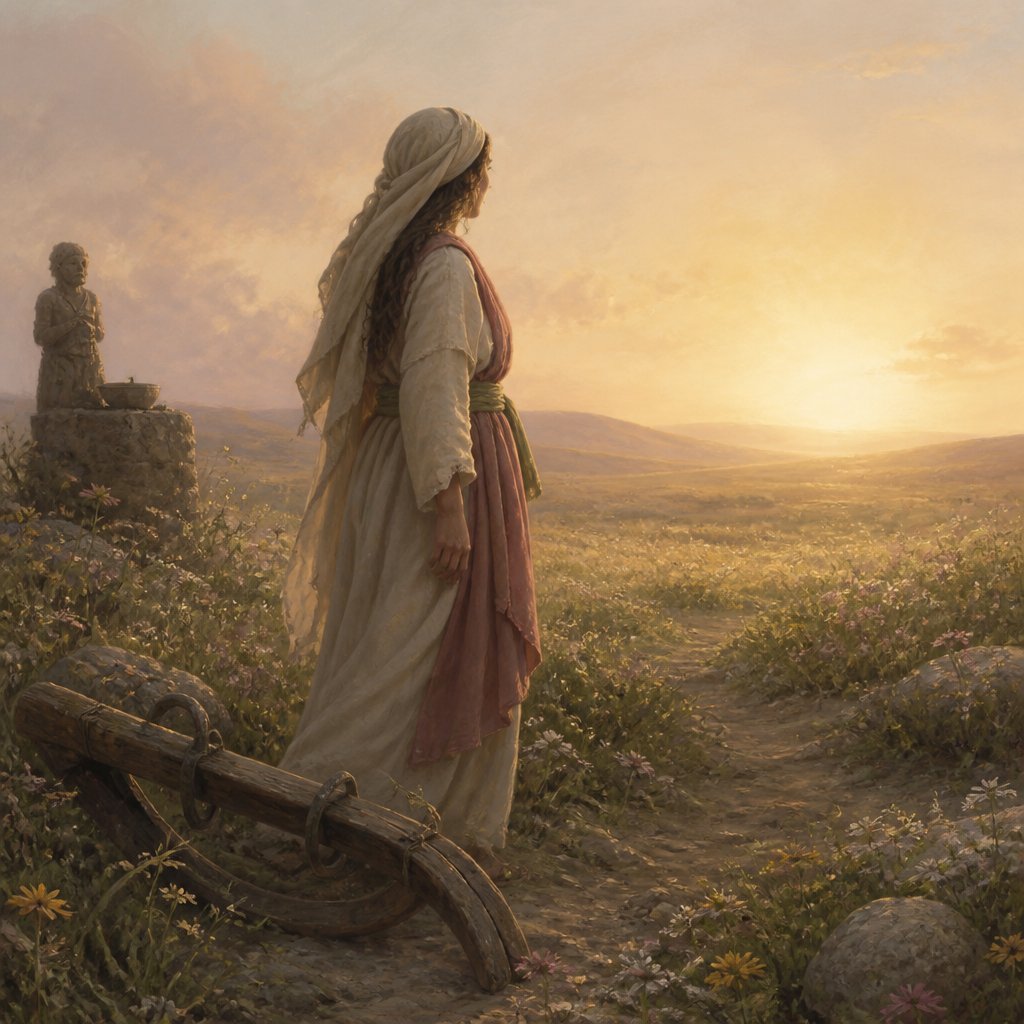
In order to provide a detailed and in-depth analysis of Hosea 2:16, it is necessary to first understand the contexts in which the verse is situated. The book of Hosea is one of the Minor Prophets in the Old Testament, and it is named after its author, a prophet named Hosea, who prophesied to the northern kingdom of Israel during a time of great spiritual and moral decline. The book is largely a metaphorical depiction of the relationship between God and his people, using the imagery of a husband and unfaithful wife to illustrate the unfaithfulness and spiritual adultery of Israel.
Hosea 2:16, in the King James Version, reads: "And it shall be at that day, saith the LORD, that thou shalt call me Ishi; and shalt call me no more Baali." This verse is part of a larger passage in which God, through Hosea, is speaking to Israel about the restoration of their relationship with him. The verse is significant because it marks a turning point in the relationship between God and Israel. The names Ishi and Baali are used symbolically to represent how Israel relates to God.
The name Ishi means "my husband" or "my man," and in this context, it represents a loving and intimate relationship. In contrast, the name Baali means "my master" or "my lord," and it conveys a sense of control or domination. In ancient Canaanite culture, Baal was a god associated with fertility and the agricultural cycle, and his worship often included rituals that were seen as inappropriate by the Israelites. The use of the name Baali to refer to God reflects the Israelites' shallow and transactional relationship with God, viewing Him as a provider of material blessings rather than a loving husband.
Therefore, when God says that Israel will no longer call Him Baali but Ishi, He is declaring his intention to eliminate the transactional nature of the relationship and restore it to one of love, intimacy, and mutual respect. The verse emphasizes the profound transformation that will take place in the relationship between God and His people, symbolizing a shift from a shallow, materialistic faith to a deep, personal, and loving relationship.
The broader context of Hosea 2:16 speaks to the theme of restoration and redemption. Throughout the book, Hosea uses the analogy of a broken marriage to illustrate the broken relationship between God and Israel. Despite Israel's unfaithfulness and idolatry, God continues to offer them the opportunity for reconciliation and a renewed covenant. The verse reflects God's unwavering commitment to his people and His desire to restore them to a right relationship with Him.
In addition to its thematic significance, Hosea 2:16 also has symbolic implications. In ancient Near Eastern cultures, names held great significance and were often used to convey a person's character or relationship with others. In this verse, the names Ishi and Baali are used as symbols to represent the nature of the relationship between God and Israel, highlighting the shift from a distant, transactional relationship to an intimate, loving one.
In conclusion, Hosea 2:16 is a powerful and profound verse that encapsulates the themes of restoration, redemption, and renewed relationship between God and His people. The verse highlights the symbolic significance of names and the transformative nature of God's love, emphasizing His desire for a deep, personal connection with His people. The verse serves as a reminder of God's faithfulness and His willingness to restore and reconcile with His people, even in the face of their unfaithfulness.
Get our apps


Artwork for Hosea 2:16

Hosea 2:16 - "And it shall be at that day, saith the LORD, that thou shalt call me Ishi; and shalt call me no more Baali."
"And it shall be at that day, saith the LORD, that thou shalt call me Ishi; and shalt call me no more Baali." - Hosea 2:16
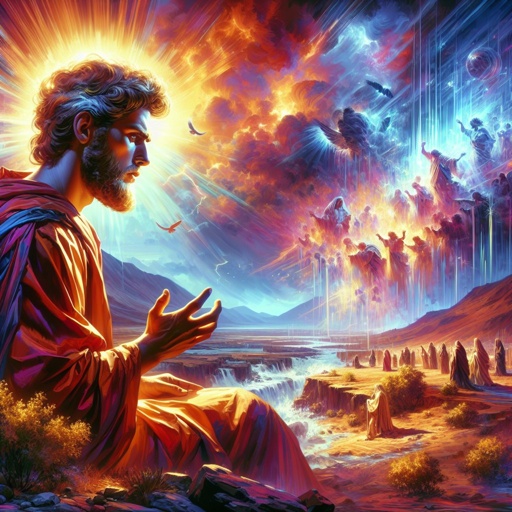
Hosea 1:2 - "The beginning of the word of the LORD by Hosea. And the LORD said to Hosea, Go, take unto thee a wife of whoredoms and children of whoredoms: for the land hath committed great whoredom, departing from the LORD."

Hosea 1:2

Hosea 1:2

Hosea 4:16 - "For Israel slideth back as a backsliding heifer: now the LORD will feed them as a lamb in a large place."
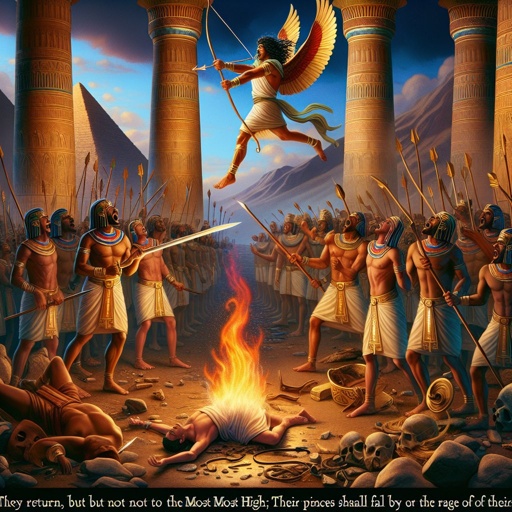
Hosea 7:16 - "They return, but not to the most High: they are like a deceitful bow: their princes shall fall by the sword for the rage of their tongue: this shall be their derision in the land of Egypt."

Hosea 1:2-11;2:14;3:5

Hosea 2:4 - "And I will not have mercy upon her children; for they be the children of whoredoms."

Hosea 9:16 - "Ephraim is smitten, their root is dried up, they shall bear no fruit: yea, though they bring forth, yet will I slay even the beloved fruit of their womb."

Hosea 2:22 - "And the earth shall hear the corn, and the wine, and the oil; and they shall hear Jezreel."

Hosea 2:1 - "Say ye unto your brethren, Ammi; and to your sisters, Ruhamah."

Hosea 5:2 - "And the revolters are profound to make slaughter, though I have been a rebuker of them all."

Hosea 4:2 - "By swearing, and lying, and killing, and stealing, and committing adultery, they break out, and blood toucheth blood."

Hosea 9:2 - "The floor and the winepress shall not feed them, and the new wine shall fail in her."

Hosea 8:2 - "Israel shall cry unto me, My God, we know thee."

Hosea 2:14 - "¶ Therefore, behold, I will allure her, and bring her into the wilderness, and speak comfortably unto her."

Hosea 2:17 - "For I will take away the names of Baalim out of her mouth, and they shall no more be remembered by their name."

Hosea 2:20 - "I will even betroth thee unto me in faithfulness: and thou shalt know the LORD."
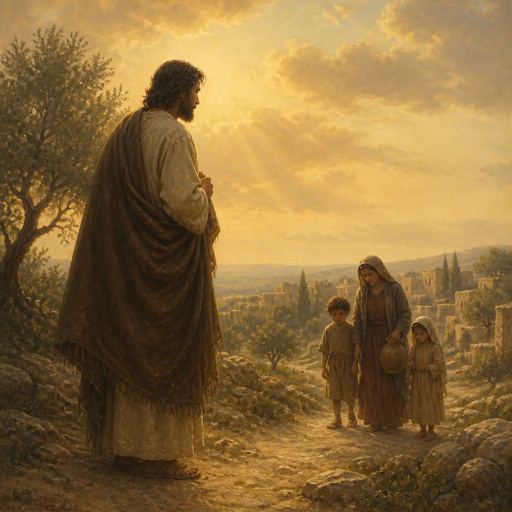
"The beginning of the word of the LORD by Hosea. And the LORD said to Hosea, Go, take unto thee a wife of whoredoms and children of whoredoms: for the land hath committed great whoredom, departing from the LORD." - Hosea 1:2

Hosea 3:2 - "So I bought her to me for fifteen pieces of silver, and for an homer of barley, and an half homer of barley:"

Hosea 2:21 - "And it shall come to pass in that day, I will hear, saith the LORD, I will hear the heavens, and they shall hear the earth;"

Hosea 11:2 - "As they called them, so they went from them: they sacrificed unto Baalim, and burned incense to graven images."

Hosea 2:6 - "¶ Therefore, behold, I will hedge up thy way with thorns, and make a wall, that she shall not find her paths."

Hosea 2:10 - "And now will I discover her lewdness in the sight of her lovers, and none shall deliver her out of mine hand."

Hosea 2:14-15 – "Therefore I am now going to allure her; I will lead her into the wilderness and speak tenderly to her."

Hosea 2:14-15 – "Therefore I am now going to allure her; I will lead her into the wilderness and speak tenderly to her."
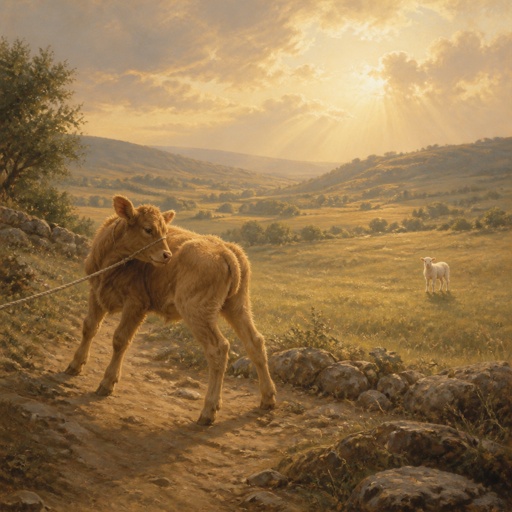
"For Israel slideth back as a backsliding heifer: now the LORD will feed them as a lamb in a large place." - Hosea 4:16

Hosea 2:19 - "And I will betroth thee unto me for ever; yea, I will betroth thee unto me in righteousness, and in judgment, and in lovingkindness, and in mercies."

Hosea 12:2 - "The LORD hath also a controversy with Judah, and will punish Jacob according to his ways; according to his doings will he recompense him."