What does Hosea 2:19 mean?
“And I will betroth thee unto me for ever; yea, I will betroth thee unto me in righteousness, and in judgment, and in lovingkindness, and in mercies.” — Hosea 2:19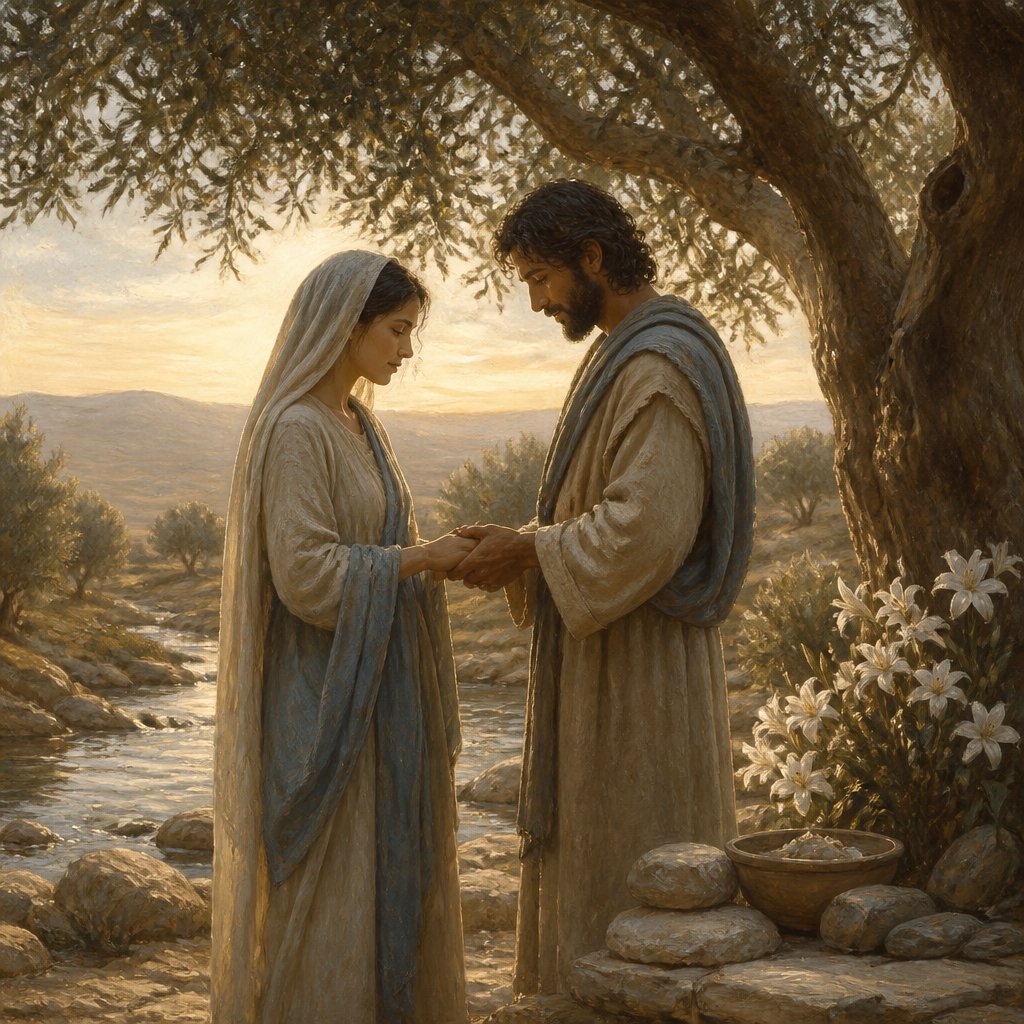
Hosea 2:19 (KJV) - "And I will betroth thee unto me for ever; yea, I will betroth thee unto me in righteousness, and in judgment, and in lovingkindness, and in mercies."
The book of Hosea is a part of the Old Testament, and it contains a powerful message of God's love and faithfulness to his people. The book is filled with themes of love, faithfulness, forgiveness, and redemption, and Hosea 2:19 is a perfect example of these themes.
In this verse, God is speaking to the nation of Israel, using the metaphor of a marriage proposal to illustrate his relationship with them. The language of "betroth" is rich with symbolism, as betrothal in ancient Israel was a binding promise to marry, which could only be broken by divorce. By using this language, God is emphasizing the permanence and commitment of his love for his people.
The verse begins with the promise, "And I will betroth thee unto me for ever," emphasizing the eternal nature of God's commitment to Israel. This conveys the idea that God's love is unwavering and unending, regardless of the circumstances or the actions of his people. It speaks to the unchanging nature of God and his faithfulness to his covenant with the nation of Israel.
The verse continues, "yea, I will betroth thee unto me in righteousness, and in judgment, and in lovingkindness, and in mercies." This line highlights the qualities of God's commitment to his people. The mention of "righteousness" and "judgment" reflects God's justice and fairness, indicating that his love is founded on moral excellence and integrity. This serves as a reminder that God's love is not arbitrary, but rather based on the principles of goodness and truth.
The inclusion of "lovingkindness" and "mercies" further emphasizes the compassionate and tender nature of God's love. These words convey a sense of deep affection and caring, indicating that God's love is not only just and fair, but also filled with compassion and grace. It reminds us that God's love is not just a legal obligation, but a genuine outpouring of kindness and mercy towards his people.
Overall, Hosea 2:19 is a powerful expression of God's enduring love and faithfulness to his people. It is a beautiful portrayal of the depth and richness of God's love, which is founded on righteousness, justice, lovingkindness, and mercies. It conveys the idea that God's love is unwavering and eternal, and it is characterized by moral excellence, compassion, and grace.
In the context of the book of Hosea, this verse serves as a reminder of God's relentless pursuit of his people, despite their faithlessness and sin. The prophet Hosea uses the metaphor of a broken and unfaithful marriage to illustrate the broken relationship between God and Israel. Despite Israel's unfaithfulness, God continues to reach out to them with love and forgiveness, seeking to restore their relationship and renew their covenant.
The verse also reflects the broader theme of redemption and restoration that runs throughout the Bible. It highlights the idea that no matter how far we may stray, God's love remains constant and steadfast, and he is always ready to welcome us back into his loving embrace.
In a larger theological context, Hosea 2:19 can also be seen as a foreshadowing of the ultimate betrothal between Christ and his bride, the church. In the New Testament, the relationship between Christ and the church is often described in terms of a marriage, with Christ as the bridegroom and the church as his bride. This verse beautifully captures the essence of this eternal and loving relationship, which is sealed in righteousness, judgment, lovingkindness, and mercies.
In conclusion, Hosea 2:19 is a powerful and beautiful expression of God's love and faithfulness. It reminds us of the eternal nature of God's commitment to his people and the depth of his love, which is characterized by righteousness, justice, lovingkindness, and mercies. It serves as a comforting and reassuring message of God's unwavering love, and it continues to inspire and uplift believers across the ages.
Get our apps


Artwork for Hosea 2:19

Hosea 2:19 - "And I will betroth thee unto me for ever; yea, I will betroth thee unto me in righteousness, and in judgment, and in lovingkindness, and in mercies."
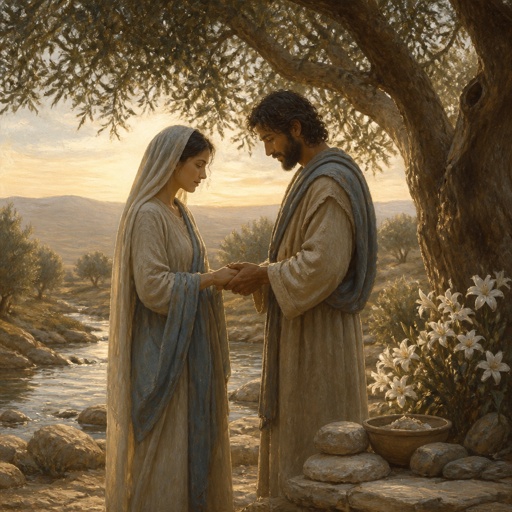
"And I will betroth thee unto me for ever; yea, I will betroth thee unto me in righteousness, and in judgment, and in lovingkindness, and in mercies." - Hosea 2:19

Hosea 4:19 - "The wind hath bound her up in her wings, and they shall be ashamed because of their sacrifices."

Hosea 1:2 - "The beginning of the word of the LORD by Hosea. And the LORD said to Hosea, Go, take unto thee a wife of whoredoms and children of whoredoms: for the land hath committed great whoredom, departing from the LORD."

Hosea 1:2

Hosea 1:2

Hosea 1:2-11;2:14;3:5

Hosea 2:4 - "And I will not have mercy upon her children; for they be the children of whoredoms."

Hosea 2:22 - "And the earth shall hear the corn, and the wine, and the oil; and they shall hear Jezreel."

Hosea 2:1 - "Say ye unto your brethren, Ammi; and to your sisters, Ruhamah."

Hosea 5:2 - "And the revolters are profound to make slaughter, though I have been a rebuker of them all."

Hosea 4:2 - "By swearing, and lying, and killing, and stealing, and committing adultery, they break out, and blood toucheth blood."

Hosea 9:2 - "The floor and the winepress shall not feed them, and the new wine shall fail in her."

Hosea 8:2 - "Israel shall cry unto me, My God, we know thee."
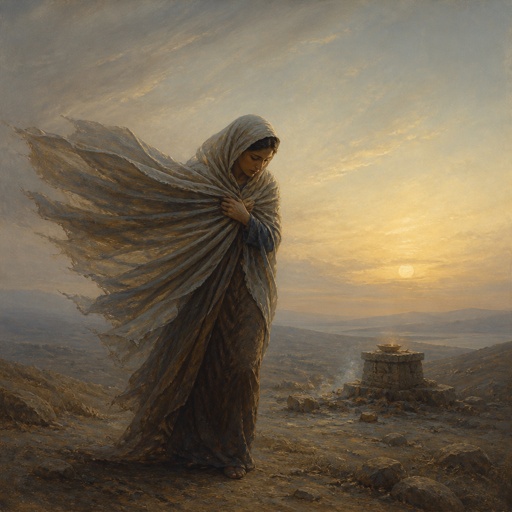
"The wind hath bound her up in her wings, and they shall be ashamed because of their sacrifices." - Hosea 4:19

Hosea 2:14 - "¶ Therefore, behold, I will allure her, and bring her into the wilderness, and speak comfortably unto her."

Hosea 2:17 - "For I will take away the names of Baalim out of her mouth, and they shall no more be remembered by their name."

Hosea 2:20 - "I will even betroth thee unto me in faithfulness: and thou shalt know the LORD."
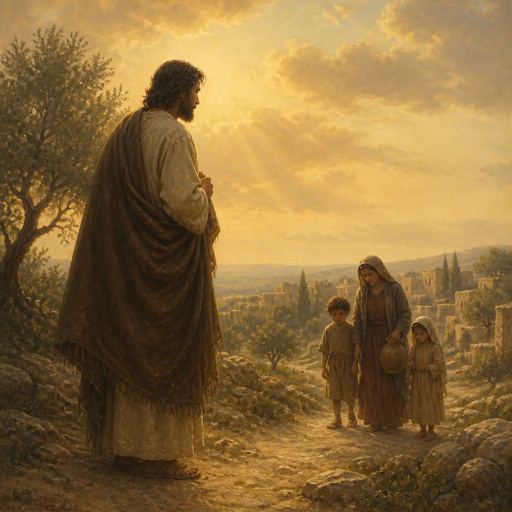
"The beginning of the word of the LORD by Hosea. And the LORD said to Hosea, Go, take unto thee a wife of whoredoms and children of whoredoms: for the land hath committed great whoredom, departing from the LORD." - Hosea 1:2

Hosea 3:2 - "So I bought her to me for fifteen pieces of silver, and for an homer of barley, and an half homer of barley:"

Hosea 2:21 - "And it shall come to pass in that day, I will hear, saith the LORD, I will hear the heavens, and they shall hear the earth;"

Hosea 11:2 - "As they called them, so they went from them: they sacrificed unto Baalim, and burned incense to graven images."

Hosea 2:6 - "¶ Therefore, behold, I will hedge up thy way with thorns, and make a wall, that she shall not find her paths."

Hosea 2:10 - "And now will I discover her lewdness in the sight of her lovers, and none shall deliver her out of mine hand."

Hosea 2:14-15 – "Therefore I am now going to allure her; I will lead her into the wilderness and speak tenderly to her."

Hosea 2:14-15 – "Therefore I am now going to allure her; I will lead her into the wilderness and speak tenderly to her."

Hosea 2:16 - "And it shall be at that day, saith the LORD, that thou shalt call me Ishi; and shalt call me no more Baali."

Hosea 12:2 - "The LORD hath also a controversy with Judah, and will punish Jacob according to his ways; according to his doings will he recompense him."

Hosea 10:2 - "Their heart is divided; now shall they be found faulty: he shall break down their altars, he shall spoil their images."

Hosea 2:8 - "For she did not know that I gave her corn, and wine, and oil, and multiplied her silver and gold, which they prepared for Baal."