What does Hosea 9:16 mean?
“Ephraim is smitten, their root is dried up, they shall bear no fruit: yea, though they bring forth, yet will I slay even the beloved fruit of their womb.” — Hosea 9:16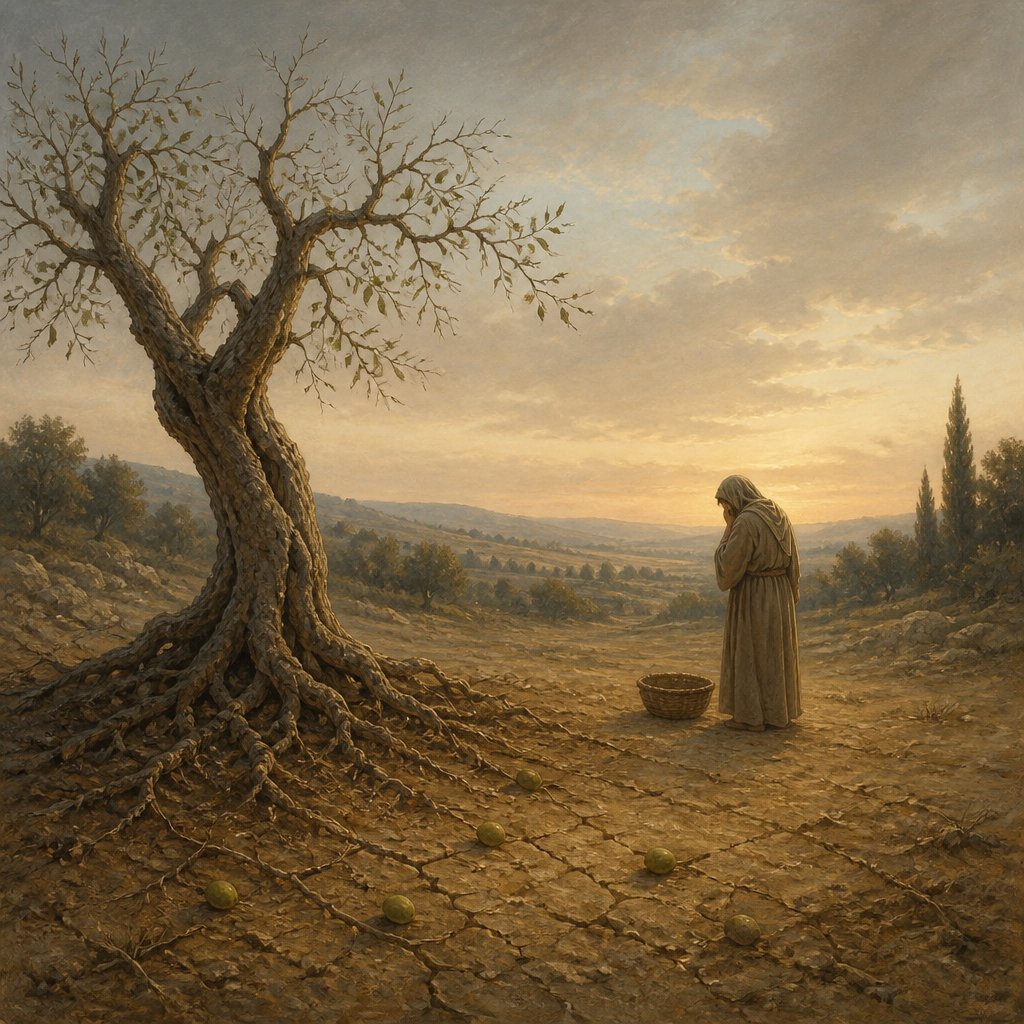
Sure, here is a detailed commentary on the Bible verse Hosea 9:16 from the King James Version:
"Hosea 9:16 (KJV) - Ephraim is smitten, their root is dried up, they shall bear no fruit: yea, though they bring forth, yet will I slay even the beloved fruit of their womb."
The book of Hosea is one of the twelve Minor Prophets in the Hebrew Bible. It is a powerful and moving account of the prophet's marriage to an unfaithful woman, which serves as a metaphor for the unfaithfulness of the Israelites to God. In this verse, the prophet Hosea describes a dire situation for the people of Ephraim, one of the tribes of Israel.
There are several themes present in this verse, including judgment, consequences of sin, and the faithfulness of God. The verse speaks to the idea that when people turn away from God and sin, there are severe consequences that follow. The people of Ephraim have been "smitten" or struck down, their "root is dried up," and as a result, they will "bear no fruit." This is a powerful metaphor for the spiritual condition of the Israelites at the time, as their unfaithfulness has led to a state of spiritual barrenness.
The verse also speaks to the faithfulness of God in carrying out judgment. Despite the people's attempts to bear fruit, God declares that he will "slay even the beloved fruit of their womb." This emphasizes the severity of God's judgment and the extent to which he will go to bring about justice and righteousness.
In the context of the book of Hosea, this verse is part of a larger passage in which the prophet laments the spiritual condition of the Israelites and pronounces judgment upon them. The imagery of fruitlessness and barrenness is a recurring theme throughout the book, symbolizing the lack of spiritual productivity and fertility that has resulted from the people's unfaithfulness.
The symbolism in this verse is rich and profound. The image of a dried-up root speaks to the idea of spiritual desolation and decay. In biblical imagery, the root is often associated with stability, nourishment, and life. By describing the root as dried up, Hosea is emphasizing the extent to which the people have turned away from God and have cut themselves off from the source of life and sustenance.
The mention of the beloved fruit of their womb further emphasizes the severity of God's judgment. The imagery of fruitfulness and offspring is often used in the Bible to symbolize abundance, blessing, and promise. Here, however, the beloved fruit will be slain, signaling a tragic and devastating end to the people's hopes and dreams.
Overall, Hosea 9:16 is a powerful and poignant reflection on the consequences of unfaithfulness and the faithfulness of God in carrying out justice. It serves as a warning to the Israelites and to all readers of the Bible about the dangers of turning away from God and the inevitable consequences that follow. Despite the grim picture painted in this verse, there is also hope and the possibility of restoration, as the book of Hosea ultimately points to God's enduring love and faithfulness towards his people.
Get our apps


Artwork for Hosea 9:16

Hosea 9:16 - "Ephraim is smitten, their root is dried up, they shall bear no fruit: yea, though they bring forth, yet will I slay even the beloved fruit of their womb."
"Ephraim is smitten, their root is dried up, they shall bear no fruit: yea, though they bring forth, yet will I slay even the beloved fruit of their womb." - Hosea 9:16

Hosea 9:9 - "They have deeply corrupted themselves, as in the days of Gibeah: therefore he will remember their iniquity, he will visit their sins."

Hosea 13:9 - "¶ O Israel, thou hast destroyed thyself; but in me is thine help."

Hosea 9:5 - "What will ye do in the solemn day, and in the day of the feast of the LORD?"

Hosea 4:16 - "For Israel slideth back as a backsliding heifer: now the LORD will feed them as a lamb in a large place."

Hosea 9:2 - "The floor and the winepress shall not feed them, and the new wine shall fail in her."

Hosea 6:9 - "And as troops of robbers wait for a man, so the company of priests murder in the way by consent: for they commit lewdness."

Hosea 8:9 - "For they are gone up to Assyria, a wild ass alone by himself: Ephraim hath hired lovers."

Hosea 2:16 - "And it shall be at that day, saith the LORD, that thou shalt call me Ishi; and shalt call me no more Baali."

Hosea 1:9 - "Then said God, Call his name Lo-ammi: for ye are not my people, and I will not be your God."

Hosea 9:3 - "They shall not dwell in the LORD'S land; but Ephraim shall return to Egypt, and they shall eat unclean things in Assyria."

Hosea 9:11 - "As for Ephraim, their glory shall fly away like a bird, from the birth, and from the womb, and from the conception."

Hosea 4:9 - "And there shall be, like people, like priest: and I will punish them for their ways, and reward them their doings."

Hosea 9:13 - "Ephraim, as I saw Tyrus, is planted in a pleasant place: but Ephraim shall bring forth his children to the murderer."

Hosea 9:17 - "My God will cast them away, because they did not hearken unto him: and they shall be wanderers among the nations."

Hosea 9:8 - "The watchman of Ephraim was with my God: but the prophet is a snare of a fowler in all his ways, and hatred in the house of his God."
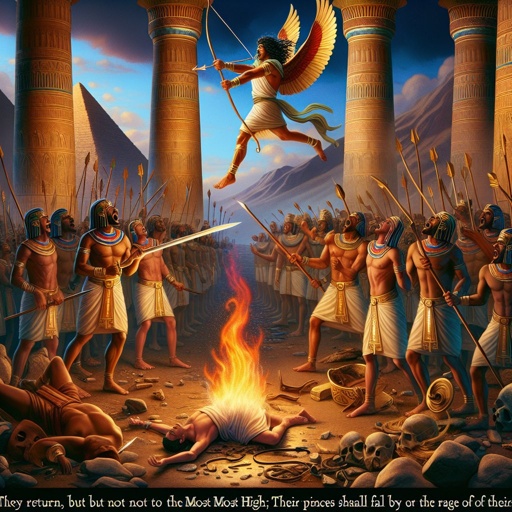
Hosea 7:16 - "They return, but not to the most High: they are like a deceitful bow: their princes shall fall by the sword for the rage of their tongue: this shall be their derision in the land of Egypt."

Hosea 5:9 - "Ephraim shall be desolate in the day of rebuke: among the tribes of Israel have I made known that which shall surely be."
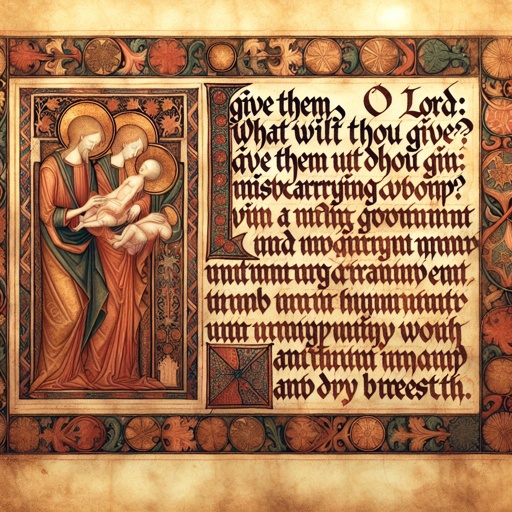
Hosea 9:14 - "Give them, O LORD: what wilt thou give? give them a miscarrying womb and dry breasts."

Hosea 7:9 - "Strangers have devoured his strength, and he knoweth it not: yea, gray hairs are here and there upon him, yet he knoweth not."

Hosea 12:9 - "And I that am the LORD thy God from the land of Egypt will yet make thee to dwell in tabernacles, as in the days of the solemn feast."

Hosea 10:9 - "O Israel, thou hast sinned from the days of Gibeah: there they stood: the battle in Gibeah against the children of iniquity did not overtake them."
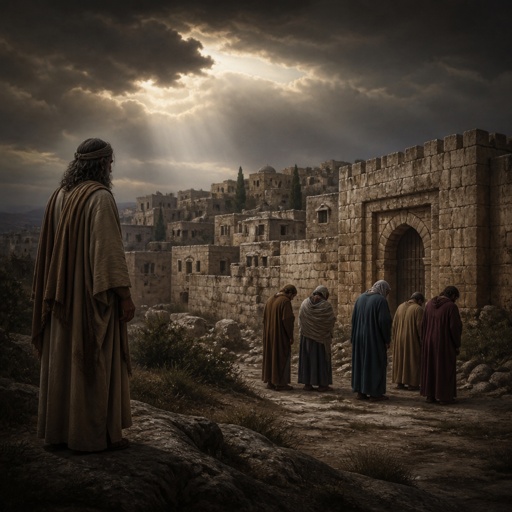
"They have deeply corrupted themselves, as in the days of Gibeah: therefore he will remember their iniquity, he will visit their sins." - Hosea 9:9

Hosea 9:7 - "The days of visitation are come, the days of recompence are come; Israel shall know it: the prophet is a fool, the spiritual man is mad, for the multitude of thine iniquity, and the great hatred."
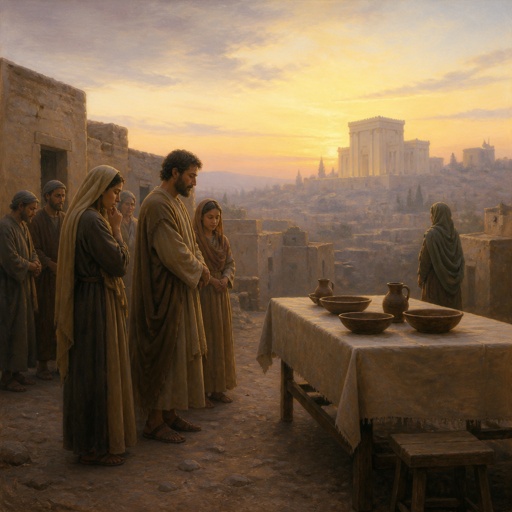
"What will ye do in the solemn day, and in the day of the feast of the LORD?" - Hosea 9:5

Hosea 9:12 - "Though they bring up their children, yet will I bereave them, that there shall not be a man left: yea, woe also to them when I depart from them!"

Hosea 9:1 - "Rejoice not, O Israel, for joy, as other people: for thou hast gone a whoring from thy God, thou hast loved a reward upon every cornfloor."
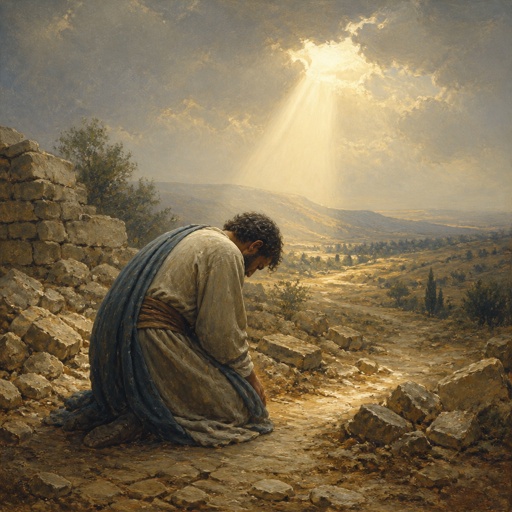
"¶ O Israel, thou hast destroyed thyself; but in me is thine help." - Hosea 13:9

Hosea 9:15 - "All their wickedness is in Gilgal: for there I hated them: for the wickedness of their doings I will drive them out of mine house, I will love them no more: all their princes are revolters."