What does Isaiah 50:6 mean?
“I gave my back to the smiters, and my cheeks to them that plucked off the hair: I hid not my face from shame and spitting.” — Isaiah 50:6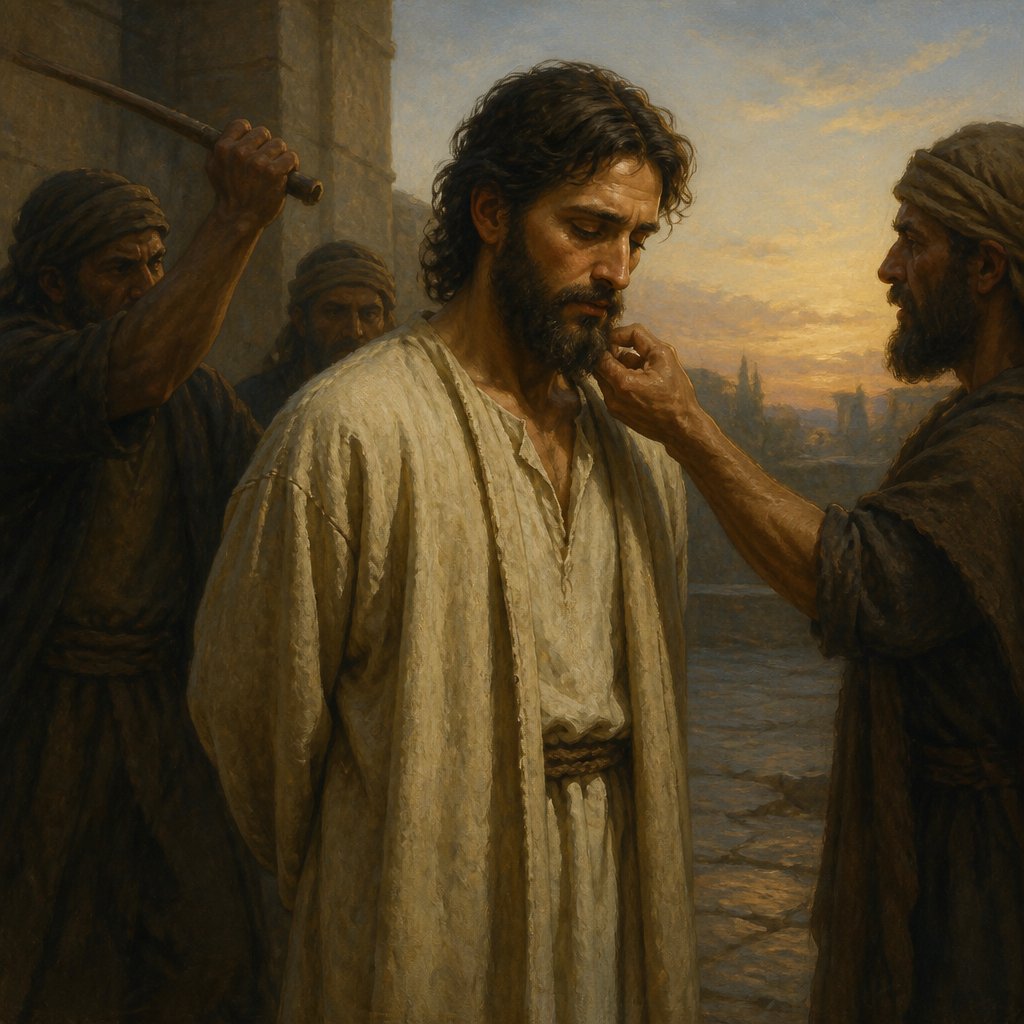
The book of Isaiah is one of the major prophetic books in the Old Testament, and it contains some of the most insightful and powerful passages in the entire Bible. One such passage is found in Isaiah 50:6, which reads in the King James Version (KJV): "I gave my back to the smiters, and my cheeks to them that plucked off the hair: I hid not my face from shame and spitting."
In this verse, the prophet Isaiah is speaking on behalf of the suffering servant, who is often interpreted as a foreshadowing of Jesus Christ. The suffering servant is a central theme in the book of Isaiah, and this verse is particularly poignant in its depiction of the servant's willingness to endure suffering and humiliation for the sake of others.
The imagery in this verse is vivid and disturbing. The idea of giving one's back to the smiters suggests a passive submission to physical abuse and violence. This may be seen as a foreshadowing of the flogging and scourging that Jesus endured before his crucifixion. The mention of having his cheeks plucked and not hiding his face from shame and spitting adds further layers to the servant's suffering, as they depict both physical and emotional abuse.
The context of this verse is important for understanding its significance. In the larger passage in which it is found (Isaiah 50:4-9), the suffering servant is portrayed as one who is obedient to God's will, even in the face of opposition and persecution. The servant's trust in God is unwavering, and he is ultimately vindicated and exalted by God.
The themes present in this verse are manifold. The most obvious theme is that of suffering and endurance. The suffering servant willingly undergoes humiliation and abuse for the sake of others, demonstrating selflessness and sacrifice. This theme is highly significant in the Christian tradition, as it is often linked to the idea of Jesus Christ as the ultimate suffering servant who died for the sins of humanity.
Another important theme in this verse is that of injustice and persecution. The servant's suffering is not the result of any wrongdoing on his part, but rather is inflicted upon him by others. This theme resonates with the experience of many who have been unjustly persecuted throughout history, and it serves as a poignant reminder of the need for empathy and compassion towards those who suffer.
The symbolism in this verse is rich and multi-layered. The suffering servant can be seen as a symbol of Christ, who willingly endured suffering and death for the redemption of humanity. The physical violence and humiliation he endures are symbolic of the depths of human sin and cruelty, as well as the capacity for redemption and forgiveness.
Furthermore, the imagery of the servant not hiding his face from shame and spitting can be seen as a symbol of resilience and steadfastness in the face of adversity. This can serve as a source of inspiration for those who are facing their own struggles and hardships, encouraging them to persevere and maintain their dignity in the midst of suffering.
In conclusion, Isaiah 50:6 is a powerful and evocative verse that captures the essence of the suffering servant's willingness to endure humiliation and abuse for the sake of others. Its themes of suffering, injustice, and resilience resonate deeply with many, and its symbolism as a foreshadowing of Christ's sacrifice adds further layers of meaning. This verse is a testament to the enduring relevance and power of the prophetic words of Isaiah.
Get our apps


Artwork for Isaiah 50:6

Isaiah 50:6 - "I gave my back to the smiters, and my cheeks to them that plucked off the hair: I hid not my face from shame and spitting."
"I gave my back to the smiters, and my cheeks to them that plucked off the hair: I hid not my face from shame and spitting." - Isaiah 50:6

Isaiah 50:7–9

Isaiah 50:3 - "I clothe the heavens with blackness, and I make sackcloth their covering."

Isaiah 50:5 - "¶ The Lord GOD hath opened mine ear, and I was not rebellious, neither turned away back."

Psalms 50:6 - "And the heavens shall declare his righteousness: for God is judge himself. Selah."
1 Chronicles 6:50 - "And these are the sons of Aaron; Eleazar his son, Phinehas his son, Abishua his son,"

John 6:50 - "This is the bread which cometh down from heaven, that a man may eat thereof, and not die."

Genesis 50:6 - "And Pharaoh said, Go up, and bury thy father, according as he made thee swear."

"I clothe the heavens with blackness, and I make sackcloth their covering." - Isaiah 50:3

Isaiah 50:8 - "He is near that justifieth me; who will contend with me? let us stand together: who is mine adversary? let him come near to me."

Isaiah 50:7 - "¶ For the Lord GOD will help me; therefore shall I not be confounded: therefore have I set my face like a flint, and I know that I shall not be ashamed."

Mark 6:50 - "For they all saw him, and were troubled. And immediately he talked with them, and saith unto them, Be of good cheer: it is I; be not afraid."

Isaiah 50:10 - "¶ Who is among you that feareth the LORD, that obeyeth the voice of his servant, that walketh in darkness, and hath no light? let him trust in the name of the LORD, and stay upon his God."

Isaiah 50:9 - "Behold, the Lord GOD will help me; who is he that shall condemn me? lo, they all shall wax old as a garment; the moth shall eat them up."

isaiah 6:6

"And the heavens shall declare his righteousness: for God is judge himself. Selah." - Psalms 50:6

"¶ The Lord GOD hath opened mine ear, and I was not rebellious, neither turned away back." - Isaiah 50:5

John 6:50 - "This is the bread which cometh down from heaven, that a man may eat thereof, and not die."

Isaiah 50:11 - "Behold, all ye that kindle a fire, that compass yourselves about with sparks: walk in the light of your fire, and in the sparks that ye have kindled. This shall ye have of mine hand; ye shall lie down in sorrow."

Isaiah 50:4 - "The Lord GOD hath given me the tongue of the learned, that I should know how to speak a word in season to him that is weary: he wakeneth morning by morning, he wakeneth mine ear to hear as the learned."

Isaiah 6

Isaiah 6

John 6:50 - "This is the bread which cometh down from heaven, that a man may eat thereof, and not die."

Isaiah 6:1-5

Isaiah 6:1-5

isaiah 6:7

Isaiah 6:1-5

Isaiah 6:1-5
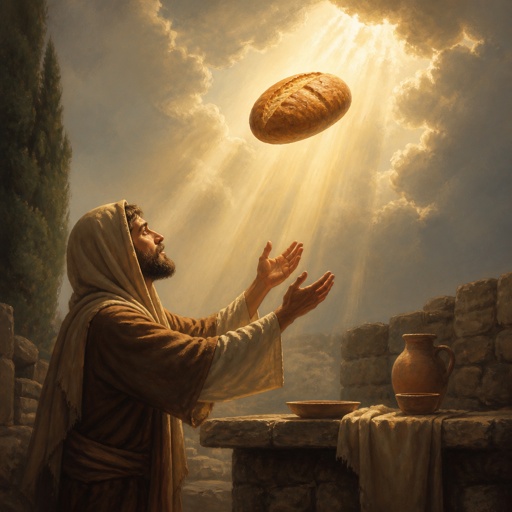
"This is the bread which cometh down from heaven, that a man may eat thereof, and not die." - John 6:50