What does Job 30:20 mean?
“I cry unto thee, and thou dost not hear me: I stand up, and thou regardest me not.” — Job 30:20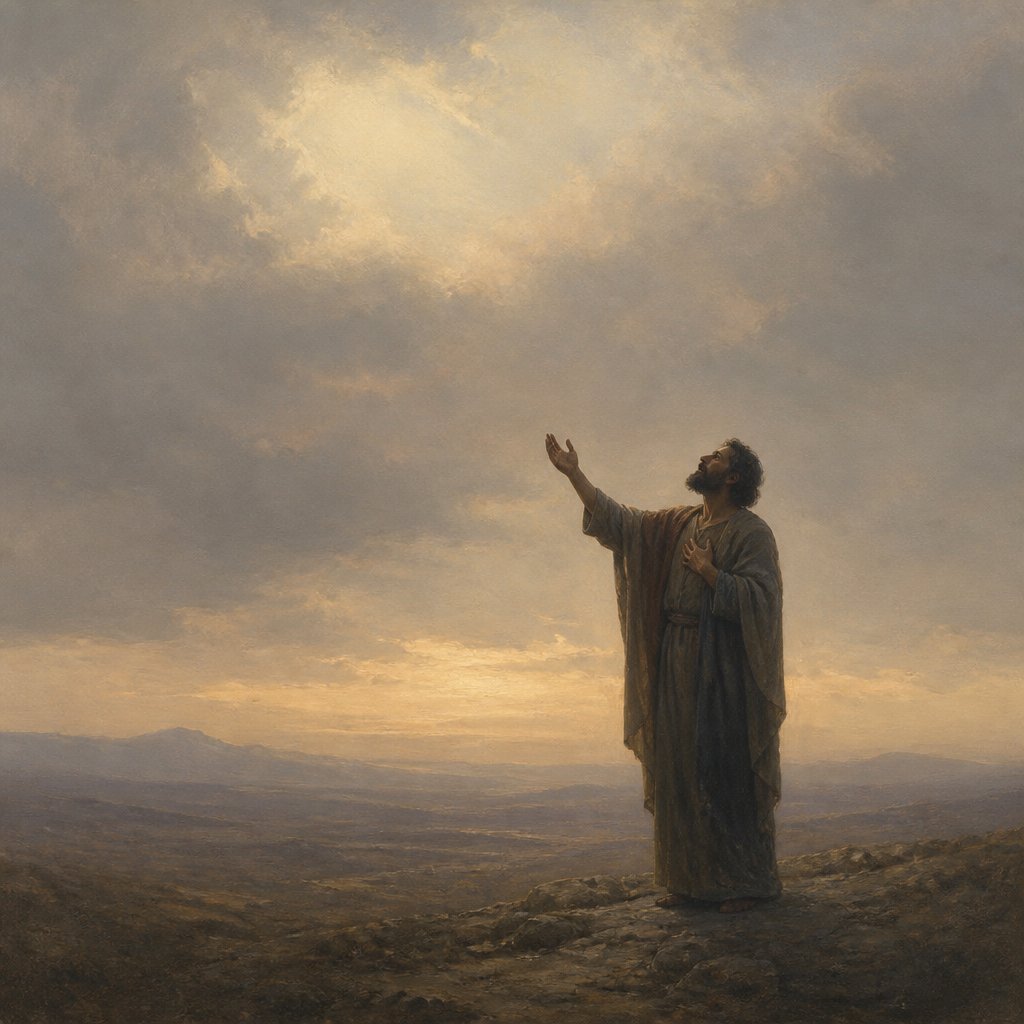
Job 30:20 (KJV) - "I cry unto thee, and thou dost not hear me: I stand up, and thou regardest me not."
This verse comes from the Book of Job, which is a part of the Old Testament. The Book of Job tells the story of a man named Job who faced an immense amount of suffering and loss, and it explores the question of why the righteous suffer. Job is known for his patience and faith in God, even in the midst of his trials.
In Job 30:20, Job is expressing his frustration and anguish to God. He feels as though God is not hearing his cries and is not paying attention to his suffering. This verse is a poignant expression of human suffering and the feeling of abandonment by God.
The verse begins with Job crying out to God. This signifies his desperate and earnest appeal to God for help and relief. Job is in a state of deep distress, and his cry represents his emotional turmoil and the intensity of his suffering.
When Job says, "and thou dost not hear me," he is expressing his belief that God is not responding to his pleas. This feeling of being unheard and ignored by God adds to Job's despair. It reflects the human experience of feeling abandoned or forgotten by a higher power in the midst of suffering.
The next part of the verse says, "I stand up, and thou regardest me not." This highlights Job's feeling of being disregarded by God. Despite his efforts to stand up and seek God, Job feels as though God is not paying attention to him. This further emphasizes the emotional torment Job is experiencing and his perception that God is distant and indifferent to his suffering.
The themes present in Job 30:20 are ones of suffering, despair, and the struggle to find meaning in the midst of hardship. Job's words in this verse reflect the universal human experience of grappling with pain and feeling abandoned by a higher power.
The context of this verse is crucial for understanding its significance. Job is facing extreme suffering and loss, and his friends are offering him false comfort and accusing him of deserving his troubles. In the midst of this, Job is grappling with his faith and questioning why God would allow him to suffer so greatly. Job 30:20 represents a poignant moment in Job's struggle, as he grapples with feelings of abandonment and despair.
The symbolism in this verse lies in the deep emotional and spiritual turmoil that Job is experiencing. It symbolizes the human struggle with suffering and the complexities of faith. Job's cry to God and his feeling of being unheard and disregarded represent the universal human experience of wrestling with hardship and the search for answers in the midst of pain and adversity.
In conclusion, Job 30:20 is a powerful expression of human suffering and the struggle to find solace in the midst of hardship. Job's cry to God and his feeling of being unheard and ignored reflect the universal human experience of grappling with suffering and the search for meaning in the face of adversity. This verse is a poignant reminder of the complexities of faith and the emotional anguish that can accompany the experience of suffering.
Get our apps


Artwork for Job 30:20

Job 30:20 - "I cry unto thee, and thou dost not hear me: I stand up, and thou regardest me not."
"I cry unto thee, and thou dost not hear me: I stand up, and thou regardest me not." - Job 30:20

Job 30:30 - "My skin is black upon me, and my bones are burned with heat."

Job 30:28

Job 30:28

Job 30:28

Job 30:28

Job 30:28

Job 34:30 - "That the hypocrite reign not, lest the people be ensnared."

Job 30:6 - "To dwell in the clifts of the valleys, in caves of the earth, and in the rocks."

Job 38:30 - "The waters are hid as with a stone, and the face of the deep is frozen."

Job 30:29 - "I am a brother to dragons, and a companion to owls."

Job 30:9 - "And now am I their song, yea, I am their byword."

Job 30:27 - "My bowels boiled, and rested not: the days of affliction prevented me."

Job 30:4 - "Who cut up mallows by the bushes, and juniper roots for their meat."

Job 1:20

Job 1:20

John 20:30-31

Job 30:7 - "Among the bushes they brayed; under the nettles they were gathered together."

"My skin is black upon me, and my bones are burned with heat." - Job 30:30

Job 22:30 - "He shall deliver the island of the innocent: and it is delivered by the pureness of thine hands."

Job 6:30 - "Is there iniquity in my tongue? cannot my taste discern perverse things?"

Job 30:25 - "Did not I weep for him that was in trouble? was not my soul grieved for the poor?"

Job 33:30 - "To bring back his soul from the pit, to be enlightened with the light of the living."

Job 30:13 - "They mar my path, they set forward my calamity, they have no helper."

Job 3:20-21 - "Job 3:20-21: Why is light given to those in misery, and life to the bitter of soul, to those who long for death that does not come, who search for it more than for hidden treasure?"

Job 36:30 - "Behold, he spreadeth his light upon it, and covereth the bottom of the sea."

Job 21:30 - "That the wicked is reserved to the day of destruction? they shall be brought forth to the day of wrath."

Job 30:3 - "For want and famine they were solitary; fleeing into the wilderness in former time desolate and waste."

Job 1:20 - "Then Job arose, and rent his mantle, and shaved his head, and fell down upon the ground, and worshipped,"