What does Job 7:17 mean?
“What is man, that thou shouldest magnify him? and that thou shouldest set thine heart upon him?” — Job 7:17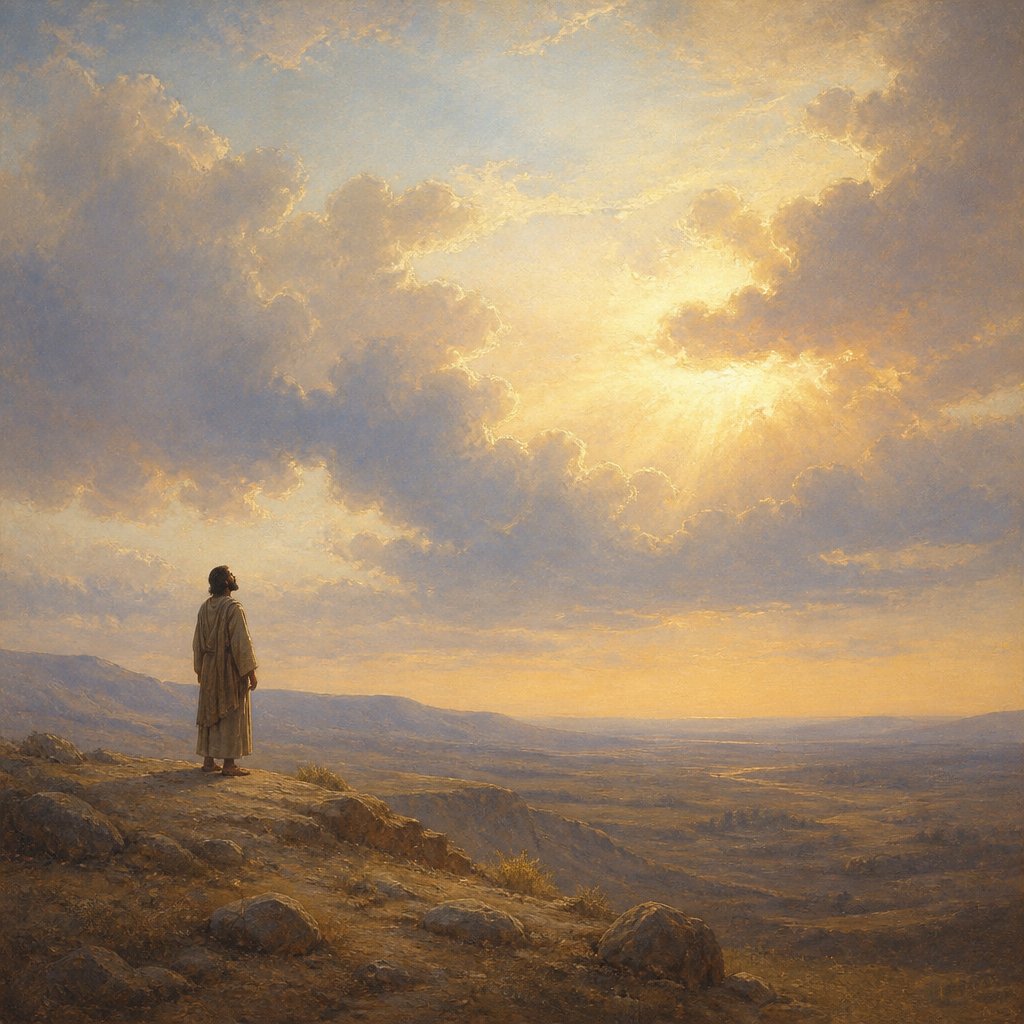
Job 7:17 from the King James Version (KJV) of the Bible reads, "What is man, that thou shouldest magnify him? and that thou shouldest set thine heart upon him?"
This verse is part of a larger passage in the book of Job, which is a book in the Old Testament that deals with the problem of human suffering. The context of this verse is important in understanding its deeper meaning. Job, the central character of the book, is suffering greatly and is questioning why God allows such suffering to happen to him. In this particular verse, Job is expressing his amazement at the idea that God would pay any attention to him at all considering his current circumstances.
The verse begins with a rhetorical question, "What is man, that thou shouldest magnify him?" This question reflects Job's sense of wonder at the possibility that God would pay attention to humanity at all. Job is struck by the sheer insignificance of humanity in comparison to the vastness and majesty of God's creation. This phrase echoes Psalm 8:4, which asks a similar question, "What is man, that thou art mindful of him? and the son of man, that thou visitest him?" The implication of both verses is that God's attention to humanity is a mystery that goes beyond human understanding.
The verse continues with, "and that thou shouldest set thine heart upon him?" This phrase further emphasizes the wonder and amazement that Job feels at the idea of God showing care and concern for humans. Job's suffering has caused him to question the value and significance of human life, and he is struggling to understand why God would show any interest in him. This question reflects the profound mystery of God's love and concern for humanity, even in the face of suffering and hardship.
The themes present in this verse include the insignificance of humanity in comparison to the vastness of God's creation, the mystery of God's love and attention to humanity, and the problem of human suffering. Job is grappling with the age-old question of why a loving and all-powerful God allows suffering to happen to his people. This verse captures the essence of Job's existential crisis and his struggle to find meaning and purpose in the midst of his suffering.
The symbolism in this verse is powerful and thought-provoking. The question "What is man?" speaks to the fundamental mystery of human existence and the human experience. It raises questions about the nature of humanity, our place in the universe, and our relationship to God. The image of God magnifying and setting his heart upon humanity highlights the profound and unfathomable love that God has for his creation, despite its imperfections and suffering. This image serves as a reminder of the value and worth of human life in the eyes of God, even in the midst of pain and hardship.
In conclusion, Job 7:17 from the King James Version is a deeply profound and thought-provoking verse that raises important questions about the nature of humanity, the mystery of God's love and attention, and the problem of human suffering. It captures the existential crisis that Job is experiencing and serves as a powerful reminder of the value and significance of human life in the eyes of God. It is a verse that invites us to contemplate the mystery of our existence and to find hope and meaning in the midst of suffering.
Get our apps


Artwork for Job 7:17

Job 7:17 - "What is man, that thou shouldest magnify him? and that thou shouldest set thine heart upon him?"
"What is man, that thou shouldest magnify him? and that thou shouldest set thine heart upon him?" - Job 7:17

Job 17:7 - "Mine eye also is dim by reason of sorrow, and all my members are as a shadow."
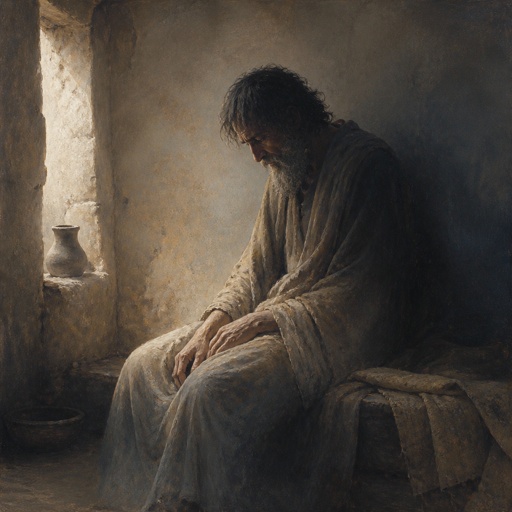
"Mine eye also is dim by reason of sorrow, and all my members are as a shadow." - Job 17:7

Job 42:17 - "So Job died, being old and full of days."

Job 34:7 - "What man is like Job, who drinketh up scorning like water?"

"So Job died, being old and full of days." - Job 42:17

Job 3:17 - "There the wicked cease from troubling; and there the weary be at rest."

Job 1:7

Job 1:7

Job 1:7

Job 17:12 - "They change the night into day: the light is short because of darkness."

Job 41:17 - "They are joined one to another, they stick together, that they cannot be sundered."

Job 17:2 - "Are there not mockers with me? and doth not mine eye continue in their provocation?"

Job 8:17 - "His roots are wrapped about the heap, and seeth the place of stones."

Job 12:17 - "He leadeth counsellors away spoiled, and maketh the judges fools."

Job 20:17 - "He shall not see the rivers, the floods, the brooks of honey and butter."

Job 7:7 - "O remember that my life is wind: mine eye shall no more see good."

Job 16:17 - "Not for any injustice in mine hands: also my prayer is pure."

Job 13:17 - "Hear diligently my speech, and my declaration with your ears."

Job 38:4-7

Job 17:15 - "And where is now my hope? as for my hope, who shall see it?"

Job 9:17 - "For he breaketh me with a tempest, and multiplieth my wounds without cause."

Job 17:1 - "My breath is corrupt, my days are extinct, the graves are ready for me."

Job 29:17 - "And I brake the jaws of the wicked, and plucked the spoil out of his teeth."

Job 28:17 - "The gold and the crystal cannot equal it: and the exchange of it shall not be for jewels of fine gold."

Job 6:17 - "What time they wax warm, they vanish: when it is hot, they are consumed out of their place."

Job 31:17 - "Or have eaten my morsel myself alone, and the fatherless hath not eaten thereof;"

Job 17:6 - "He hath made me also a byword of the people; and aforetime I was as a tabret."

Job 30:17 - "My bones are pierced in me in the night season: and my sinews take no rest."