What does John 11:15 mean?
“And I am glad for your sakes that I was not there, to the intent ye may believe; nevertheless let us go unto him.” — John 11:15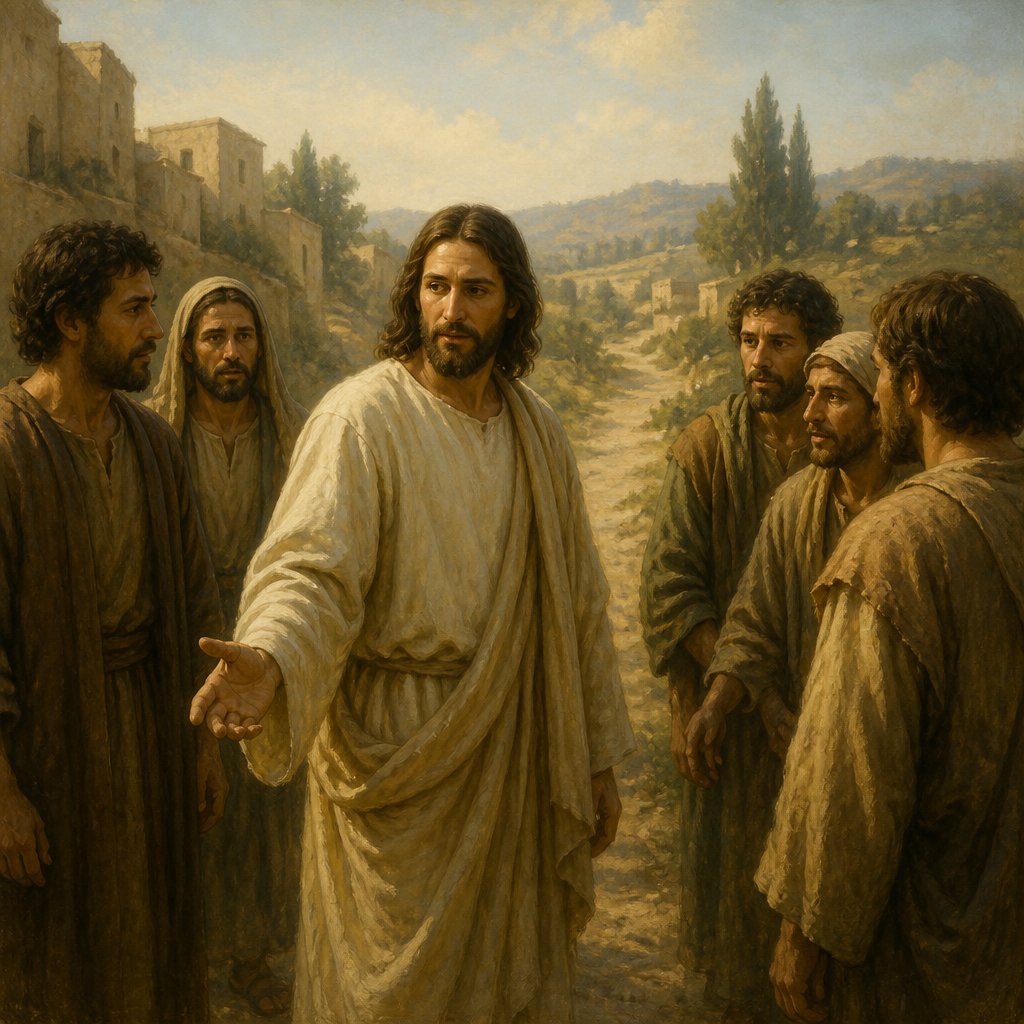
John 11:15 in the King James Version of the Bible reads, "And I am glad for your sakes that I was not there, to the intent ye may believe; nevertheless let us go unto him." This verse is part of the story of Jesus raising Lazarus from the dead, which is a miraculous and pivotal event in the Gospel of John.
In this verse, Jesus is expressing his divine knowledge and understanding of the situation. He tells his disciples that he is glad he was not there when Lazarus died. This might seem like a strange statement at first, as one would expect Jesus to be saddened by the death of his friend. However, Jesus goes on to explain that he is glad for their sakes, "to the intent ye may believe." This demonstrates Jesus's deep understanding of the bigger picture and his ultimate desire for his followers to have unwavering faith in him.
The context of this verse is important for understanding its significance. Prior to Lazarus's death, Jesus receives word that his friend is ill. Instead of immediately going to heal him, Jesus waits for two more days before setting out for Bethany, where Lazarus lived. By the time Jesus arrives, Lazarus has been in the tomb for four days. This delay allows for a greater miracle to take place, as it effectively rules out any possibility of a misdiagnosis of death. It also serves to intensify the faith of those witnessing the miracle.
The themes in this verse are profound and multi-faceted. One of the central themes is the power of faith. Jesus's statement about being glad he was not there so that his disciples "may believe" underscores the importance of faith in his ministry. By allowing Lazarus to die and be buried, Jesus creates an opportunity for an even greater display of the power of God and the strength of faith. The emphasis on belief also underscores the idea that we must trust in God's timing and purposes, even when we do not understand them.
Another key theme in this verse is the sovereignty of God. Jesus's statement, "nevertheless let us go unto him," affirms his authority and his willingness to confront death itself. It also foreshadows his impending demonstration of divine power as he raises Lazarus from the dead. This theme underscores the overarching message of the Gospel of John, which is the divinity of Jesus and the fulfillment of God's redemptive plan through him.
Symbolism plays a significant role in this verse as well. The death and resurrection of Lazarus serve as a foreshadowing of Jesus's own death and resurrection. The raising of Lazarus from the dead is a powerful symbol of the victory over death that Jesus will accomplish through his own sacrificial death and subsequent triumph over the grave. This event also serves to validate Jesus's claim to be the resurrection and the life, as he states in verse 25 of the same chapter.
In conclusion, John 11:15 is a pivotal verse within the larger narrative of Jesus's ministry and his ultimate purpose. It highlights the importance of faith, the sovereignty of God, and the profound symbolism present in the miraculous raising of Lazarus from the dead. This verse, along with the entire story of Lazarus, serves to deepen our understanding of Jesus's divinity and the redemptive power of his death and resurrection.
Get our apps


Artwork for John 11:15

John 11:15 - "And I am glad for your sakes that I was not there, to the intent ye may believe; nevertheless let us go unto him."
"And I am glad for your sakes that I was not there, to the intent ye may believe; nevertheless let us go unto him." - John 11:15
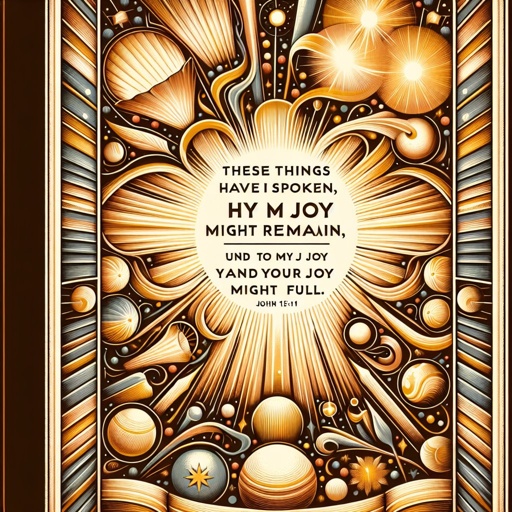
John 15:11 - "These things have I spoken unto you, that my joy might remain in you, and that your joy might be full."

John 1:1-5

John 1:1-5

John 15:7

John 15:7

John 15:5

John 15:5

John 15 The Vine
!["These things have I spoken unto you, that my joy might remain in you, and [that] your joy might be full." - John 15:11](https://media.bible.art/e212915e-16cc-4a65-bbac-56ba6439c2dd-thumbnail.jpg)
"These things have I spoken unto you, that my joy might remain in you, and [that] your joy might be full." - John 15:11

"These things have I spoken unto you, that my joy might remain in you, and that your joy might be full." - John 15:11
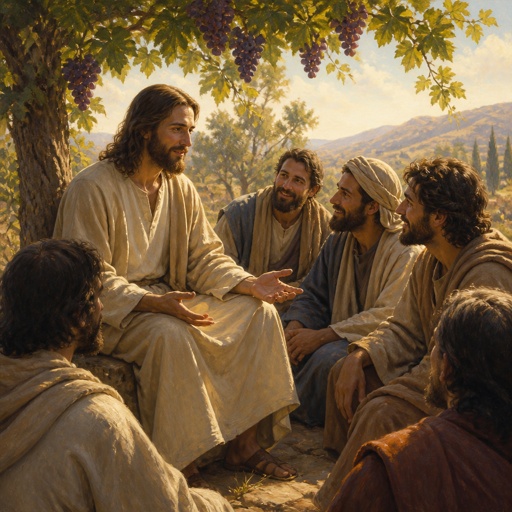
"These things have I spoken unto you, that my joy might remain in you, and that your joy might be full." - John 15:11

John (11:35) Jesus wept.

John (11:35) Jesus wept.

John (11:35) Jesus wept.

John 14:15-21

John 15:26 NLT

John 15:1-8

John 11:35

John 15.1-11

John 11:35

John (11:35) Jesus wept.

John (11:35) Jesus wept.

John (11:35) Jesus wept.

John 15:9-10

John 15:9-10

John 21:15-19

Exodus 4:1-5

John (11:35) Jesus wept.