What does John 5:20 mean?
“For the Father loveth the Son, and sheweth him all things that himself doeth: and he will shew him greater works than these, that ye may marvel.” — John 5:20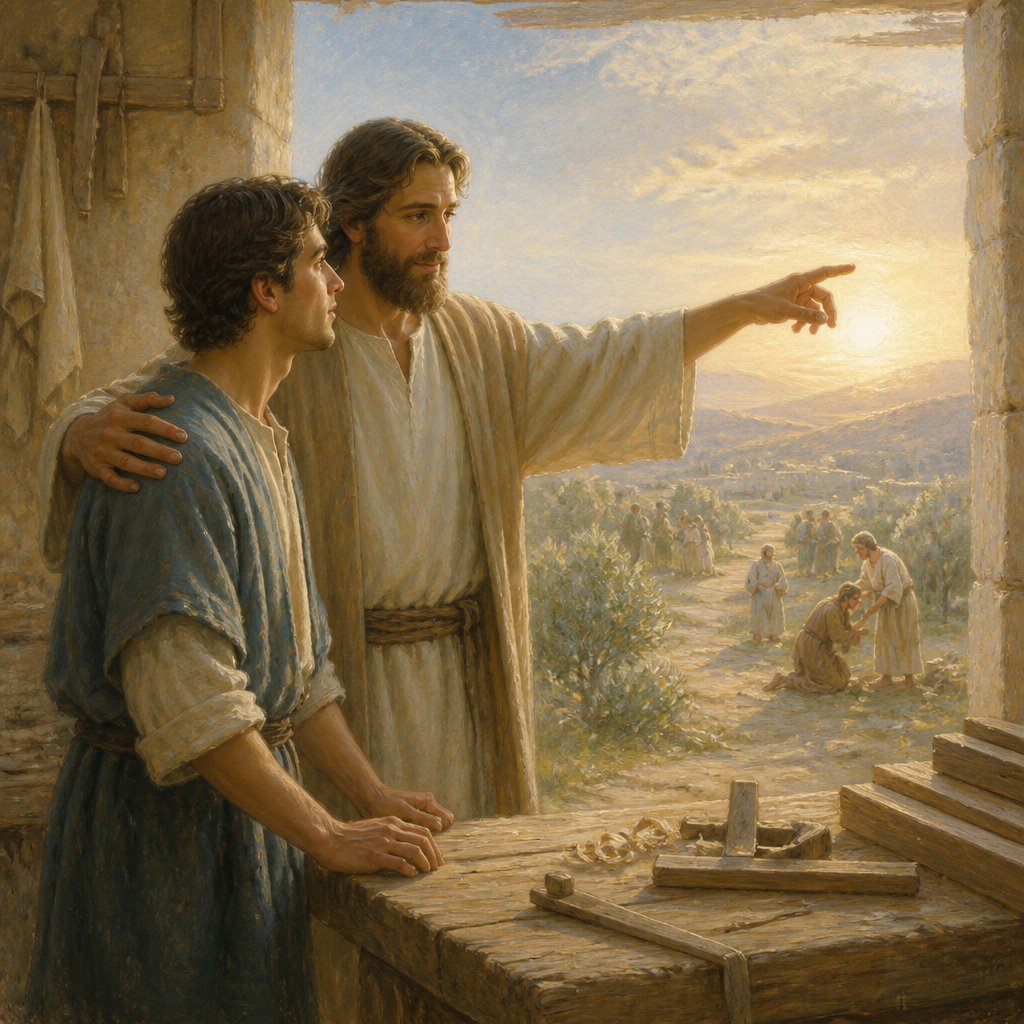
John 5:20 (KJV) states, "For the Father loveth the Son, and sheweth him all things that himself doeth: and he will shew him greater works than these, that ye may marvel."
This verse from the Gospel of John is a continuation of Jesus' discourse with the Jews after performing a miracle on the Sabbath day. In this verse, Jesus is explaining the close and loving relationship between Himself and the Father, and how this intimate relationship leads to the revelation of divine truths and the manifestation of even greater miracles.
The first part of the verse, "For the Father loveth the Son," speaks to the deep and abiding love between God the Father and Jesus the Son. This love is not merely an emotional bond, but rather a love that is rooted in the very nature of the Godhead. It is a love that is eternal, unchanging, and unconditional. This love serves as the foundation for the unity and harmony that exists within the Triune God.
The verse goes on to say, "and sheweth him all things that himself doeth." This speaks to the intimacy and transparency of the relationship between the Father and the Son. There is no hidden knowledge or secret wisdom that is kept from Jesus. Instead, the Father reveals all things to the Son, sharing with Him the divine plans and purposes that are unfolding in the world.
The verse then continues, "and he will shew him greater works than these, that ye may marvel." Here, Jesus promises that the Father will show Him even greater works in the future. This indicates that the miracles and wonders that the people have witnessed so far are just a glimpse of the greater works that are to come. This also serves as a reminder to the people that Jesus' power and authority are not limited to what they have already seen, but are capable of even greater deeds that will inspire awe and amazement.
Overall, this verse highlights the profound love and unity within the Godhead, the transparent and open relationship between the Father and the Son, and the promise of even greater works and miracles in the future. It is a powerful affirmation of Jesus' divine nature and His special relationship with the Father.
One of the prominent themes in this verse is the relationship between the Father and the Son. The verse emphasizes the love and unity within the Trinity, highlighting the deep and abiding connection between the Father and the Son. This theme underscores the divine nature of Jesus and the intimate relationship He shares with the Father.
Another theme in this verse is the revelation of divine truths. The verse speaks to the Father's willingness to show Jesus all things that He Himself does, indicating the transparency and openness within the Godhead. This theme emphasizes the divine wisdom and knowledge that is shared between the Father and the Son, underscoring Jesus' authority and understanding of the divine plans and purposes.
The promise of greater works and miracles is also a significant theme in this verse. This theme points to the limitless power and authority of Jesus, and His ability to perform even greater works that will inspire marvel and wonder. It serves as a reminder of Jesus' divine nature and His ability to manifest the power and glory of God in extraordinary ways.
In terms of context, this verse occurs within the larger narrative of Jesus' ministry and interactions with the Jews. It comes immediately after the healing of the man at the pool of Bethesda on the Sabbath day, which sparked controversy and led to a confrontation between Jesus and the religious authorities. In this context, the verse serves to affirm Jesus' divine authority and to assert His special relationship with the Father, establishing His credentials as the Son of God.
Symbolism in this verse is primarily represented in the language of love, unity, and revelation. The love between the Father and the Son symbolizes the eternal and unchanging nature of the Godhead, highlighting the deep affection and harmony within the Trinity. The transparency and openness in the relationship between the Father and the Son symbolize the divine wisdom and knowledge that is shared between them, underscoring Jesus' authority and understanding of the divine plans and purposes. The promise of greater works and miracles symbolizes the limitless power and authority of Jesus, pointing to His ability to manifest the power and glory of God in extraordinary ways.
In conclusion, John 5:20 (KJV) is a profound and powerful verse that highlights the intimate and loving relationship between the Father and the Son, the revelation of divine truths, and the promise of greater works and miracles. It underscores Jesus' divine nature and His special relationship with the Father, affirming His authority and power as the Son of God. This verse is a testament to the depth of God's love, the transparency in the Godhead, and the limitless potential of Jesus' ministry. It serves as a source of encouragement and assurance for believers, reminding them of the extraordinary nature of Jesus and His capacity to do wondrous things.
Get our apps


Artwork for John 5:20
John 5:20 - "For the Father loveth the Son, and sheweth him all things that himself doeth: and he will shew him greater works than these, that ye may marvel."

1 John 5:20 - "And we know that the Son of God is come, and hath given us an understanding, that we may know him that is true, and we are in him that is true, even in his Son Jesus Christ. This is the true God, and eternal life."
"For the Father loveth the Son, and sheweth him all things that himself doeth: and he will shew him greater works than these, that ye may marvel." - John 5:20
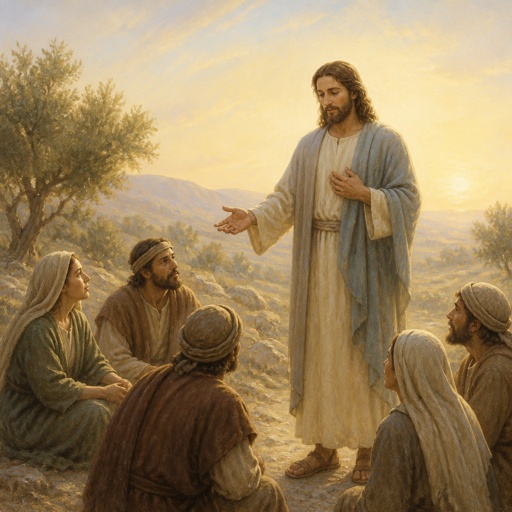
"And we know that the Son of God is come, and hath given us an understanding, that we may know him that is true, and we are in him that is true, even in his Son Jesus Christ. This is the true God, and eternal life." - 1 John 5:20

John 20:5 - "And he stooping down, and looking in, saw the linen clothes lying; yet went he not in."
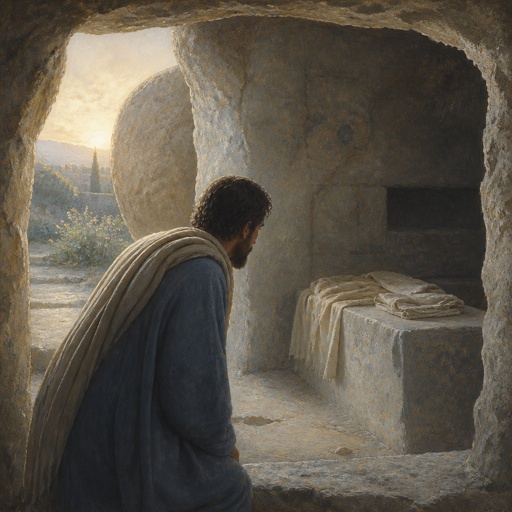
"And he stooping down, and looking in, saw the linen clothes lying; yet went he not in." - John 20:5

John 20:21

John 20:27

John 20:14

John 20:27

John 20:11-12

John 20:11-13

John 20:30-31
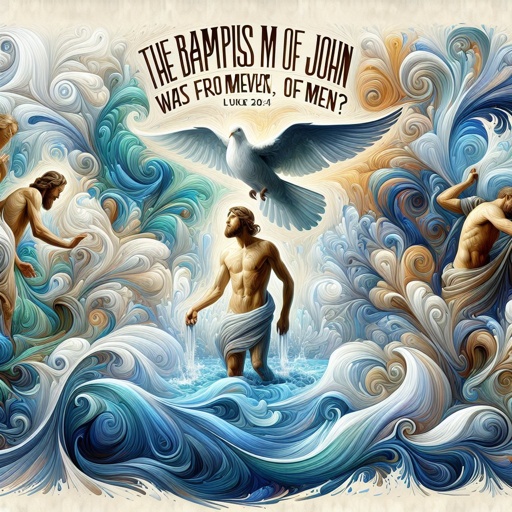
Luke 20:4 - "The baptism of John, was it from heaven, or of men?"

John 15:5

John 15:5

John 5:2

John 6:20 - "But he saith unto them, It is I; be not afraid."

John 5:33 - "Ye sent unto John, and he bare witness unto the truth."

John 5:5 - "And a certain man was there, which had an infirmity thirty and eight years."
John 1:20 - "And he confessed, and denied not; but confessed, I am not the Christ."

John 5:28

John 5:28

John 5:28

1 John 5:5 - "Who is he that overcometh the world, but he that believeth that Jesus is the Son of God?"

John 20:10 - "Then the disciples went away again unto their own home."
John 1:1-5
John 3:5-8

John 1:1-5

John 3:5-8