What does Leviticus 11:35 mean?
“And every thing whereupon any part of their carcase falleth shall be unclean; whether it be oven, or ranges for pots, they shall be broken down: for they are unclean, and shall be unclean unto you.” — Leviticus 11:35
Leviticus 11:35 (KJV): "And every thing whereupon any part of their carcase falleth shall be unclean; whether it be oven, or ranges for pots, they shall be broken down: for they are unclean and shall be unclean unto you."
The book of Leviticus is the third book of the Hebrew Bible and the Old Testament. It is a book of laws and rituals, dealing largely with the responsibilities of the Israelites in their covenant relationship with God. The verse Leviticus 11:35 addresses the issue of contamination by contact with the carcasses of unclean animals. In this context, "unclean" refers not to moral purity but to ritual purity, as specified by the laws of kashrut, which dictate which animals are fit for consumption and which are not.
The verse opens with the declaration that anything upon which the carcass of an unclean animal falls will become unclean. This underscores the contagious nature of uncleanness and emphasizes the need for caution and vigilance in maintaining ritual purity. The verse then provides specific examples of items that will become unclean if they come into contact with the carcass of an unclean animal: ovens and ranges for pots. In the ancient Israelite context, ovens and ranges were essential for cooking and food preparation. The contamination of these items would have had significant implications for daily life and the observance of the dietary laws.
The verse concludes with the directive that the contaminated items, in this case, the ovens and ranges, must be broken down. This act of destruction serves to emphasize the severity of ritual impurity and the importance of removing it from the community. It also highlights the absolute necessity of maintaining purity and the exacting standards required by the Mosaic law.
The symbolism and significance of Leviticus 11:35 can be understood within the larger themes of purity, holiness, and obedience. The dietary laws and regulations in Leviticus served to set the Israelites apart from other nations and to remind them of their unique covenant relationship with God. By adhering to these laws, the Israelites demonstrated their obedience and commitment to God's commandments.
The concept of ritual purity is also deeply symbolic in the Hebrew Bible, representing the need for moral and spiritual cleanliness. The laws of kashrut, including the regulations outlined in Leviticus 11:35, are meant to teach the Israelites about the importance of discernment, discipline, and self-control. They serve as a reminder that every aspect of life, including food preparation and consumption, should be conducted with reverence and obedience to God.
Furthermore, the act of breaking down the contaminated items underscores the principle of separation from impurity. This echoes the broader theme of holiness and distinction in Leviticus, where the Israelites are called to set themselves apart from the surrounding pagan cultures. The destruction of the unclean ovens and ranges reinforces the idea that purity and holiness must be preserved at all costs, even if it requires sacrifice and inconvenience.
In a modern context, Leviticus 11:35 can prompt reflection on the importance of spiritual discernment and the need for ethical and moral purity. While the specifics of the dietary laws may no longer apply, the underlying principles of obedience, purity, and reverence for God's commandments remain relevant for believers today. The verse also serves as a reminder of the sacredness of everyday activities and the importance of conducting ourselves in a manner that honors God in all aspects of our lives.
In conclusion, Leviticus 11:35 conveys important lessons about ritual purity, obedience to God's commandments, and the symbolism of holiness and separation from impurity. It serves as a powerful reminder of the need for spiritual discernment and the importance of maintaining moral and ethical purity in our daily lives. While the verse may be rooted in ancient dietary laws, its broader themes continue to resonate with believers today, prompting reflection on the timeless principles of faith and obedience.
Get our apps


Artwork for Leviticus 11:35

Leviticus 11:35 - "And every thing whereupon any part of their carcase falleth shall be unclean; whether it be oven, or ranges for pots, they shall be broken down: for they are unclean, and shall be unclean unto you."
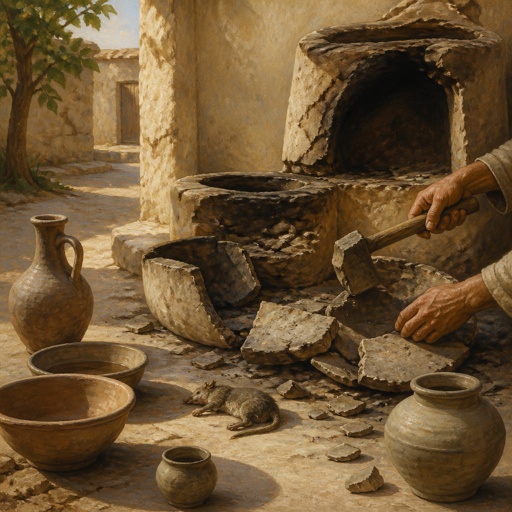
"And every thing whereupon any part of their carcase falleth shall be unclean; whether it be oven, or ranges for pots, they shall be broken down: for they are unclean, and shall be unclean unto you." - Leviticus 11:35

Leviticus 13:35 - "But if the scall spread much in the skin after his cleansing;"

Leviticus 19:35 - "¶ Ye shall do no unrighteousness in judgment, in meteyard, in weight, or in measure."

John (11:35) Jesus wept.

Leviticus 23:35 - "On the first day shall be an holy convocation: ye shall do no servile work therein."
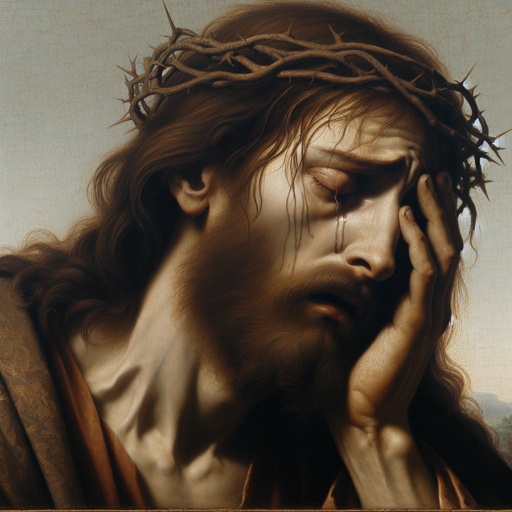
John (11:35) Jesus wept.

John (11:35) Jesus wept.

John 11:35

John 11:35

John (11:35) Jesus wept.

John (11:35) Jesus wept.

John (11:35) Jesus wept.

John (11:35) Jesus wept.
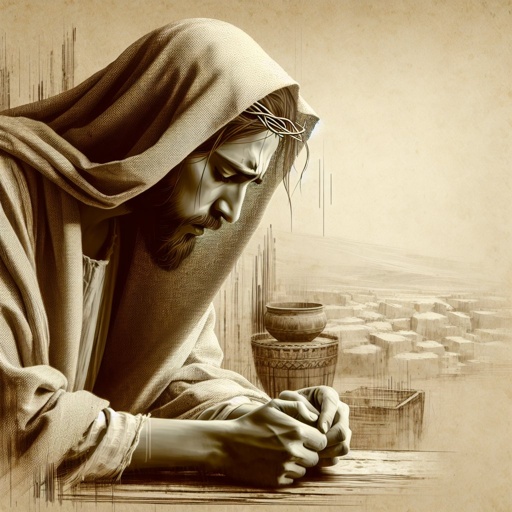
John 11:35 - "Jesus wept."

John (11:35) Jesus wept.

John (11:35) Jesus wept.

John (11:35) Jesus wept.

John (11:35) Jesus wept.

John (11:35) Jesus wept.

John (11:35) Jesus wept.
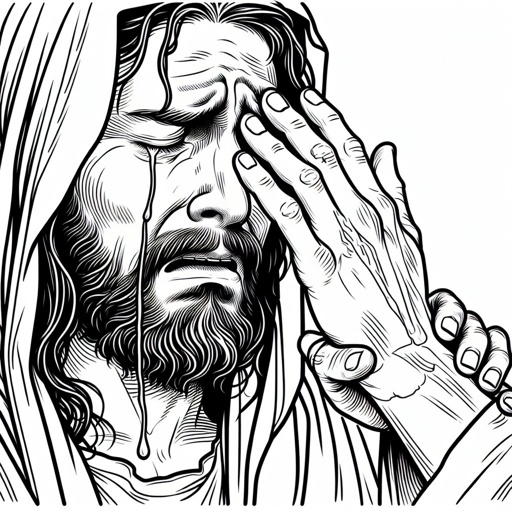
John (11:35) Jesus wept.

Leviticus 14:35 - "And he that owneth the house shall come and tell the priest, saying, It seemeth to me there is as it were a plague in the house:"

2 Chronicles 35:11

Leviticus 26:35 - "As long as it lieth desolate it shall rest; because it did not rest in your sabbaths, when ye dwelt upon it."

Nehemiah 11:35 - "Lod, and Ono, the valley of craftsmen."

"Jesus wept." - John 11:35

"But if the scall spread much in the skin after his cleansing;" - Leviticus 13:35
Leviticus 11:22

Luke 11:35 - "Take heed therefore that the light which is in thee be not darkness."