What does Leviticus 17:13 mean?
“And whatsoever man there be of the children of Israel, or of the strangers that sojourn among you, which hunteth and catcheth any beast or fowl that may be eaten; he shall even pour out the blood thereof, and cover it with dust.” — Leviticus 17:13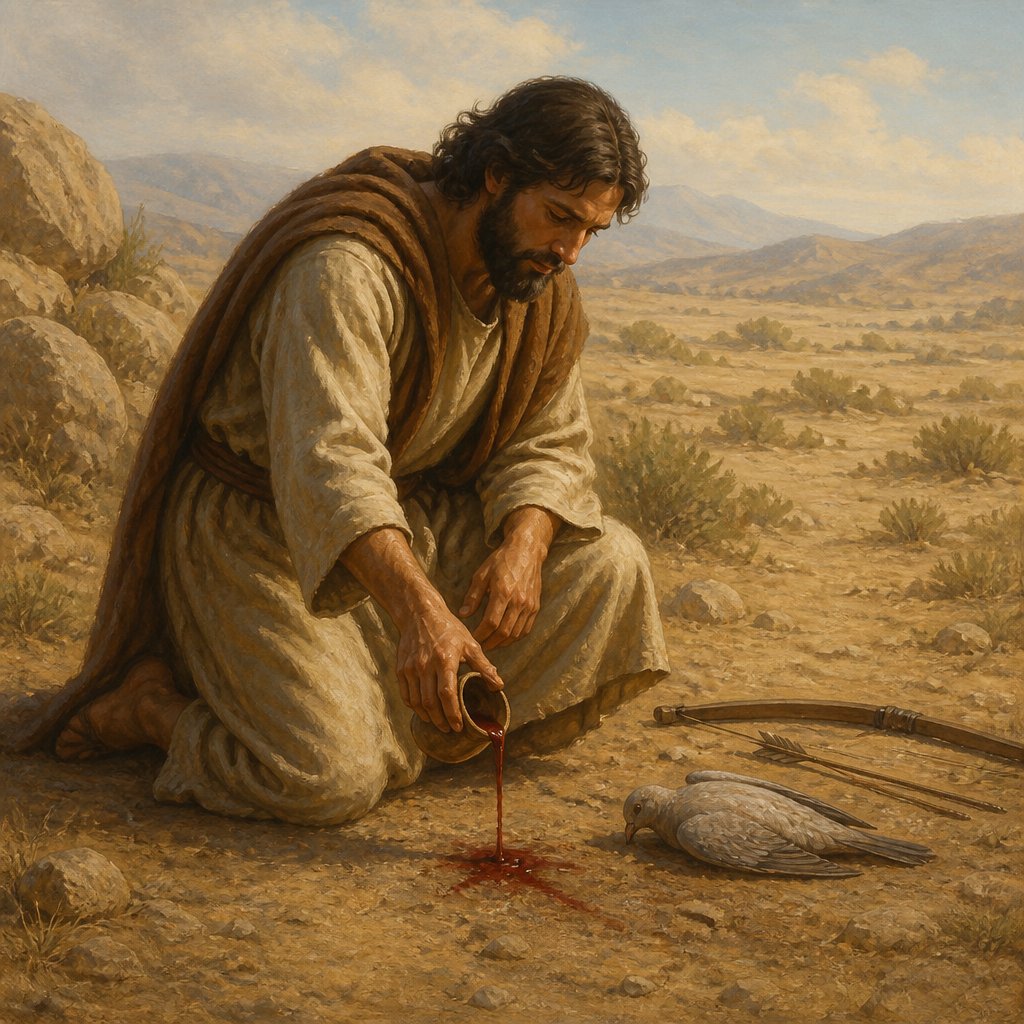
Leviticus 17:13 in the King James Version (KJV) of the Bible states: "And whatsoever man there be of the children of Israel, or of the strangers that sojourn among you, which hunteth and catcheth any beast or fowl that may be eaten; he shall even pour out the blood thereof, and cover it with dust."
This verse is part of the Old Testament book of Leviticus, which is the third book of the Hebrew Bible. Leviticus contains laws and regulations for the Israelites, particularly with regard to their worship and religious practices. The verse in question specifically addresses the proper handling of the blood of animals that are caught for food.
One of the key themes in Leviticus 17:13 is the sanctity of life. The Israelites were instructed to treat the blood of animals with reverence, as it was seen as the life force of the animal. Pouring out the blood and covering it with dust was a way of acknowledging the sacredness of life and demonstrating respect for the gift of sustenance provided by the animals.
This verse also reflects the idea of stewardship and responsibility. The Israelites were to be mindful of their actions and the impact they had on the natural world around them. By regulating the handling of blood from hunted animals, they were being reminded to act in a way that was respectful and considerate of the environment and the creatures within it. This principle of responsible stewardship remains relevant today, as we face environmental challenges and debates about ethical treatment of animals.
In the context of Leviticus as a whole, this verse is part of a larger set of laws regarding the proper way to handle blood, both in the context of hunting and sacrificing animals. The book of Leviticus is concerned with establishing a holy and set-apart community, and part of this involves establishing rituals and practices that set the Israelites apart from other nations.
Symbolically, the pouring out of the blood and covering it with dust can be seen as a way of acknowledging the inherent messiness and mortality of life. It is a recognition of the fragility of life and a reminder of the cycle of life and death that sustains the world.
Furthermore, the inclusion of both the children of Israel and the strangers who sojourn among them in this law speaks to the idea of inclusivity and equal treatment under the law. The Israelites were called to extend the same level of reverence and respect to all individuals, regardless of their background or status.
In a broader theological sense, the handling of blood in this verse foreshadows the atoning sacrifice of Jesus Christ in the New Testament. In Christian theology, Jesus' sacrificial death is seen as the ultimate atonement for sin and the means by which believers are reconciled to God. The imagery of blood as a symbol of life and sacrifice is rich with theological significance, and can be seen as a foreshadowing of the central Christian belief in Christ's redemptive work on the cross.
In conclusion, Leviticus 17:13 is a verse that addresses issues of reverence, responsibility, and inclusivity within the context of ancient Israelite society. It serves as a reminder of the sacredness of life and the need for responsible stewardship of the natural world. It also holds theological significance as a foreshadowing of the sacrificial atonement ultimately fulfilled in the person of Jesus Christ.
Get our apps


Artwork for Leviticus 17:13
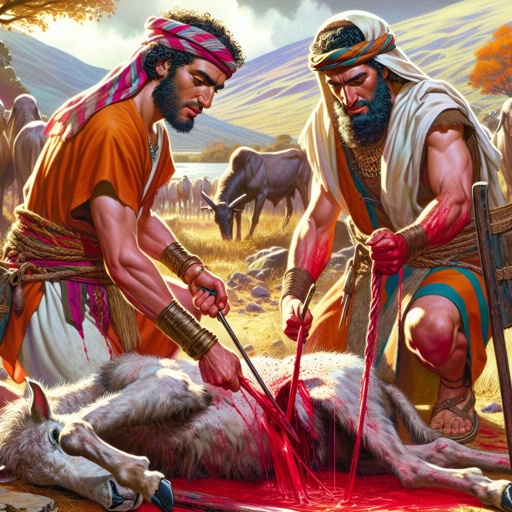
Leviticus 17:13 - "And whatsoever man there be of the children of Israel, or of the strangers that sojourn among you, which hunteth and catcheth any beast or fowl that may be eaten; he shall even pour out the blood thereof, and cover it with dust."
"And whatsoever man there be of the children of Israel, or of the strangers that sojourn among you, which hunteth and catcheth any beast or fowl that may be eaten; he shall even pour out the blood thereof, and cover it with dust." - Leviticus 17:13

Leviticus 13:17 - "And the priest shall see him: and, behold, if the plague be turned into white; then the priest shall pronounce him clean that hath the plague: he is clean."

Leviticus 17:7

Leviticus 23:17-22

Leviticus 11:17 - "And the little owl, and the cormorant, and the great owl,"

Leviticus 22:17 - "¶ And the LORD spake unto Moses, saying,"

Leviticus 17:1 - "And the LORD spake unto Moses, saying,"
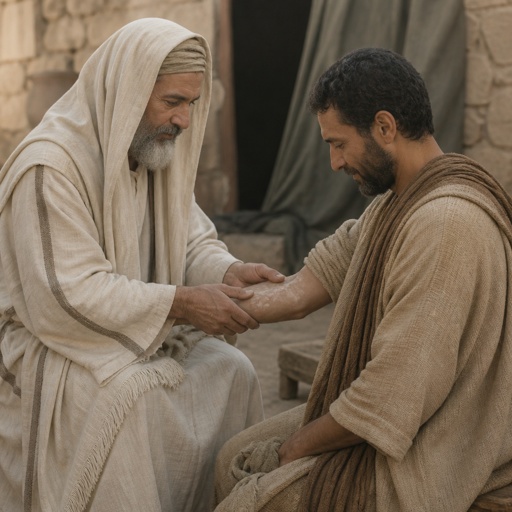
"And the priest shall see him: and, behold, if the plague be turned into white; then the priest shall pronounce him clean that hath the plague: he is clean." - Leviticus 13:17

Leviticus 7:17 - "But the remainder of the flesh of the sacrifice on the third day shall be burnt with fire."

Leviticus 24:13 - "And the LORD spake unto Moses, saying,"

Leviticus 21:13 - "And he shall take a wife in her virginity."

Leviticus 13:1 - "And the LORD spake unto Moses and Aaron, saying,"

Leviticus 24:17 - "¶ And he that killeth any man shall surely be put to death."

Leviticus 13:35 - "But if the scall spread much in the skin after his cleansing;"

Leviticus 13:29 - "¶ If a man or woman have a plague upon the head or the beard;"

Leviticus 13:18 - "¶ The flesh also, in which, even in the skin thereof, was a boil, and is healed,"

Leviticus 13:14 - "But when raw flesh appeareth in him, he shall be unclean."

Leviticus 13:47 - "¶ The garment also that the plague of leprosy is in, whether it be a woollen garment, or a linen garment;"

Leviticus 13:9 - "¶ When the plague of leprosy is in a man, then he shall be brought unto the priest;"

Leviticus 15:17 - "And every garment, and every skin, whereon is the seed of copulation, shall be washed with water, and be unclean until the even."

Leviticus 17:3 - "What man soever there be of the house of Israel, that killeth an ox, or lamb, or goat, in the camp, or that killeth it out of the camp,"

Leviticus 13:22 - "And if it spread much abroad in the skin, then the priest shall pronounce him unclean: it is a plague."

Leviticus 25:13 - "In the year of this jubile ye shall return every man unto his possession."

Leviticus 6:13 - "The fire shall ever be burning upon the altar; it shall never go out."

Leviticus 27:17 - "If he sanctify his field from the year of jubile, according to thy estimation it shall stand."

Leviticus 17:16 - "But if he wash them not, nor bathe his flesh; then he shall bear his iniquity."

"¶ And the LORD spake unto Moses, saying," - Leviticus 22:17

"And the LORD spake unto Moses, saying," - Leviticus 17:1

"And the little owl, and the cormorant, and the great owl," - Leviticus 11:17