What does Leviticus 21:23 mean?
“Only he shall not go in unto the vail, nor come nigh unto the altar, because he hath a blemish; that he profane not my sanctuaries: for I the LORD do sanctify them.” — Leviticus 21:23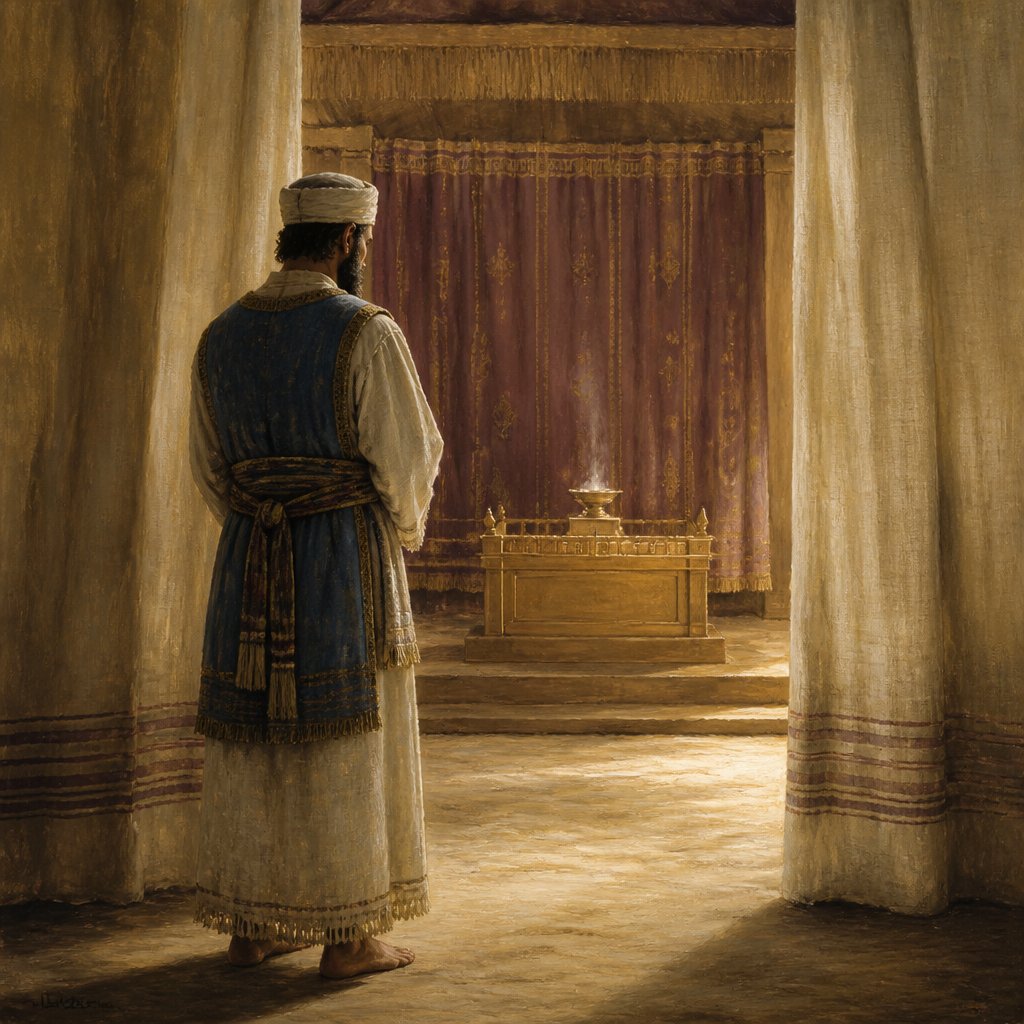
Leviticus 21:23 in the King James Version of the Bible states, "Only he shall not go in unto the vail, nor come nigh unto the altar, because he hath a blemish; that he profane not my sanctuaries: for I the Lord do sanctify them." This verse is part of a larger passage in Leviticus that outlines the various regulations and restrictions placed upon the priests of Israel.
In this particular verse, the focus is on the requirement that a priest with a physical blemish or defect is not allowed to officiate at the altar or enter the inner sanctuary of the tabernacle. The reasoning behind this restriction is that the priests were to be a reflection of God's holiness and perfection, and any physical imperfection was seen as a violation of this standard. By maintaining an unblemished priesthood, God was demonstrating the importance of purity and consecration within the context of worship and sacrifice.
The theme of purity and holiness is central to this verse, as well as to the larger context of the book of Leviticus. The Israelites were instructed to approach God with reverence and awe, recognizing His holiness and their own unworthiness. The regulations regarding the priesthood served as a reminder of the need for spiritual cleanliness and dedication to God's standards.
The broader context of Leviticus provides insight into the significance of these regulations. The book is primarily concerned with outlining the laws and rituals that govern the Israelites' relationship with God. This includes instructions for sacrifices, purification rituals, and ethical guidelines. The overarching theme of holiness is woven throughout these regulations, emphasizing the separation of the Israelites from the surrounding nations and their commitment to following God's commands.
The symbolism in this verse is rich and multifaceted. The physical blemishes of the priests are representative of spiritual imperfections and the need for purity in approaching God. The altar and the inner sanctuary are symbolic of the sacred space where God's presence dwells, and the requirement for unblemished priests emphasizes the seriousness of this encounter with the divine. The concept of sanctification, or being set apart for God's purposes, is central to the symbolism of the priesthood and the rituals they perform.
From a contextual standpoint, this verse must be understood within the broader framework of the Old Testament law and the cultural norms of the ancient Near East. The Israelites' understanding of holiness and purity was heavily influenced by the surrounding cultures, but their regulations set them apart as a unique and consecrated people. The priesthood and its regulations were an integral part of Israel's identity and played a crucial role in maintaining their distinctiveness as a chosen people.
In conclusion, Leviticus 21:23 from the King James Version of the Bible offers a profound commentary on the themes of holiness, purity, and consecration within the context of the priesthood. The verse serves as a reminder of the importance of approaching God with reverence and awe, recognizing His holiness and the need for spiritual purity. The symbolism of the unblemished priesthood and the sanctuaries conveys a powerful message about the significance of maintaining a consecrated and set-apart relationship with God. This verse continues to offer spiritual insight and inspiration for believers seeking to honor God with their lives and worship.
Get our apps


Artwork for Leviticus 21:23

Leviticus 21:23 - "Only he shall not go in unto the vail, nor come nigh unto the altar, because he hath a blemish; that he profane not my sanctuaries: for I the LORD do sanctify them."
"Only he shall not go in unto the vail, nor come nigh unto the altar, because he hath a blemish; that he profane not my sanctuaries: for I the LORD do sanctify them." - Leviticus 21:23

Leviticus 23:21

Leviticus 23:21

Leviticus 23:21

Leviticus 23:21

Leviticus 23:21

Leviticus 23:21

Leviticus 23:21 - "And ye shall proclaim on the selfsame day, that it may be an holy convocation unto you: ye shall do no servile work therein: it shall be a statute for ever in all your dwellings throughout your generations."

Leviticus 23:23 - "¶ And the LORD spake unto Moses, saying,"

Leviticus 23:20

Leviticus 23:15-22

Leviticus 23:17-22

Leviticus 24:20-23

Leviticus 21:19 - "Or a man that is brokenfooted, or brokenhanded,"

"¶ And the LORD spake unto Moses, saying," - Leviticus 23:23

Leviticus 23:26 - "¶ And the LORD spake unto Moses, saying,"

Leviticus 23:1 - "And the LORD spake unto Moses, saying,"

Leviticus 23:33 - "¶ And the LORD spake unto Moses, saying,"
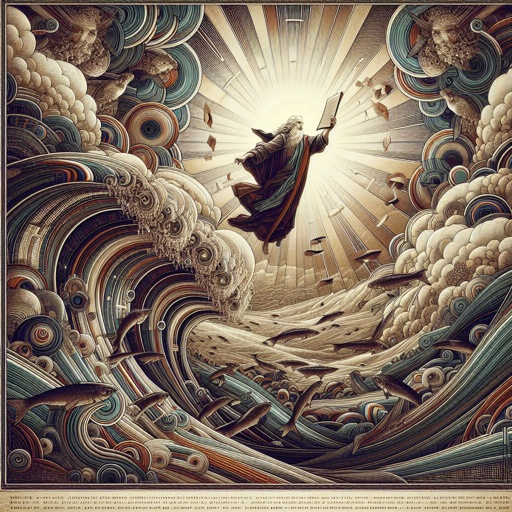
Leviticus 23:9 - "¶ And the LORD spake unto Moses, saying,"

Leviticus 21:16 - "¶ And the LORD spake unto Moses, saying,"

Leviticus 23:5 - "In the fourteenth day of the first month at even is the LORD'S passover."

Leviticus 23:44 - "And Moses declared unto the children of Israel the feasts of the LORD."

Leviticus 21:13 - "And he shall take a wife in her virginity."

Leviticus 26:23 - "And if ye will not be reformed by me by these things, but will walk contrary unto me;"

the jewish holidays mentioned in leviticus 23:1 until 23:40 combined in one picture,

"Or a man that is brokenfooted, or brokenhanded," - Leviticus 21:19

Leviticus 6:23 - "For every meat offering for the priest shall be wholly burnt: it shall not be eaten."
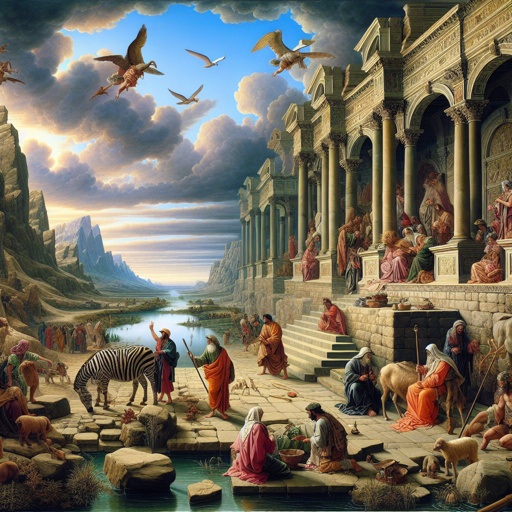
Genesis 21-23

Leviticus 25:23 - "¶ The land shall not be sold for ever: for the land is mine; for ye are strangers and sojourners with me."