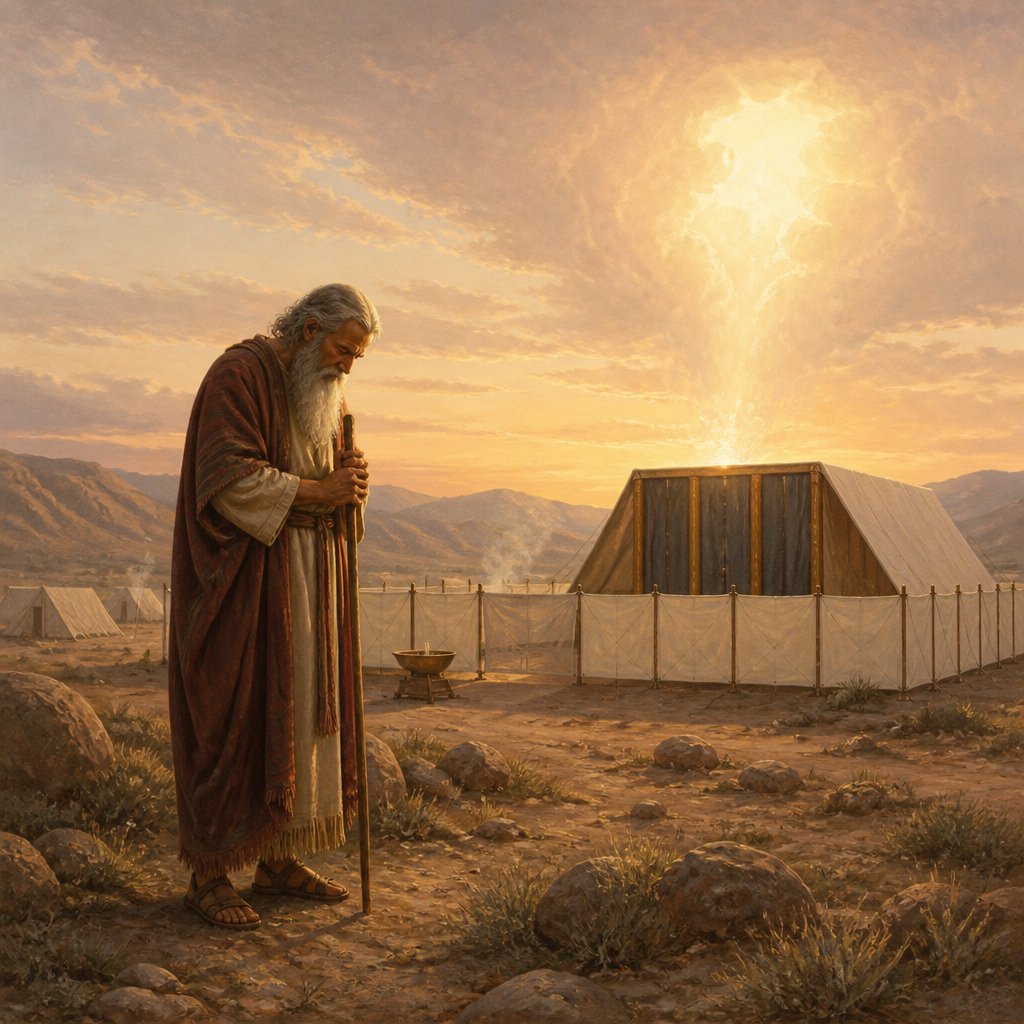
Leviticus 6:8 in the King James Version of the Bible states: "And the Lord spake unto Moses, saying," This verse is a relatively short one, but it is significant in the context of the book of Leviticus and the larger narrative of the Old Testament.
The book of Leviticus is the third book in the Hebrew Bible, and it is primarily concerned with laws and regulations for the Israelite community, particularly in matters of ritual purity and sacrifice. The verse in question occurs within a section of the book that outlines the procedures for the burnt offering, a type of sacrifice that is completely consumed by fire as an act of worship.
The verse marks the beginning of a new divine instruction to Moses and, by extension, the Israelites. Throughout the book of Leviticus, the phrase "the Lord spake unto Moses, saying," or variations thereof, is used to introduce a wide range of laws and regulations relating to sacrifice, ritual purity, ethical conduct, and social justice. This phrase serves to emphasize the divine origin and authority of the laws being presented, as they are portrayed as direct instructions from God Himself.
In the broader context of the Old Testament, this verse is situated within the narrative of the Israelites' journey from slavery in Egypt to the promised land of Canaan. Central to this journey is the establishment of a covenant between God and the Israelites, which involves the giving of the Law at Mount Sinai. The book of Leviticus, with its detailed regulations for worship, sacrifice, and ethical living, is an essential part of this covenantal framework. The repeated phrase "the Lord spake unto Moses, saying," serves to underscore the authority of God's commandments and the Israelites' obligation to obey them in order to maintain their covenantal relationship with God.
Symbolically, this verse represents the ongoing communication between God and His chosen leader, Moses. It signifies the direct line of divine authority through which the Israelites receive their laws and instructions. Furthermore, it highlights the central role of Moses as the mediator between God and the people, as he conveys God's words and will to the community.
Thematically, Leviticus 6:8 connects to the larger themes of obedience, holiness, and worship found throughout the book of Leviticus. The Israelites are called to faithfully follow the instructions given to them by God, as this is seen as essential for maintaining their relationship with Him. The emphasis on ritual purity and sacrifice reflects the Israelites' commitment to worship God in a manner that is pleasing and acceptable to Him.
In summary, Leviticus 6:8 may be a short verse, but it holds significant meaning within the wider context of the book of Leviticus and the Old Testament as a whole. It serves as a reminder of the divine authority behind the laws and regulations given to the Israelites, and it underscores the themes of obedience, holiness, and worship that are central to the covenantal relationship between God and His chosen people.
Get our apps


Artwork for Leviticus 6:8

Leviticus 6:8 - "¶ And the LORD spake unto Moses, saying,"
"¶ And the LORD spake unto Moses, saying," - Leviticus 6:8

Leviticus 8:6 - "And Moses brought Aaron and his sons, and washed them with water."
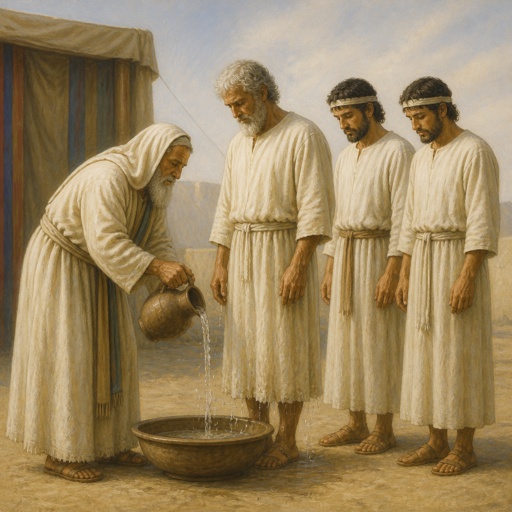
"And Moses brought Aaron and his sons, and washed them with water." - Leviticus 8:6

Leviticus 16:8

Leviticus 8:30
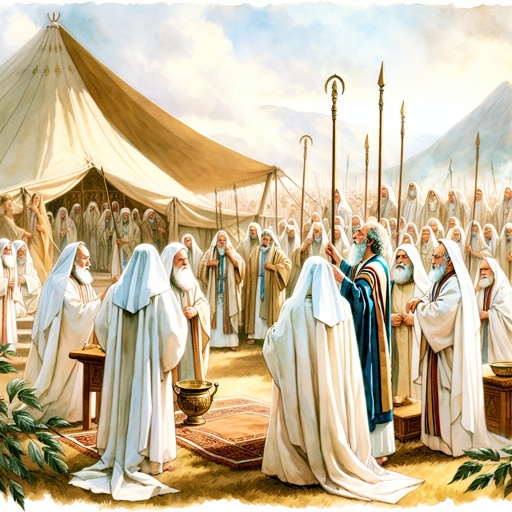
Leviticus 8:1-12

Leviticus 8:8 - "And he put the breastplate upon him: also he put in the breastplate the Urim and the Thummim."

Leviticus 26: 4-6
Leviticus 26: 4-6

Leviticus 26: 4-6
Leviticus 10:8 - "¶ And the LORD spake unto Aaron, saying,"

Leviticus 8:1 - "And the LORD spake unto Moses, saying,"

Leviticus 6:24 - "¶ And the LORD spake unto Moses, saying,"

Leviticus 6:19 - "¶ And the LORD spake unto Moses, saying,"

Leviticus 6:1 - "And the LORD spake unto Moses, saying,"

Leviticus 8:32 - "And that which remaineth of the flesh and of the bread shall ye burn with fire."

Leviticus 1:6 - "And he shall flay the burnt offering, and cut it into his pieces."

Leviticus 8:19 - "And he killed it; and Moses sprinkled the blood upon the altar round about."

Leviticus 8:3 - "And gather thou all the congregation together unto the door of the tabernacle of the congregation."

Leviticus 8:5 - "And Moses said unto the congregation, This is the thing which the LORD commanded to be done."

Leviticus 2:6 - "Thou shalt part it in pieces, and pour oil thereon: it is a meat offering."

Leviticus 8:20 - "And he cut the ram into pieces; and Moses burnt the head, and the pieces, and the fat."

Leviticus 18:8 - "The nakedness of thy father's wife shalt thou not uncover: it is thy father's nakedness."

6:6 8

Leviticus 6:29 - "All the males among the priests shall eat thereof: it is most holy."

Leviticus 6:23 - "For every meat offering for the priest shall be wholly burnt: it shall not be eaten."

Leviticus 6:13 - "The fire shall ever be burning upon the altar; it shall never go out."

Leviticus 8:10 - "And Moses took the anointing oil, and anointed the tabernacle and all that was therein, and sanctified them."

Leviticus 11:8 - "Of their flesh shall ye not eat, and their carcase shall ye not touch; they are unclean to you."