What does Luke 12:13 mean?
“And one of the company said unto him, Master, speak to my brother, that he divide the inheritance with me.” — Luke 12:13
Luke 12:13 in the King James Version of the Bible reads, "And one of the company said unto him, Master, speak to my brother, that he divide the inheritance with me."
This verse, while seemingly simple, actually contains within it deep themes of human relationships, stewardship, and the danger of greed. The context of this verse comes in the middle of a larger discourse by Jesus, in which he has been addressing his disciples and the crowd about various topics such as hypocrisy, fear, and the consequences of confessing or denying him before men. In this particular moment, someone from the crowd approaches Jesus with a very personal and practical request, asking him to intervene in a family dispute over an inheritance.
The man's appeal to Jesus to mediate in the family dispute illustrates a common issue that affects human relationships throughout history. The desire for wealth and possessions can cause discord and division, even among family members. This man's request reveals the struggle for fairness and justice in the distribution of material wealth, and speaks to the human tendency to prioritize earthly possessions over spiritual matters. In response to this, Jesus uses the opportunity to warn the crowd about the dangers of greed and materialism.
The passage reflects the timeless theme of stewardship, as Jesus not only addresses the issue of greed but also teaches the crowd about the true treasure that comes from a life devoted to God. In the verses following Luke 12:13, Jesus tells a parable about a rich man who hoards his possessions, only to die and lose it all, emphasizing the transient nature of earthly wealth and the importance of investing in eternal treasures.
The symbolism in this verse and the surrounding passage is profound. The dispute over inheritance serves as a metaphor for the human condition, where people often prioritize material possessions over spiritual growth and relationships. The man's request to Jesus symbolizes our tendency to seek earthly solutions to spiritual problems. Jesus' response, on the other hand, opens up a discussion about the true meaning of wealth and the danger of allowing possessions to come between relationships and spiritual well-being.
In this passage, Jesus is teaching his followers to prioritize their relationship with God above all else, including material possessions. He urges them to avoid the trap of greed and instead seek to be "rich toward God," meaning to invest in spiritual growth, acts of kindness, and living a life that reflects God's love and grace. This message is deeply relevant today, where the pursuit of wealth and material success often leads to a neglect of our spiritual well-being and connections to others.
In conclusion, Luke 12:13 in the King James Version of the Bible holds deep significance and provides valuable lessons about the pitfalls of greed, the importance of stewardship, and the true treasures found in a life devoted to God. The context, themes, and symbolism within this verse offer a profound meditation on the human condition and our eternal destiny. It serves as a powerful reminder to prioritize our spiritual well-being and relationships, rather than being consumed by the pursuit of material wealth.
Get our apps


Artwork for Luke 12:13

Luke 12:13 - "¶ And one of the company said unto him, Master, speak to my brother, that he divide the inheritance with me."

"¶ And one of the company said unto him, Master, speak to my brother, that he divide the inheritance with me." - Luke 12:13

Luke 13:12 - "And when Jesus saw her, he called her to him, and said unto her, Woman, thou art loosed from thine infirmity."

Luke 13:18-19

Luke 13:20-21

Luke 13:20-21

Luke 13:18-19
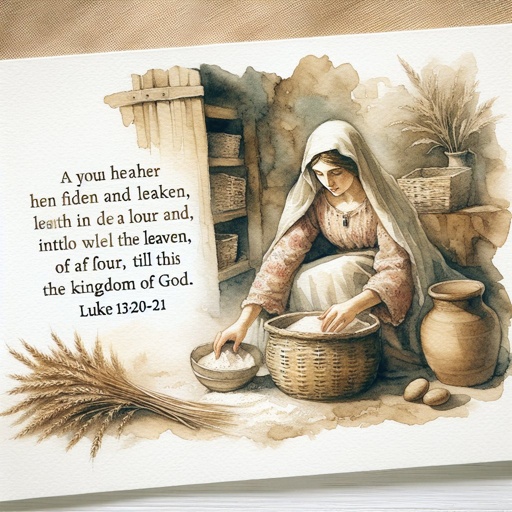
Luke 13:20-21

Luke 13:20-21

Luke 13:20-21

Luke 1:13

Luke 1:13

Luke 8:13

Luke 13:24

Luke 8:13

Luke 1:13

Luke 1:13

Luke 8:13

Luke 1:13

Luke 2:13

Luke 1:13

Luke 12:25

Luke 12:25

Luke 12: 49

Luke 12:34

Luke 12:10

Luke 12:50

Luke 13:13 - "And he laid his hands on her: and immediately she was made straight, and glorified God."

Luke 2:13-14

Luke 13:6-9