What does Luke 13:12 mean?
“And when Jesus saw her, he called her to him, and said unto her, Woman, thou art loosed from thine infirmity.” — Luke 13:12
Luke 13:12 from the King James Version of the Bible reads, "And when Jesus saw her, he called her to him, and said unto her, Woman, thou art loosed from thine infirmity."
This verse is a powerful and touching moment in the New Testament, as Jesus shows his compassion and healing power. In this passage, Jesus encounters a woman who has been suffering from an infirmity for 18 years. The phrasing "Woman, thou art loosed from thine infirmity" reflects the power and authority of Jesus as he heals the woman with just a few words.
The context of this verse is important in understanding its significance. In the preceding verses, Jesus is teaching in a synagogue when he notices the woman who is bent over and unable to stand up straight. This physical affliction is not only painful, but it also affects the woman's ability to fully participate in the community and worship. When Jesus sees her, he is moved with compassion and calls her to him, declaring that she is now free from her infirmity.
One of the central themes of this passage is the compassion and healing power of Jesus. Throughout the Gospels, Jesus is depicted as a healer who shows great empathy for those who are suffering. In this instance, he not only heals the woman physically, but also restores her dignity and ability to fully participate in society. This theme of compassion and healing is central to the message of Jesus and his ministry on Earth.
Additionally, this verse speaks to the concept of liberation from suffering and oppression. The woman in this passage has been bound by her infirmity for nearly two decades, and Jesus liberates her from this burden. This act of liberation reflects a broader theme in the Bible of freedom and deliverance from bondage. It also serves as a metaphor for the spiritual freedom that Jesus offers through his teachings and salvation.
The symbolism in this verse is powerful and multi-layered. The woman's infirmity can be viewed as a symbol of the burdens and limitations that people face in their lives. By healing her, Jesus symbolizes the spiritual healing and liberation that he offers to all who come to him. The act of physically straightening the woman also serves as a symbol of the transformative power of Jesus to make things right and restore wholeness.
In a broader context, this verse is also a reminder of the inclusive nature of Jesus' ministry. The fact that he notices and reaches out to a marginalized woman in a public setting demonstrates his concern for those who are often overlooked or oppressed. This inclusivity is a central aspect of Jesus' teachings, as he often challenged societal norms and welcomed all people into his message of love and salvation.
Overall, Luke 13:12 is a profound and moving passage that captures the essence of Jesus' ministry. It conveys themes of compassion, healing, liberation, and inclusivity, while also offering a powerful symbol of the spiritual freedom and wholeness that Jesus offers to all who seek him. It serves as a reminder of the profound impact of Jesus' teachings and the timeless message of hope and healing that resonates throughout the New Testament.
Get our apps


Artwork for Luke 13:12

Luke 13:12 - "And when Jesus saw her, he called her to him, and said unto her, Woman, thou art loosed from thine infirmity."

"And when Jesus saw her, he called her to him, and said unto her, Woman, thou art loosed from thine infirmity." - Luke 13:12

Luke 12:13 - "¶ And one of the company said unto him, Master, speak to my brother, that he divide the inheritance with me."

"¶ And one of the company said unto him, Master, speak to my brother, that he divide the inheritance with me." - Luke 12:13

Luke 13:18-19

Luke 13:20-21

Luke 13:18-19

Luke 13:20-21
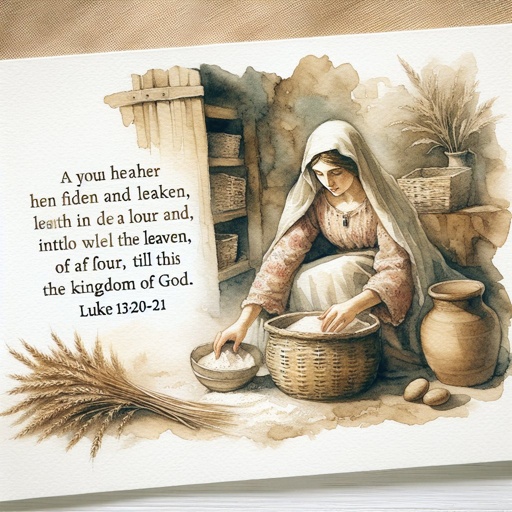
Luke 13:20-21

Luke 13:20-21

Luke 13:20-21

Luke 8:13

Luke 1:13

Luke 1:13

Luke 8:13

Luke 13:24

Luke 1:13

Luke 8:13

Luke 1:13

Luke 1:13

Luke 2:13

Luke 1:13

Luke 12:25

Luke 12:25

Luke 12: 49

Luke 12:34

Luke 12:10

Luke 12:50

Luke 13:13 - "And he laid his hands on her: and immediately she was made straight, and glorified God."

Luke 13:6-9