What does Luke 23:21 mean?
“But they cried, saying, Crucify him, crucify him.” — Luke 23:21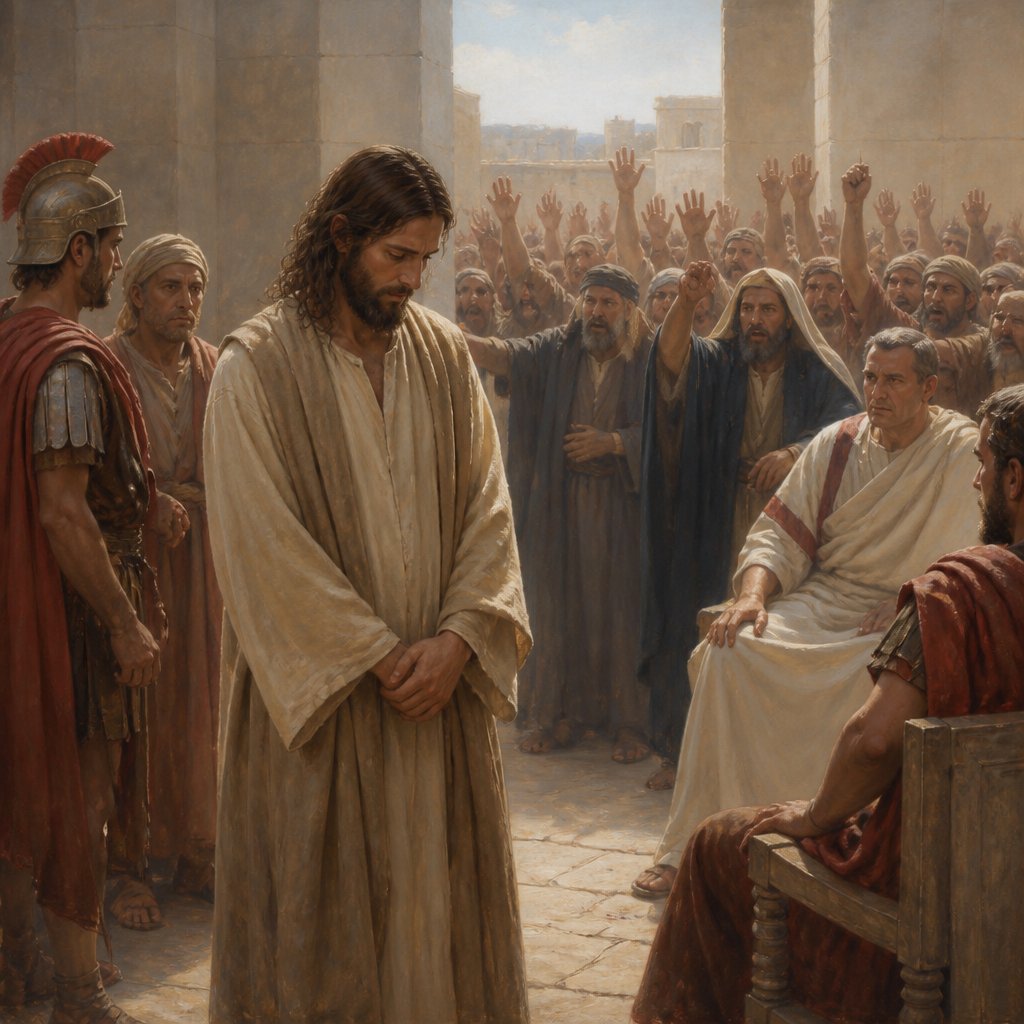
Luke 23:21 (KJV) reads, "But they cried, saying, Crucify him, crucify him." This verse comes from the story of Jesus' crucifixion, specifically during the trial before Pontius Pilate.
The context of this verse is critical to understanding its meaning. Jesus has been brought before Pilate by the religious leaders, who are seeking to have him condemned to death. Pilate, as the Roman governor, has the authority to make such a decision. However, Pilate is reluctant to condemn Jesus, as he finds no fault in him. In fact, earlier in the chapter, Pilate tells the crowd, "I have found no fault in this man" (Luke 23:4, KJV).
Pilate attempts to pass the responsibility onto Herod, the ruler of Galilee, but Herod also finds no fault in Jesus and sends him back to Pilate. As the day progresses, Pilate continues to seek a way to release Jesus, but the crowd, incited by the religious leaders, persists in demanding his crucifixion.
The words of the crowd, "Crucify him, crucify him," reveal the intense hatred and hostility toward Jesus. The religious leaders have stirred up the people, manipulating them into calling for Jesus' death. This passage highlights the fickle nature of the crowd, as only a week earlier, they had hailed Jesus as a king and laid palm branches before him as he entered Jerusalem. Now, they are shouting for him to be crucified.
The themes present in this verse include injustice, manipulation, and the fickleness of the crowd. Injustice is evident in the fact that Jesus, who is innocent, is being condemned to death. The manipulation by the religious leaders demonstrates the extent to which they are willing to go to see Jesus executed, even at the expense of truth and justice. The fickleness of the crowd serves as a cautionary tale about the danger of being swayed by popular opinion and the importance of discernment and independent thinking.
Symbolically, the crowd's demand for Jesus' crucifixion represents humanity's sinful nature and rejection of Christ. Throughout the Bible, the act of crucifixion is a powerful symbol of both suffering and redemption. Jesus' crucifixion represents the ultimate act of sacrifice and love, as he willingly lays down his life for the sins of humanity. The crowd's cry for his crucifixion reflects the sinful nature of humanity and our rejection of the salvation offered by Christ.
The story of Jesus' crucifixion and the events leading up to it ultimately serve as a reminder of the depravity of humanity and the depth of God's love and grace. Despite the injustice and hostility Jesus faced, he willingly endured the cross for the sake of humanity's redemption. In this verse, we see the culmination of the conspiracy against Jesus and the fulfillment of God's plan for salvation.
In conclusion, Luke 23:21 captures the intense hostility and injustice that Jesus faced during his trial and crucifixion. It serves as a powerful reminder of the sinful nature of humanity and the depth of God's love and sacrifice. The verse also highlights the themes of injustice, manipulation, and the fickleness of the crowd, as well as the symbolic significance of Jesus' crucifixion. Overall, this verse is a sobering portrayal of the events leading up to the crucifixion and a profound reflection on the nature of humanity and the grace of God.
Get our apps


Artwork for Luke 23:21

Luke 23:21 - "But they cried, saying, Crucify him, crucify him."

Luke 23:21 - "But they cried, saying, Crucify him, crucify him."
"But they cried, saying, Crucify him, crucify him." - Luke 23:21

Luke 21:23 - "But woe unto them that are with child, and to them that give suck, in those days! for there shall be great distress in the land, and wrath upon this people."

Luke 23:53

Luke 19:23

luke 11:23

Luke 19:23

Luke 13:20-21

Luke 13:20-21
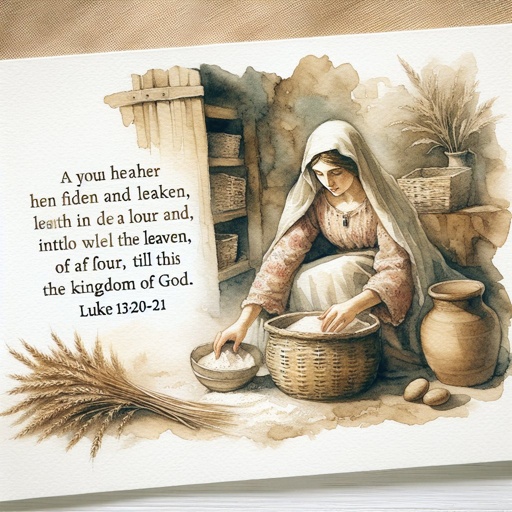
Luke 13:20-21

Luke 13:20-21

Luke 13:20-21

luke 11:23
Luke 15:23

luke 11:23

luke 11:23

Leviticus 23:21

Leviticus 23:21
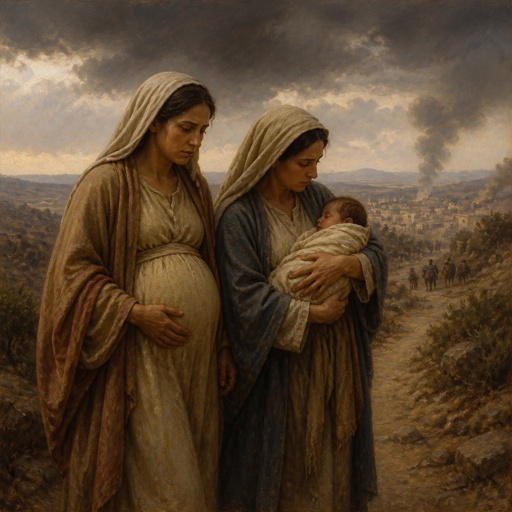
"But woe unto them that are with child, and to them that give suck, in those days! for there shall be great distress in the land, and wrath upon this people." - Luke 21:23

Luke 15:21

Luke 21:24

Luke 15:21

Leviticus 23:21

Leviticus 23:21
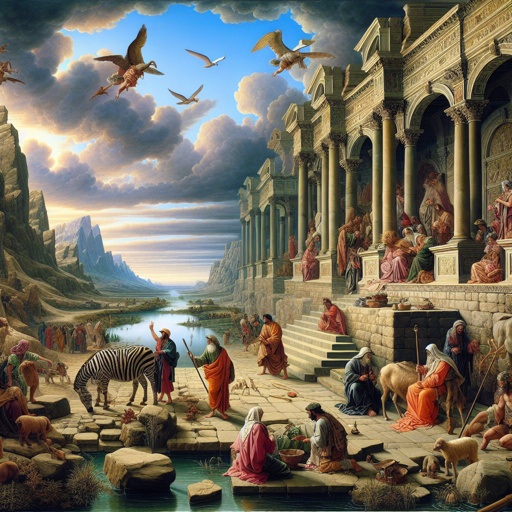
Genesis 21-23

Leviticus 23:21

Leviticus 23:21

Luke 23:54 - "And that day was the preparation, and the sabbath drew on."

Luke 23:23 - "And they were instant with loud voices, requiring that he might be crucified. And the voices of them and of the chief priests prevailed."