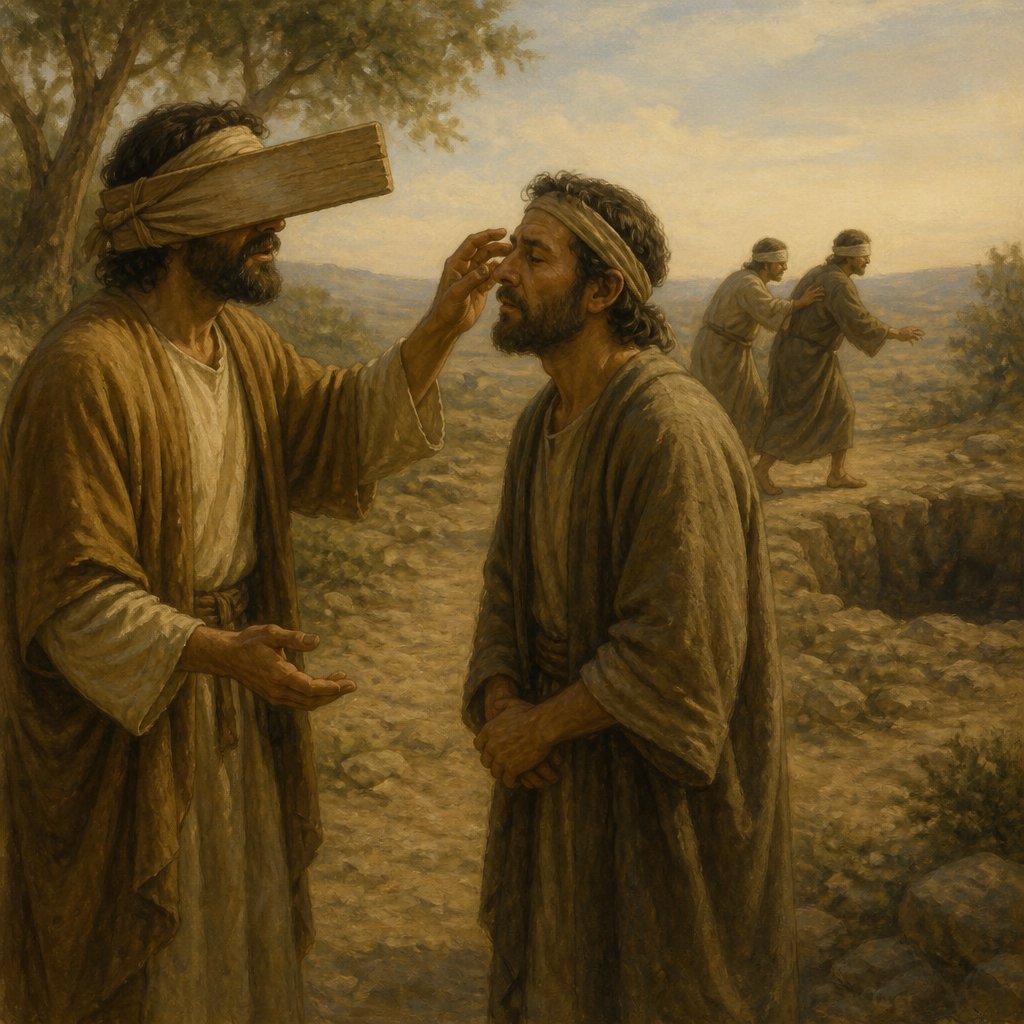
In Luke 6:39-42, Jesus speaks to his disciples about the importance of self-reflection and the consequences of being hypocritical and judgmental towards others. The passage reads:
"And he spake a parable unto them, Can the blind lead the blind? shall they not both fall into the ditch? The disciple is not above his master: but every one that is perfect shall be as his master. And why beholdest thou the mote that is in thy brother's eye, but perceivest not the beam that is in thine own eye? Either how canst thou say to thy brother, Brother, let me pull out the mote that is in thine eye, when thou thyself beholdest not the beam that is in thine own eye? Thou hypocrite, cast out first the beam out of thine own eye, and then shalt thou see clearly to pull out the mote that is in thy brother's eye."
This passage is rich in meaning and provides valuable insights into human nature, the importance of self-awareness, and the need for humility.
The parable of the blind leading the blind is a powerful metaphor for the consequences of following those who lack insight or understanding. It serves as a warning against blindly accepting leadership or guidance from individuals who are spiritually or morally blind. Jesus is encouraging his disciples to be discerning and cautious about who they follow and to seek wisdom and guidance from those who are spiritually mature and enlightened.
The passage also emphasizes the importance of self-awareness and humility. Jesus urges his disciples to examine themselves before passing judgment on others. The imagery of a mote (a small speck of dust) in someone else's eye and a beam in one's own eye is a vivid illustration of the hypocrisy of focusing on the faults of others while ignoring one's own shortcomings. Jesus uses this exaggerated imagery to make a point about the need for self-examination and the dangers of hypocrisy.
Furthermore, the passage highlights the need for individuals to address their own faults before attempting to help others with theirs. Jesus admonishes his disciples to first remove the beam from their own eye before attempting to help their brother with the mote in his eye. This underscores the importance of personal responsibility and integrity, and it challenges individuals to take ownership of their actions and attitudes before seeking to correct others.
The overarching theme of this passage is the call to humility, self-reflection, and self-improvement. It warns against the dangers of pride, hypocrisy, and judgmental attitudes, and it encourages a spirit of humility and self-awareness. Jesus is teaching his disciples the importance of being authentic, introspective, and compassionate, and he is urging them to cultivate a heart and mind that is free from hypocrisy and self-righteousness.
The context of this passage is significant as well. In the preceding verses, Jesus speaks about the importance of loving one's enemies, doing good to those who hate you, and blessing those who curse you. This sets the stage for the teaching on humility and self-examination, as it underscores the need for genuine love and compassion towards others, regardless of their actions or attitudes towards us. The message is clear: before we can truly love and help others, we must first address our own faults and cultivate a spirit of humility and grace.
In conclusion, Luke 6:39-42 is a powerful and convicting passage that challenges us to examine our own hearts and attitudes before judging others. It calls us to cultivate a spirit of humility and authenticity, and it reminds us of the importance of self-awareness and self-improvement. This passage continues to resonate with believers today as a timeless message of spiritual maturity and integrity.
Get our apps


Artwork for Luke 6:39-42

Luke 6:39-42 - "He also told them this parable: “Can the blind lead the blind? Will they not both fall into a pit? The student is not above the teacher, but everyone who is fully trained will be like their teacher. Why do you look at the speck of sawdust in your brother’s eye and pay no attention to the plank in your own eye? How can you say to your brother, ‘Brother, let me take the speck out of your eye,’ when you yourself fail to see the plank in your own eye? You hypocrite, first take the plank out of your own eye, and then you will see clearly to remove the speck from your brother’s eye."
"He also told them this parable: “Can the blind lead the blind? Will they not both fall into a pit? The student is not above the teacher, but everyone who is fully trained will be like their teacher. Why do you look at the speck of sawdust in your brother’s eye and pay no attention to the plank in your own eye? How can you say to your brother, ‘Brother, let me take the speck out of your eye,’ when you yourself fail to see the plank in your own eye? You hypocrite, first take the plank out of your own eye, and then you will see clearly to remove the speck from your brother’s eye." - Luke 6:39-42

Luke 6:39 - "And he spake a parable unto them, Can the blind lead the blind? shall they not both fall into the ditch?"

Exodus 39:42 - "According to all that the LORD commanded Moses, so the children of Israel made all the work."
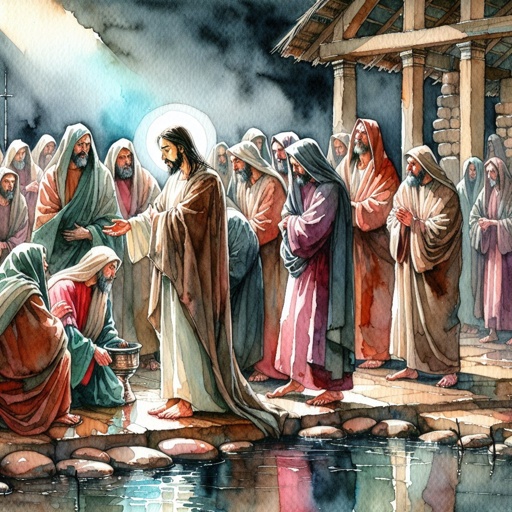
luke 22:42

Luke 22:42

Luke 24:42

luke 22:42

Luke 5:39

Luke 22:39

Luke 1:39

Luke 22:39

Luke 1:39 - 45
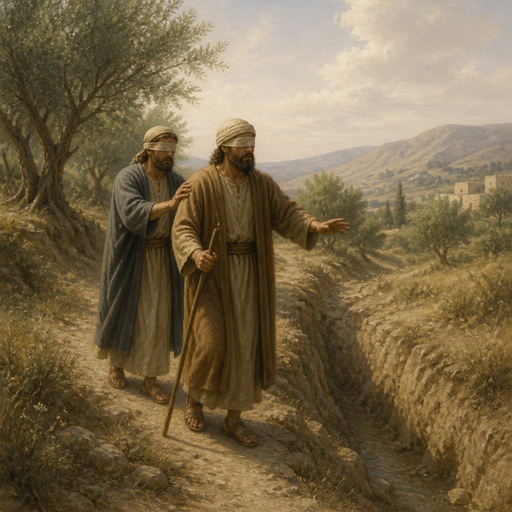
"And he spake a parable unto them, Can the blind lead the blind? shall they not both fall into the ditch?" - Luke 6:39

Luke 24:42 - "And they gave him a piece of a broiled fish, and of an honeycomb."

Genesis 39:6-12

Luke 20:39 - "¶ Then certain of the scribes answering said, Master, thou hast well said."

Luke 2:42 - "And when he was twelve years old, they went up to Jerusalem after the custom of the feast."

Mark 6:42 - "And they did all eat, and were filled."
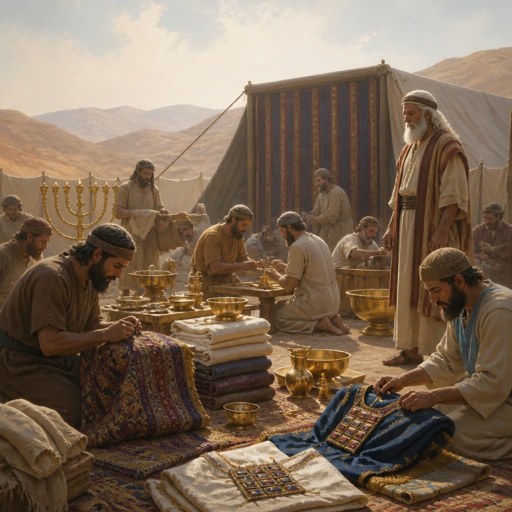
"According to all that the LORD commanded Moses, so the children of Israel made all the work." - Exodus 39:42

Luke 1:39 - "And Mary arose in those days, and went into the hill country with haste, into a city of Juda;"

Luke 18:42 - "And Jesus said unto him, Receive thy sight: thy faith hath saved thee."

Luke 22:42 - "Saying, Father, if thou be willing, remove this cup from me: nevertheless not my will, but thine, be done."

Luke 23:42 - "And he said unto Jesus, Lord, remember me when thou comest into thy kingdom."

1 Chronicles 6:42 - "The son of Ethan, the son of Zimmah, the son of Shimei,"

Job 42:6 - "Wherefore I abhor myself, and repent in dust and ashes."

Luke 19:39 - "And some of the Pharisees from among the multitude said unto him, Master, rebuke thy disciples."

Luke 10:42 - "But one thing is needful: and Mary hath chosen that good part, which shall not be taken away from her."
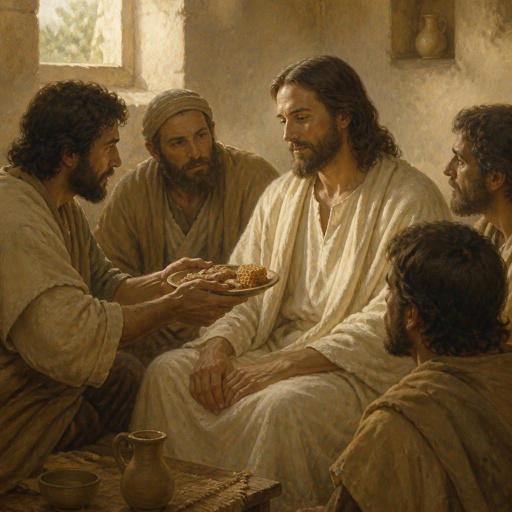
"And they gave him a piece of a broiled fish, and of an honeycomb." - Luke 24:42

Luke 5:39 - "No man also having drunk old wine straightway desireth new: for he saith, The old is better."