What does Luke 9:4 mean?
“And whatsoever house ye enter into, there abide, and thence depart.” — Luke 9:4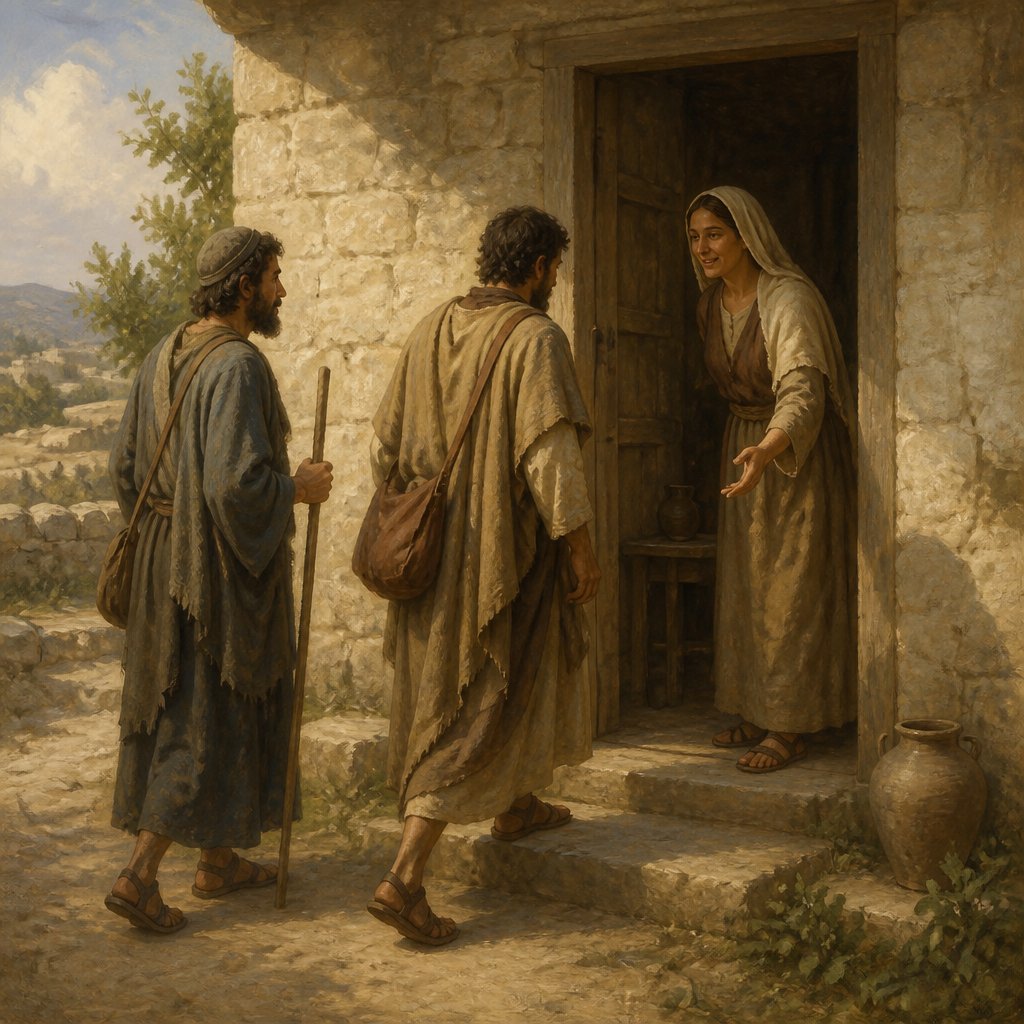
Luke 9:4 (KJV) "And whatsoever house ye enter into, there abide, and thence depart."
This verse from the Gospel of Luke is part of Jesus' instructions to the twelve apostles as he sends them out to preach the kingdom of God and to heal the sick. It is a practical instruction about the attitude and behavior the apostles should have as they carry out their mission.
The verse contains several key themes, including hospitality, humility, and trust in God's providence. It is a reminder to the apostles to rely on the hospitality of others, to be content with what they receive, and to not seek material wealth or comfort. It also serves as a lesson in humility, as the apostles are instructed to enter a house and remain there, rather than seeking out the best or most comfortable accommodations. In doing so, they are also demonstrating trust in God's providence and care, as they rely on the support and provision of others.
The context of this verse is important for understanding its meaning. In the preceding verses, Jesus gives detailed instructions to the apostles, including the authority they have been given to heal diseases and cast out demons. He also warns them of the challenges and opposition they will face, and the need to rely on God's strength and provision. Then, in verse 4, Jesus instructs the apostles on how to conduct themselves as they carry out their mission.
The symbolism in this verse can be seen in the act of entering a house and remaining there. In the ancient Near East, hospitality was a sacred duty, and the act of welcoming a guest into one's home carried deep significance. By instructing the apostles to enter a house and remain there, Jesus is emphasizing the importance of reliance on others and the value of community. It also symbolizes the apostles' dependence on the support and provision of others, as they carry out their mission.
This verse also has broader applications for contemporary Christian life. It serves as a reminder of the importance of humility, contentment, and trust in God's providence. It challenges us to rely on the support and hospitality of others, rather than seeking our own comfort and security. It also reminds us of the value of community and the spiritual significance of hospitality.
Ultimately, Luke 9:4 is a practical and profound teaching on the attitudes and behaviors that should characterize the disciples of Jesus. It emphasizes the importance of humility, contentment, and reliance on God's providence, and carries deep spiritual and symbolic significance. This verse challenges us to consider how we conduct ourselves in our own mission fields, and how we rely on the support and provision of others. It also reminds us of the value of community and the spiritual significance of hospitality.
Get our apps


Artwork for Luke 9:4

Luke 9:4 - "And whatsoever house ye enter into, there abide, and thence depart."
"And whatsoever house ye enter into, there abide, and thence depart." - Luke 9:4

Luke 4:9 - "And he brought him to Jerusalem, and set him on a pinnacle of the temple, and said unto him, If thou be the Son of God, cast thyself down from hence:"
Luke 11:9

luke 9:30

luke 9:35

luke 9:35

Luke 9:51

Luke 11:9

Luke 9:54-55

Luke 18:9-14

Luke 9:28-45

Luke 11:9-10

Luke 13:6-9

Luke 18: 9-14

luke 9:29- 30

Luke 4:29

Luke 4:18

luke 4:16

Luke 4:18

Luke 9:9 - "And Herod said, John have I beheaded: but who is this, of whom I hear such things? And he desired to see him."

Luke 8:4-18

Luke 15: 4-7

Luke 4:19 - "To preach the acceptable year of the Lord."

Luke 4:44 - "And he preached in the synagogues of Galilee."

Luke 9:15 - "And they did so, and made them all sit down."

Black and white illustration Luke 11:9

Black and white illustration Luke 11:9

Black and white illustration Luke 11:9

Luke 9:2 - "And he sent them to preach the kingdom of God, and to heal the sick."