What does Matthew 10:4 mean?
“Simon the Canaanite, and Judas Iscariot, who also betrayed him.” — Matthew 10:4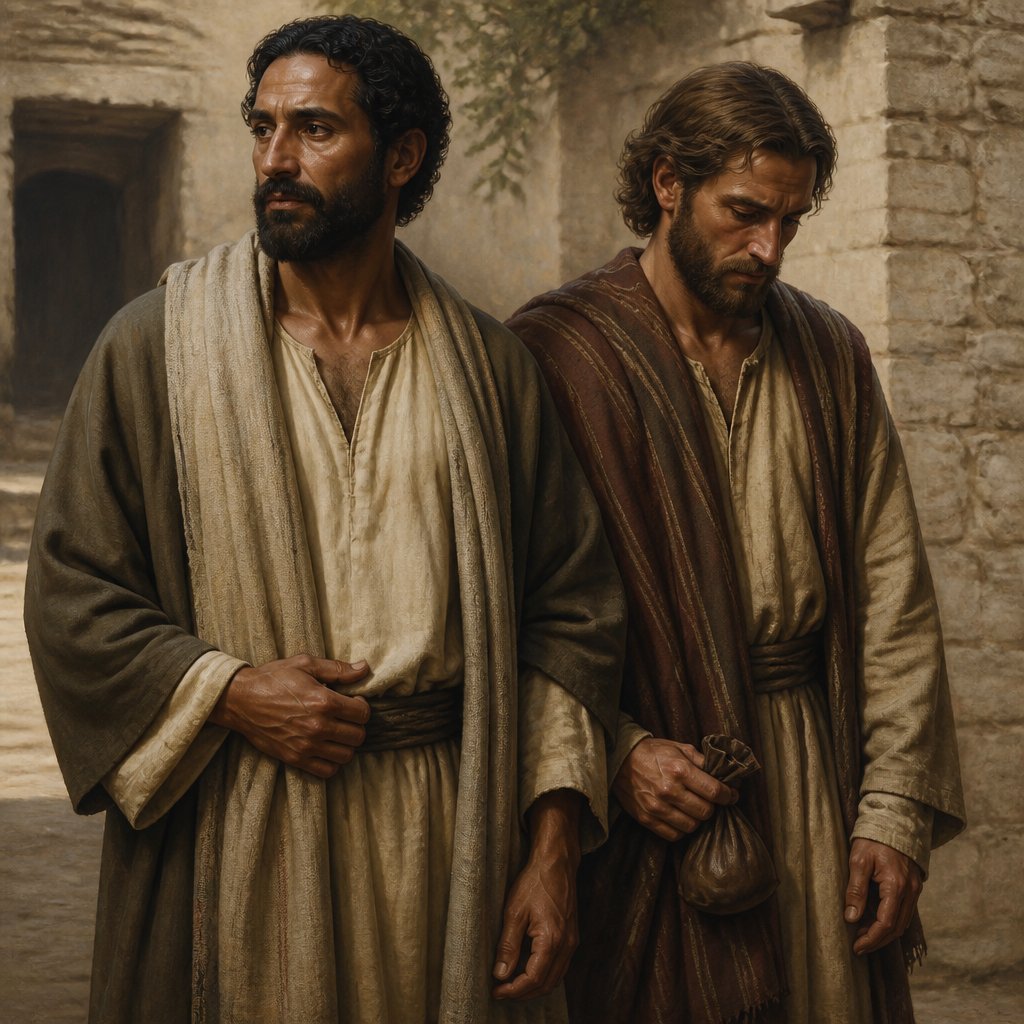
Matthew 10:4 (KJV) states, "Simon the Canaanite, and Judas Iscariot, who also betrayed him." This verse is part of a larger passage in which Jesus is commissioning his 12 disciples to go out and spread the good news of the kingdom of God. He gives them authority to heal the sick, cast out demons, and preach to the people of Israel. In this verse, Jesus is listing the names of his 12 disciples, and specifically mentions Simon the Canaanite and Judas Iscariot.
The mention of Simon the Canaanite in this verse is significant as it is the only time he is mentioned in the Bible. The term "Canaanite" is thought to refer to the region where Simon came from, possibly Cana in Galilee. It is important to note that this is not the same as the Canaanites who were the ancient inhabitants of the land of Canaan, and were often enemies of the Israelites in the Old Testament. The use of the term "Canaanite" in this context simply refers to Simon's place of origin.
Judas Iscariot, on the other hand, is a much more well-known figure in the Bible. He is infamous for betraying Jesus to the religious authorities for 30 pieces of silver, ultimately leading to Jesus' crucifixion. Judas is often seen as a symbol of betrayal and greed, and his name has become synonymous with treachery.
In the larger context of the Gospel of Matthew, the mention of Simon the Canaanite and Judas Iscariot within the list of Jesus' disciples speaks to the diversity and complexity of the group that Jesus chose to follow him. The 12 disciples came from various backgrounds and were far from perfect individuals. Simon the Canaanite and Judas Iscariot serve as reminders that even among those who were closest to Jesus, there were those who would ultimately betray him.
The mention of the 12 disciples also serves as a larger symbol of the establishment of Jesus' earthly ministry. These 12 men were chosen by Jesus to carry on his work and spread the message of the kingdom of God. Despite their flaws and failings, they were given the authority and responsibility to be ambassadors of Jesus and his teachings.
The theme of discipleship and the cost of following Jesus is also present in this verse. The later actions of Judas Iscariot in betraying Jesus stand as a warning against the temptation to prioritize personal gain over faithfulness to God. Simon the Canaanite, on the other hand, represents the potential for growth and transformation, as an individual who came from a certain background but was chosen by Jesus to be part of his inner circle.
This verse also speaks to the larger context of Jesus' ultimate sacrifice for humanity. The mention of Judas Iscariot as the one who would betray Jesus foreshadows the events to come, including Jesus' arrest, trial, and crucifixion. Despite the betrayal and the suffering that Jesus would endure, his mission to bring about the kingdom of God would ultimately prevail.
In conclusion, Matthew 10:4 is a brief but significant verse in the larger narrative of the Gospel of Matthew. It serves as a reminder of the diversity and complexity of Jesus' disciples, as well as the themes of discipleship, sacrifice, and the ultimate triumph of Jesus' mission. It also serves as a cautionary tale regarding the potential for betrayal and the importance of remaining faithful to God.
Get our apps


Artwork for Matthew 10:4

Matthew 10:4 - "Simon the Canaanite, and Judas Iscariot, who also betrayed him."

"Simon the Canaanite, and Judas Iscariot, who also betrayed him." - Matthew 10:4

Matthew 4:10

Matthew 10:2-4…Matthew 10:2-4 New International Version 2 These are the names of the twelve apostles: first, Simon (who is called Peter) and his brother Andrew; James son of Zebedee, and his brother John; 3 Philip and Bartholomew; Thomas and Matthew the tax collector; James son of Alphaeus, and Thaddaeus; 4 Simon the Zealot and Judas Iscariot, who betrayed him.

Matthew 10:2-4…Matthew 10:2-4 New International Version 2 These are the names of the twelve apostles: first, Simon (who is called Peter) and his brother Andrew; James son of Zebedee, and his brother John; 3 Philip and Bartholomew; Thomas and Matthew the tax collector; James son of Alphaeus, and Thaddaeus; 4 Simon the Zealot and Judas Iscariot, who betrayed him.

Matthew 21:21 Philippians 4:6-7 Ephesians 6:10-18 Put the words on the photo

Matthew 21:21 Philippians 4:6-7 Ephesians 6:10-18

Matthew 4:10 - "Then saith Jesus unto him, Get thee hence, Satan: for it is written, Thou shalt worship the Lord thy God, and him only shalt thou serve."

Matthew 4:10….”You shall worship the Lord your God and him only shall you serve”

Matthew 4:10… “You shall worship the Lord your God and him only shall you serve”

matthew 15 matthew 15:10

Matthew 1:10

Matthew 18:10

Matthew 1:10

Matthew 10:3 - "Philip, and Bartholomew; Thomas, and Matthew the publican; James the son of Alphaeus, and Lebbaeus, whose surname was Thaddaeus;"

for the workman is worthy his meat Matthew 10:10

for the workman is worthy of his meat Matthew 10:10

for the workman is worthy of his meat Matthew 10:10

for the workman is worthy of his meat Matthew 10:10

for the disciple is worthy of his meat Matthew 10:10

for the workman is worthy of his meat Matthew 10:10

for the workman is worthy of his meat Matthew 10:10
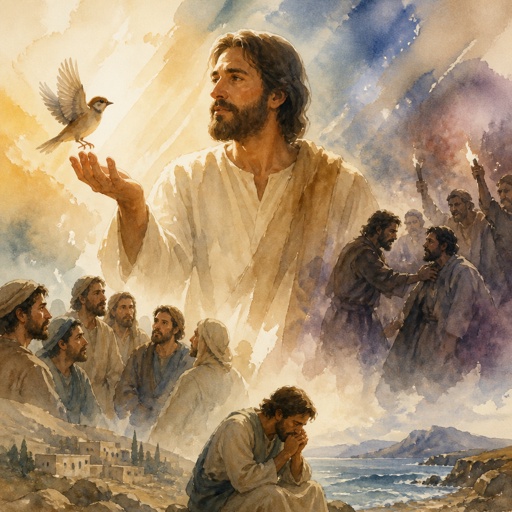
Matthew 10:26-33

Matthew 4:1

Matthew 6:4

Matthew 10:2…Matthew 10:2 These are the names of the twelve apostles: first, Simon (who is called Peter) and his brother Andrew; James son of Zebedee, and his brother John

Matthew 10:12 - "And when ye come into an house, salute it."

Matthew 14:10 - "And he sent, and beheaded John in the prison."

Matthew 2:3-4

Matthew 2:3-4