What does Matthew 10:9 mean?
“Provide neither gold, nor silver, nor brass in your purses,” — Matthew 10:9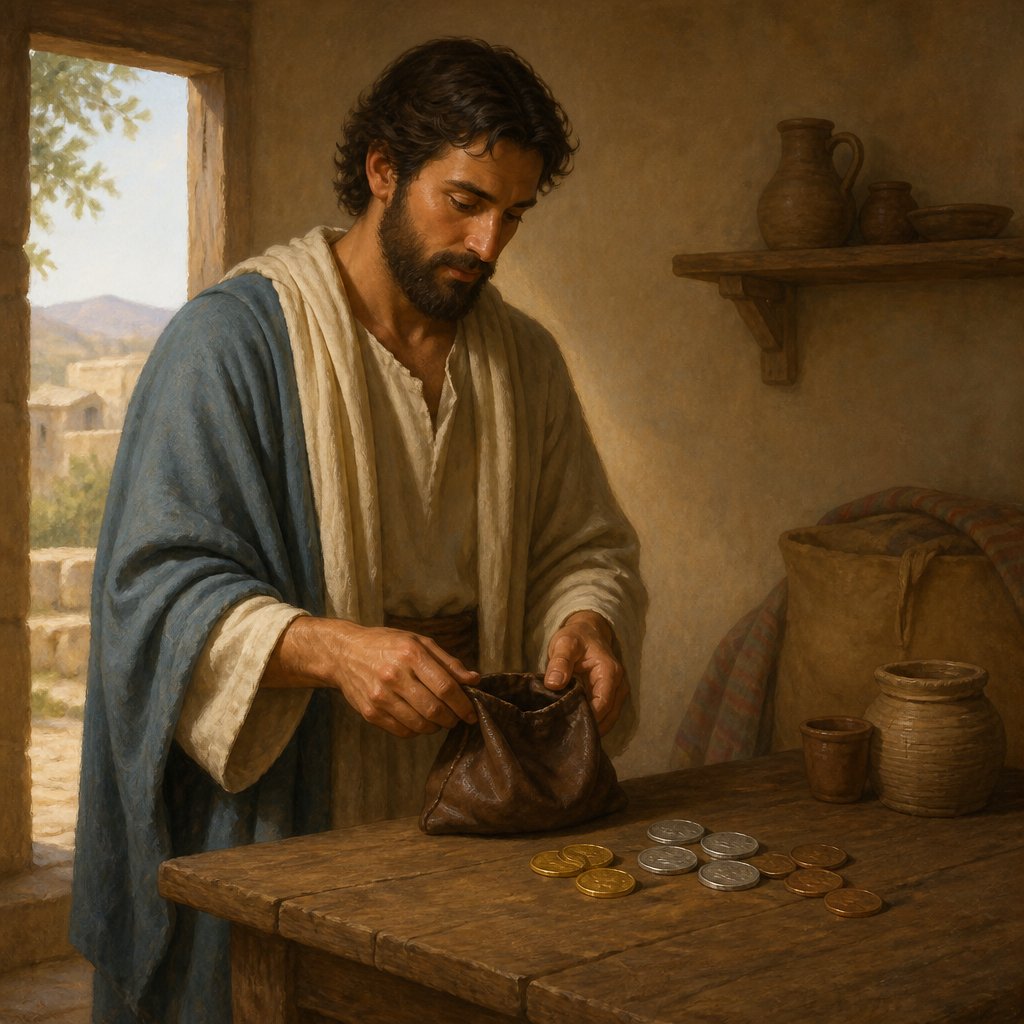
Matthew 10:9 (KJV) states, "Provide neither gold, nor silver, nor brass in your purses." This verse is part of Jesus' instructions to his disciples as he sends them out to preach the gospel to the people of Israel. In this verse, Jesus is emphasizing the importance of relying on God's provision rather than on material wealth.
The context of this verse is Jesus' commissioning of the twelve disciples to go out and spread the message of the kingdom of God. He instructs them to go only to the lost sheep of Israel and to preach that the kingdom of heaven is at hand. As Jesus sends them out, he gives them specific instructions on how they are to conduct themselves and what they are to take with them on their journey.
The theme of trust and dependence on God is central to this verse. Jesus is instructing his disciples to not rely on material wealth or possessions, but to trust in God to provide for their needs as they go out to do his work. This theme of trust in God's provision is echoed throughout the Bible, particularly in the teachings of Jesus. In the Sermon on the Mount, Jesus instructs his followers to seek first the kingdom of God and his righteousness, and all these things will be added unto them (Matthew 6:33).
The symbolism in this verse is significant as well. The disciples are instructed to not carry gold, silver, or brass in their purses. These materials were often associated with wealth and financial security in the ancient world. By instructing his disciples to not rely on these physical representations of wealth, Jesus is emphasizing the spiritual importance of trusting in God's provision. This symbolism underscores the idea that true wealth and security come from a dependence on God, rather than on material possessions.
Furthermore, this verse also speaks to the idea of detachment from worldly concerns. Jesus is instructing his disciples to be free from the love of money and material possessions as they go out to preach the gospel. This theme of detachment from worldly concerns is a common theme in the teachings of Jesus, and it is echoed in other parts of the New Testament as well. For example, the apostle Paul writes in 1 Timothy 6:10 that the love of money is the root of all evil, and in Colossians 3:2, he encourages believers to set their minds on things above, not on earthly things.
In addition, this verse also highlights the idea of simplicity and reliance on God's provision. Jesus is instructing his disciples to travel light and to trust in God to meet their needs as they go out to proclaim the message of the kingdom. This theme of simplicity and trust in God's provision is a recurring theme in the teachings of Jesus, and it is emblematic of the lifestyle that he modeled for his followers.
In conclusion, Matthew 10:9 (KJV) is a powerful and impactful verse that conveys the theme of trust and dependence on God. It serves as a reminder to believers to not rely on material wealth or possessions, but to trust in God to provide for their needs. The symbolism of this verse underscores the spiritual importance of detachment from worldly concerns and reliance on God's provision. This verse continues to be a source of encouragement and challenge for those who seek to follow Jesus wholeheartedly and trust in his provision.
Get our apps


Artwork for Matthew 10:9

Matthew 10:9 - "Provide neither gold, nor silver, nor brass in your purses,"
"Provide neither gold, nor silver, nor brass in your purses," - Matthew 10:9

Matthew 9:10 - "¶ And it came to pass, as Jesus sat at meat in the house, behold, many publicans and sinners came and sat down with him and his disciples."

Matthew 7:9-10 - "Or what man is there of you, whom if his son ask bread, will he give him a stone? Or if he ask a fish, will he give him a serpent?"

Matthew 2:9-10 - "After they had heard the king, they went on their way, and the star they had seen when it rose went ahead of them until it stopped over the place where the child was. When they saw the star, they were overjoyed."

matthew 15 matthew 15:10

Matthew 9:21

Matthew 9:21-22

Matthew 9:21-22

Matthew 9:21-22

Matthew 9:21-22

Matthew 9:21-22

Matthew 2:9

Matthew 1:10

Matthew 18:10

Matthew 1:10

Matthew 9:9 - "¶ And as Jesus passed forth from thence, he saw a man, named Matthew, sitting at the receipt of custom: and he saith unto him, Follow me. And he arose, and followed him."

Matthew 2:9

Matthew 4:10

Matthew 10:3 - "Philip, and Bartholomew; Thomas, and Matthew the publican; James the son of Alphaeus, and Lebbaeus, whose surname was Thaddaeus;"

for the workman is worthy his meat Matthew 10:10

for the workman is worthy of his meat Matthew 10:10

for the workman is worthy of his meat Matthew 10:10

for the workman is worthy of his meat Matthew 10:10

for the disciple is worthy of his meat Matthew 10:10

for the workman is worthy of his meat Matthew 10:10

for the workman is worthy of his meat Matthew 10:10
Psalm 10:9-10

Psalm 10:9-10

Matthew 6:9-13