What does Matthew 14:10 mean?
“And he sent, and beheaded John in the prison.” — Matthew 14:10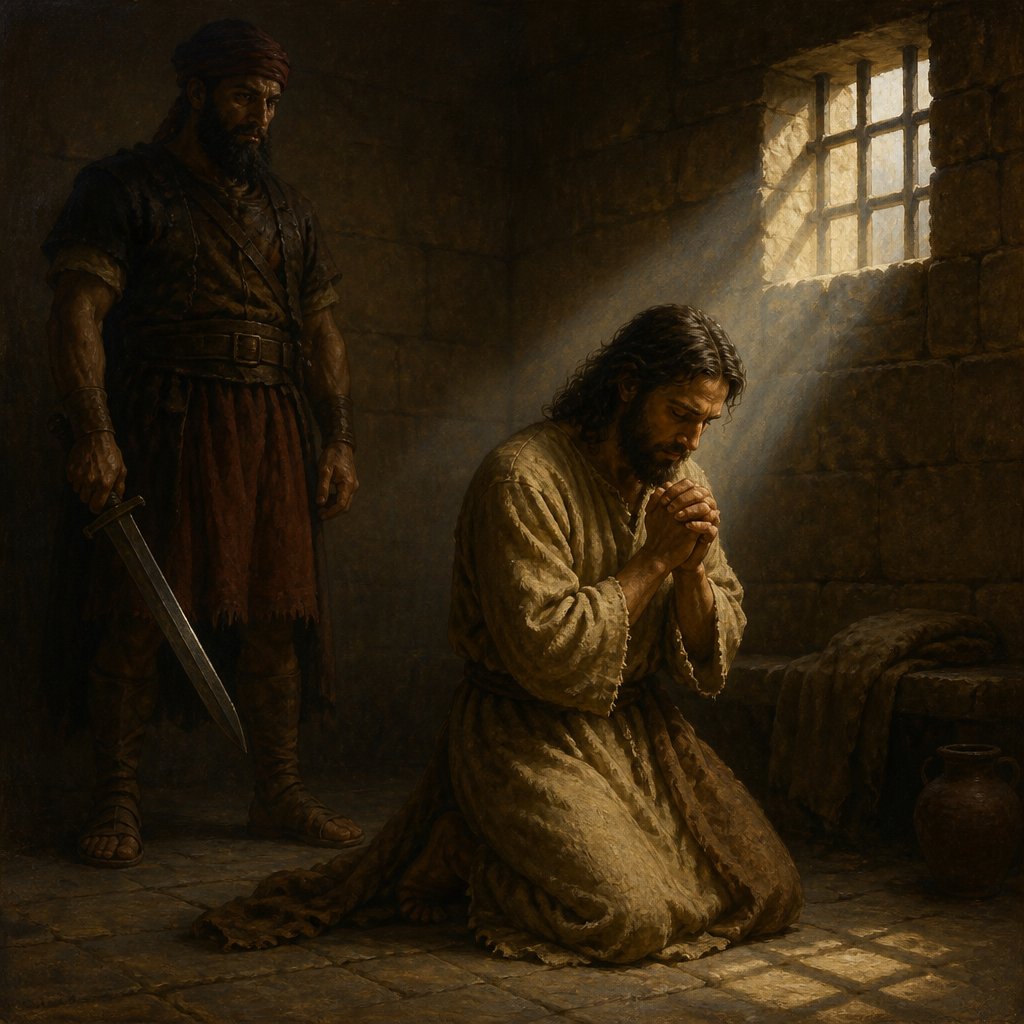
Matthew 14:10 in the King James Version reads, "And he sent, and beheaded John in the prison." This verse is part of the narrative of the death of John the Baptist, a significant figure in the New Testament. This event is a key moment in the ministry of Jesus and holds deep symbolism and themes relevant to the Christian faith.
The context of this verse is crucial to understanding its significance. In the preceding verses, Herod Antipas, the ruler of Galilee, is depicted as having arrested John the Baptist due to his public condemnation of Herod's marriage to his brother's wife, Herodias. Herod is portrayed as being reluctant to execute John because he recognized him as a righteous and holy man. However, due to a rash oath he made in front of his guests, Herod was compelled to order the execution of John in order to avoid embarrassment and maintain his authority. Therefore, the verse reveals the fulfillment of Herod's command as John is beheaded in his prison cell.
One prominent theme in this verse is the cost of discipleship. John the Baptist is an example of someone who was uncompromising in his commitment to truth and righteousness, even in the face of powerful opposition. By remaining faithful to his calling to preach repentance and righteousness, John ultimately paid the ultimate price with his life. In the broader context of the Gospel, this theme is echoed by Jesus himself, who taught his followers that they must be willing to take up their cross and follow him, even if it means suffering and persecution.
The verse also highlights the conflict between worldly powers and the kingdom of God. Herod's decision to execute John was driven by his desire to maintain his political power and status. This stands in stark contrast to the message of the gospel, which calls for humility, service, and sacrificial love. The execution of John serves as a poignant reminder of the clash between the values of the kingdom of God and the values of the world.
Symbolism is also present in this verse, particularly in the act of beheading. The violent manner of John's death underscores the harsh reality of persecution and martyrdom faced by many early Christian believers. The act of beheading also carries deeper symbolic significance, as it represents the severing of John's physical life while also signaling his entrance into eternal life with God. Christians have historically viewed martyrdom as a testament to the faith and devotion of those who are willing to die for their beliefs. In this way, John's death becomes a symbol of Christian perseverance and the triumph of faith in the face of adversity.
Furthermore, the verse serves as a call to reflection and introspection for believers. It prompts readers to consider their own commitment to the principles of the gospel and the potential cost of adhering to those principles in a world that may not always be accepting or understanding. It challenges believers to stand firm in their faith and to prioritize their allegiance to God above all else.
In conclusion, Matthew 14:10 captures a pivotal moment in the biblical narrative with profound implications for the Christian faith. It touches on themes of discipleship, the conflict between worldly power and God's kingdom, and the symbolism of martyrdom. This verse challenges believers to examine their own devotion and readiness to endure hardships for the sake of their faith. The narrative of John the Baptist's death serves as a powerful reminder of the ultimate sacrifice made by those who remain faithful to the call of God, and it inspires believers to remain steadfast in their commitment to the gospel.
Get our apps


Artwork for Matthew 14:10

Matthew 14:10 - "And he sent, and beheaded John in the prison."
"And he sent, and beheaded John in the prison." - Matthew 14:10

Matthew 10:14 - "And whosoever shall not receive you, nor hear your words, when ye depart out of that house or city, shake off the dust of your feet."

matthew 15 matthew 15:10

Matthew 7:13-14

Matthew 7:13-14

Matthew 7:13-14

Matthew 7:13-14

Matthew 7:13-14

Matthew 7:13-14

Matthew 7:13-14

Matthew 7:13-14

Matthew 7:13-14

Matthew 7:13-14

Matthew 7:13-14

Matthew 5:14

Matthew 6:14

Matthew 5:14
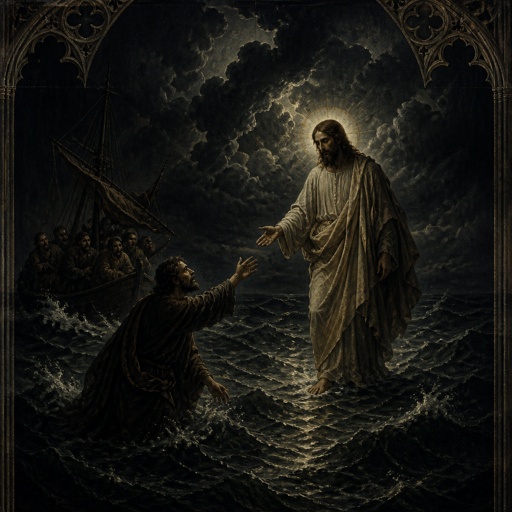
Matthew 14:27
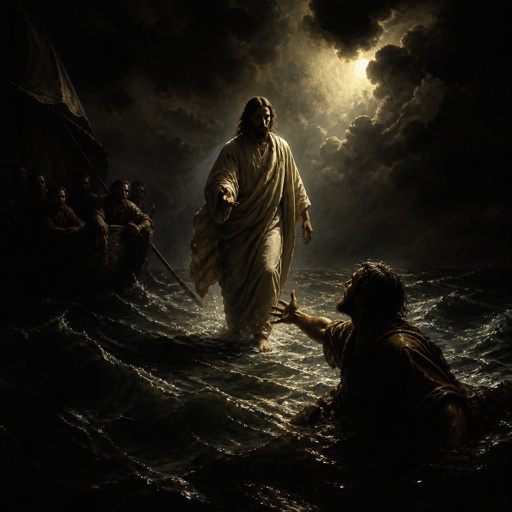
Matthew 14:27
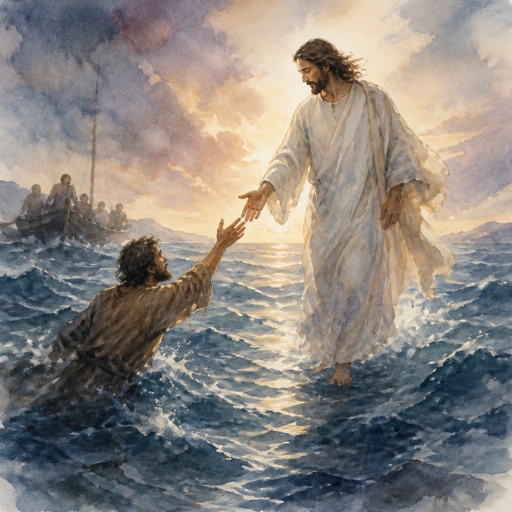
Matthew 14:27

matthew 2:14

Matthew 1:10

Matthew 18:10

Matthew 1:10

Matthew 7:13-14

Matthew 7:13-14

Matthew 7:13-14

Matthew 7:13-14

Matthew 7:13-14