What does Matthew 15:10 mean?
“And he called the multitude, and said unto them, Hear, and understand:” — Matthew 15:10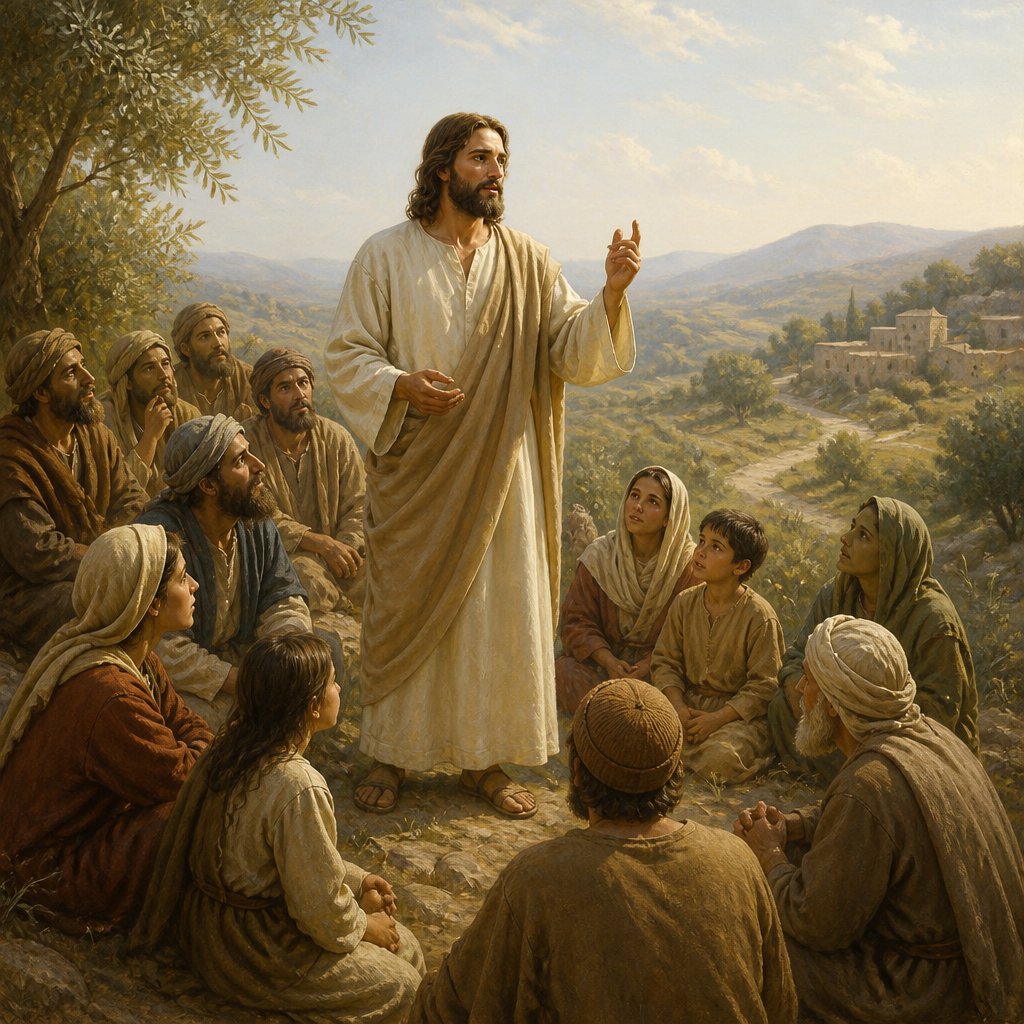
Matthew 15:10 (KJV) states, "And he called the multitude, and said unto them, Hear, and understand." This verse is part of a larger passage in the Gospel of Matthew that details an encounter between Jesus and the Pharisees and scribes. In order to fully understand the meaning and significance of this verse, it is important to examine the surrounding context and the broader themes present in the passage.
In the preceding verses, we see Jesus addressing the Pharisees and scribes, who had questioned him about his disciples' failure to follow the tradition of washing their hands before eating. In response, Jesus rebukes them, pointing out their hypocrisy in prioritizing tradition over the commandments of God. This sets the stage for the verse in question, as Jesus then turns to the multitude and calls their attention, urging them to listen and understand what he is about to say.
The context of this verse is significant in understanding its meaning. Jesus' audience is a diverse multitude, comprised of both Jews and Gentiles, as well as individuals from various social and economic backgrounds. By addressing the multitude, Jesus emphasizes the universality of his message and the importance of understanding spiritual truths. This act of including all who were present in the teaching of the truth is a thematic element that runs throughout the gospel of Matthew, as Jesus consistently reaches out to individuals from all walks of life.
The phrase "Hear, and understand" underscores the importance of active listening and comprehension of spiritual truths. Throughout the Bible, the act of hearing is often associated with obedience and responsiveness to God's word. The psalmist writes in Psalm 95:7, "Today, if you will hear His voice, harden not your heart." Similarly, the concept of understanding is linked to discernment and wisdom, reflecting a deeper insight into God's will and purposes.
Moreover, this verse also points to Jesus' role as a teacher and spiritual leader. By calling the multitude to listen and understand, Jesus positions himself as one who imparts spiritual truths and wisdom. This aligns with the broader theme of Jesus as a divine teacher and the embodiment of divine wisdom, as seen in passages such as Matthew 11:29 where Jesus declares, "Take my yoke upon you, and learn of me; for I am meek and lowly in heart: and ye shall find rest unto your souls."
In addition to its immediate context, Matthew 15:10 also carries symbolic significance. The act of calling the multitude and telling them to hear and understand can be seen as a metaphor for the broader mission of Jesus to proclaim the message of the kingdom of God to all people. The multitude represents humanity as a whole, and Jesus' call to listen and understand reflects the universal invitation to heed the teachings of Christ and embrace the salvation that he offers.
Overall, Matthew 15:10 reflects the themes of inclusivity, spiritual discernment, and Jesus' role as a divine teacher. By calling the multitude to hear and understand, Jesus emphasizes the importance of actively listening to his message and gaining insight into the deeper truths of God. This verse serves as a reminder of the universal relevance of Jesus' teachings and the invitation for all people to embrace the wisdom and salvation that he offers.
Get our apps


Artwork for Matthew 15:10

matthew 15 matthew 15:10

Matthew 15:10 - "¶ And he called the multitude, and said unto them, Hear, and understand:"
"¶ And he called the multitude, and said unto them, Hear, and understand:" - Matthew 15:10

Matthew 10:15 - "Verily I say unto you, It shall be more tolerable for the land of Sodom and Gomorrha in the day of judgment, than for that city."

Matthew 26:15

Matthew 26:15

Matthew 15:23

Matthew 24:15

Matthew 15:15 - "Then answered Peter and said unto him, Declare unto us this parable."

Matthew 5:15

Matthew 15:23

Matthew 5:15
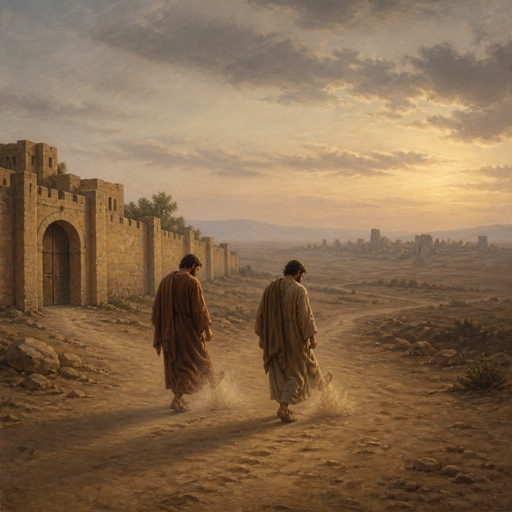
"Verily I say unto you, It shall be more tolerable for the land of Sodom and Gomorrha in the day of judgment, than for that city." - Matthew 10:15

Matthew 17:14-15

Matthew 1:10

Matthew 18:10

Matthew 1:10

Matthew 15 : 1-20

Matthew 4:10

Matthew 10:3 - "Philip, and Bartholomew; Thomas, and Matthew the publican; James the son of Alphaeus, and Lebbaeus, whose surname was Thaddaeus;"

for the workman is worthy his meat Matthew 10:10

for the workman is worthy of his meat Matthew 10:10

for the workman is worthy of his meat Matthew 10:10

for the workman is worthy of his meat Matthew 10:10

for the disciple is worthy of his meat Matthew 10:10

for the workman is worthy of his meat Matthew 10:10

for the workman is worthy of his meat Matthew 10:10

Matthew 1:15 - "And Eliud begat Eleazar; and Eleazar begat Matthan; and Matthan begat Jacob;"
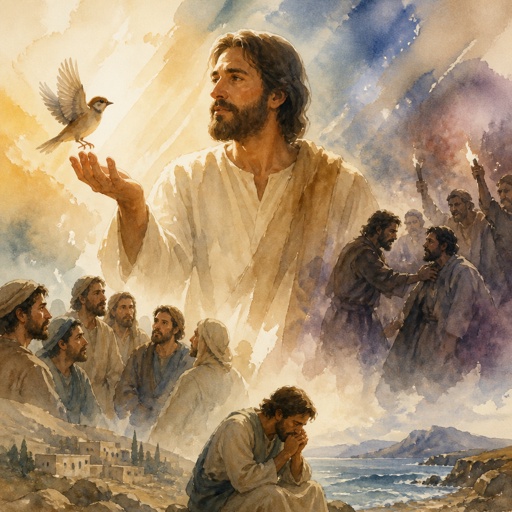
Matthew 10:26-33

Matthew 15:35 - "And he commanded the multitude to sit down on the ground."