What does Matthew 18:33 mean?
“Shouldest not thou also have had compassion on thy fellowservant, even as I had pity on thee?” — Matthew 18:33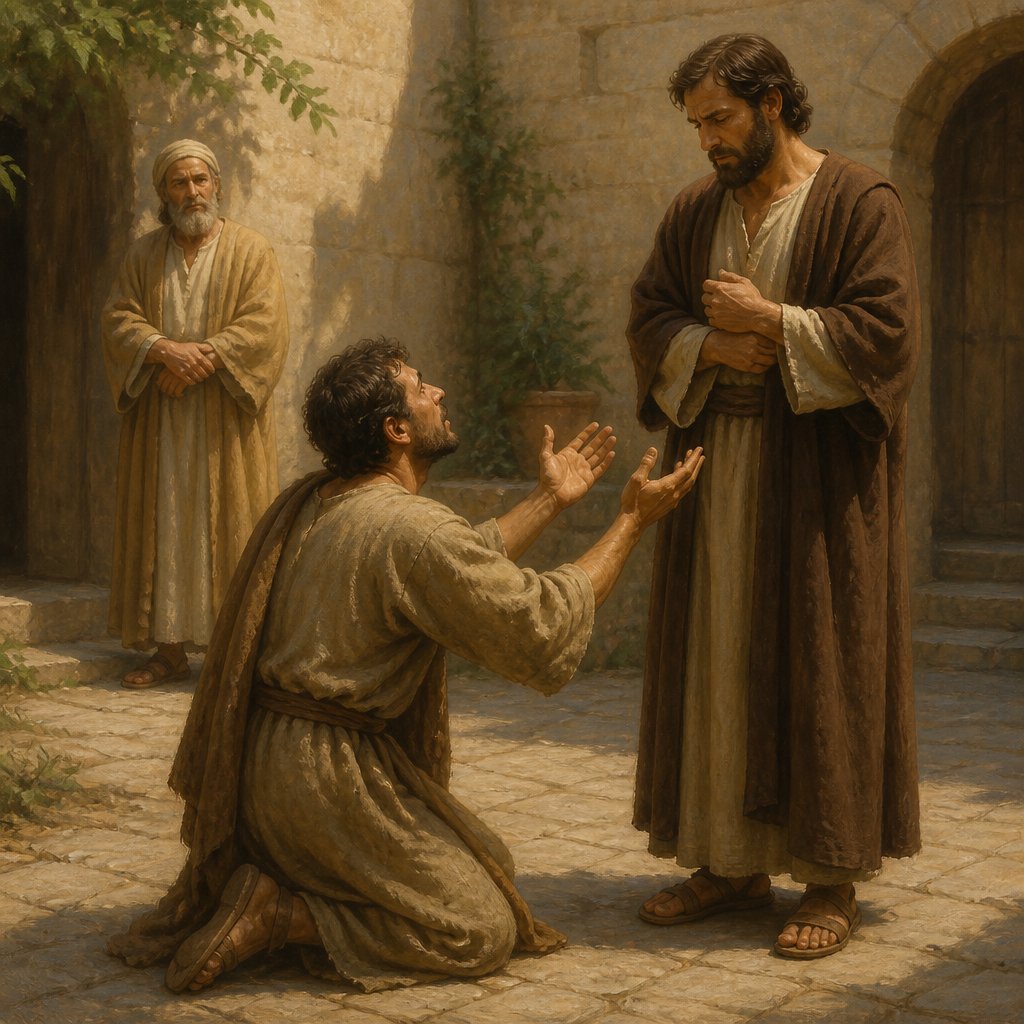
Matthew 18:33 (KJV) reads, "Shouldest not thou also have had compassion on thy fellowservant, even as I had pity on thee?"
This verse is a part of the parable of the unforgiving servant, which Jesus tells in response to Peter's question about how many times he should forgive someone who sins against him. This parable is found in the Gospel of Matthew, and it is a powerful illustration of the importance of forgiveness and the consequences of an unforgiving heart. In this parable, a king forgives a servant's enormous debt, only for that servant to turn around and refuse to forgive a much smaller debt owed to him by a fellow servant. The king is enraged by the unforgiving servant's lack of compassion and ultimately hands him over to the torturers until he can repay his original debt.
The verse Matthew 18:33 represents the climax of the parable, wherein the king confronts the unforgiving servant and asks him why he did not show the same compassion and pity that had been extended to him. This question serves as a direct rebuke to the servant's lack of forgiveness and highlights the hypocrisy of his actions.
The theme of forgiveness is central to this verse and to the parable as a whole. It underscores the importance of understanding and appreciating the forgiveness that one has received and extending that same forgiveness to others. It emphasizes the idea that those who have been forgiven much should also be quick to forgive others. In this parable, the king's forgiveness of the servant's enormous debt serves as a metaphor for God's boundless mercy and grace. The servant's refusal to forgive his fellow servant, in contrast, represents a failure to understand and internalize the mercy he has been shown.
Another important theme in this verse is the idea of compassion and empathy. The king's question highlights the lack of compassion shown by the unforgiving servant. It underscores the importance of empathizing with others and showing kindness and understanding, especially towards those who have wronged us. By posing this question, the king challenges the servant to consider the implications of his actions and to recognize the moral and ethical responsibility to treat others as he himself has been treated.
The context of this verse within the larger parable is significant. It comes at a pivotal moment when the unforgiving servant's actions are being revealed and judged. The king's question serves as a turning point in the narrative, as it directly confronts the servant's hypocrisy and forces him to confront the consequences of his unforgiving spirit.
Symbolism in this verse can be found in the king, who represents God, and the servants, who represent humanity. The forgiveness of the king symbolizes God's boundless mercy and grace, while the debts represent the sins and shortcomings of humanity. The unforgiving servant's reaction to his fellow servant's debt symbolizes the human struggle with forgiveness and the refusal to extend the same compassion that has been shown to us by God.
In conclusion, Matthew 18:33 is a powerful and convicting verse that underscores the importance of forgiveness, compassion, and empathy. It challenges us to consider the depth of God's mercy and grace towards us and to extend that same mercy and grace to others. It serves as a reminder of our moral and ethical responsibility to treat others with kindness and understanding, just as we have been treated by God. This verse serves as an important lesson in the Christian faith, reminding believers of the transformative power of forgiveness and the sobering consequences of an unforgiving heart.
Get our apps


Artwork for Matthew 18:33

Matthew 18:33 - "Shouldest not thou also have had compassion on thy fellowservant, even as I had pity on thee?"
"Shouldest not thou also have had compassion on thy fellowservant, even as I had pity on thee?" - Matthew 18:33

Genesis 18-33

Matthew 14:22-33
Matthew 10:26-33

Numbers 33:18 - "And they departed from Hazeroth, and pitched in Rithmah."

Matthew 22:33 - "And when the multitude heard this, they were astonished at his doctrine."

Matthew 6:33. Seeking God's righteousness

Matthew 20:33 - "They say unto him, Lord, that our eyes may be opened."

Matthew 25:33 - "And he shall set the sheep on his right hand, but the goats on the left."

Matthew 27:33 - "And when they were come unto a place called Golgotha, that is to say, a place of a skull,"

Exodus 33:18 - "And he said, I beseech thee, shew me thy glory."

Matthew 14:33 - "Then they that were in the ship came and worshipped him, saying, Of a truth thou art the Son of God."

Matthew 18:6

Matthew 18:10

Matthew 18:6

Matthew 6:18

Matthew 18:20
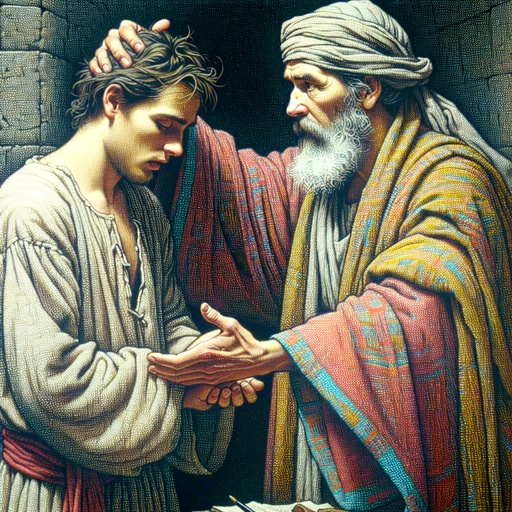
Matthew 18:32-33 Then his lord, after that he had called him, said unto him, O thou wicked servant, I forgave thee all that debt, because thou desiredst me: Shouldest not thou also have had compassion on thy fellowservant, even as I had pity on thee?

Deuteronomy 33:18 - "¶ And of Zebulun he said, Rejoice, Zebulun, in thy going out; and, Issachar, in thy tents."

Matthew 6:33 - "But seek ye first the kingdom of God, and his righteousness; and all these things shall be added unto you."

Matthew 9:33 - "And when the devil was cast out, the dumb spake: and the multitudes marvelled, saying, It was never so seen in Israel."

Matthew 8:33 - "And they that kept them fled, and went their ways into the city, and told every thing, and what was befallen to the possessed of the devils."

Matthew 24:33 - "So likewise ye, when ye shall see all these things, know that it is near, even at the doors."

Matthew 6:18

Matthew 18:20

Matthew 18:6

Matthew 18:20

"And they departed from Hazeroth, and pitched in Rithmah." - Numbers 33:18

Psalms 33:18 - "Behold, the eye of the LORD is upon them that fear him, upon them that hope in his mercy;"