What does Matthew 26:69 mean?
“Now Peter sat without in the palace: and a damsel came unto him, saying, Thou also wast with Jesus of Galilee.” — Matthew 26:69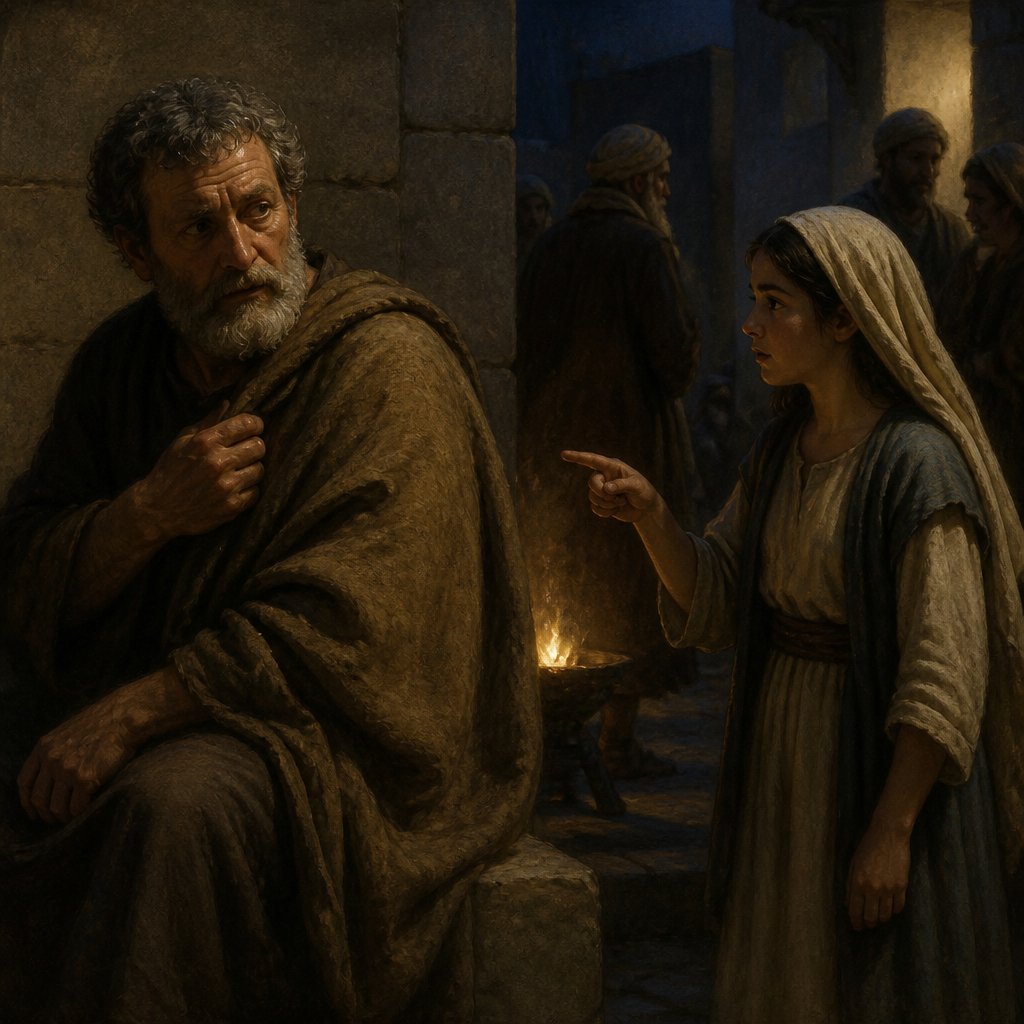
The Bible verse Matthew 26:69 in the King James Version (KJV) reads: "Now Peter sat without in the palace: and a damsel came unto him, saying, Thou also wast with Jesus of Galilee." This verse is part of the narrative of Peter's denial of Jesus, which occurs on the evening of Jesus' arrest and subsequent crucifixion.
To fully understand the significance of this verse, it is important to examine the context in which it is found. The chapter as a whole focuses on the events leading up to Jesus' betrayal and crucifixion. Jesus has just finished sharing the Last Supper with his disciples and has warned them that they will all fall away because of him. Peter vehemently denies this, claiming that even if everyone else falls away because of Jesus, he never will. Jesus then foretells that Peter will deny him three times before the rooster crows.
The specific verse in question occurs after Peter has followed Jesus to the high priest's courtyard, where he has been waiting to see what will happen. As he is sitting outside, a young woman approaches him and accuses him of being with Jesus. This interaction sets the stage for Peter's eventual denial of Jesus, fulfilling Jesus' earlier prophecy.
The themes present in this verse include the resilience and fragility of human faith, the consequences of denying Christ, and the faithfulness of God despite human weakness and failure. The verse serves as a powerful reminder of the human propensity to deny Christ when faced with adversity, as well as the importance of remaining steadfast in one's faith.
The damsel's accusation to Peter also carries significant symbolic weight. In this moment, Peter is faced with the choice of acknowledging his association with Jesus or denying it. His decision ultimately reveals the depths of his faith and his courage in standing up for what he believes in. The damsel's statement is a reflection of the societal pressure and persecution faced by early Christians, as well as the internal struggle that many individuals grapple with when confronted with the choice to openly acknowledge their faith.
Moreover, the verse serves as a poignant reminder of the human tendency to fail and fall short of God's expectations. Despite Peter's bold declaration of unwavering loyalty to Jesus, he succumbs to fear and denies any association with him. This serves as a cautionary tale for believers, highlighting the importance of humility, self-awareness, and reliance on God's strength rather than their own.
In a broader theological context, this verse speaks to the redemptive power of Christ and the forgiveness offered to those who repent and turn back to Him. Despite Peter's denial, he is ultimately restored and forgiven by Jesus, highlighting the boundless mercy and grace of God.
In conclusion, Matthew 26:69 in the King James Version presents a powerful and thought-provoking account of Peter's denial of Jesus. The verse carries rich thematic, contextual, and symbolic implications, offering significant insights into the complexities of human faith and the transformative power of divine forgiveness. It serves as a sobering reminder of the challenges and temptations faced by believers, as well as the ultimate hope and reconciliation found in Christ.
Get our apps


Artwork for Matthew 26:69

Matthew 26:69 - "¶ Now Peter sat without in the palace: and a damsel came unto him, saying, Thou also wast with Jesus of Galilee."
"¶ Now Peter sat without in the palace: and a damsel came unto him, saying, Thou also wast with Jesus of Galilee." - Matthew 26:69

Matthew 26:69-75 - "Now Peter was sitting out in the courtyard, and a servant girl came to him. “You also were with Jesus of Galilee,” she said. But he denied it before them all. “I don’t know what you’re talking about,” he said. Then he went out to the gateway, where another servant girl saw him and said to the people there, “This fellow was with Jesus of Nazareth.” He denied it again, with an oath: “I don’t know the man!” After a little while, those standing there went up to Peter and said, “Surely you are one of them; your accent gives you away.” Then he began to call down curses, and he swore to them, “I don’t know the man!” Immediately a rooster crowed. Then Peter remembered the word Jesus had spoken: “Before the rooster crows, you will disown me three times.” And he went outside and wept bitterly."
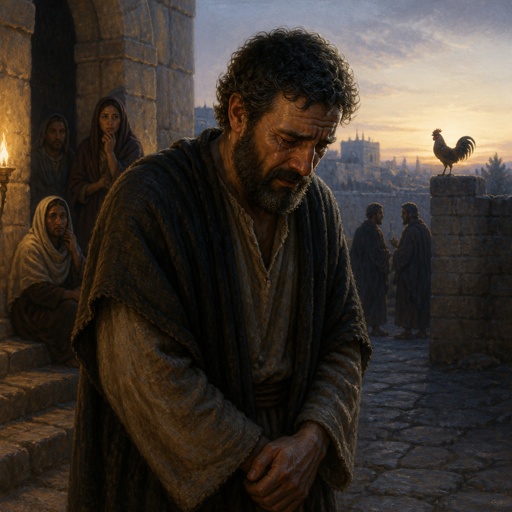
"Now Peter was sitting out in the courtyard, and a servant girl came to him. “You also were with Jesus of Galilee,” she said. But he denied it before them all. “I don’t know what you’re talking about,” he said. Then he went out to the gateway, where another servant girl saw him and said to the people there, “This fellow was with Jesus of Nazareth.” He denied it again, with an oath: “I don’t know the man!” After a little while, those standing there went up to Peter and said, “Surely you are one of them; your accent gives you away.” Then he began to call down curses, and he swore to them, “I don’t know the man!” Immediately a rooster crowed. Then Peter remembered the word Jesus had spoken: “Before the rooster crows, you will disown me three times.” And he went outside and wept bitterly." - Matthew 26:69-75

Psalms 69:26 - "For they persecute him whom thou hast smitten; and they talk to the grief of those whom thou hast wounded."
"For they persecute him whom thou hast smitten; and they talk to the grief of those whom thou hast wounded." - Psalms 69:26

Matthew 26:25

Matthew 26:15

Matthew 19:26

Matthew 26:15

Matthew 27:26

Matthew 27:26

Matthew 26:53

Matthew 26:41

Matthew 26:65

Matthew 26:53
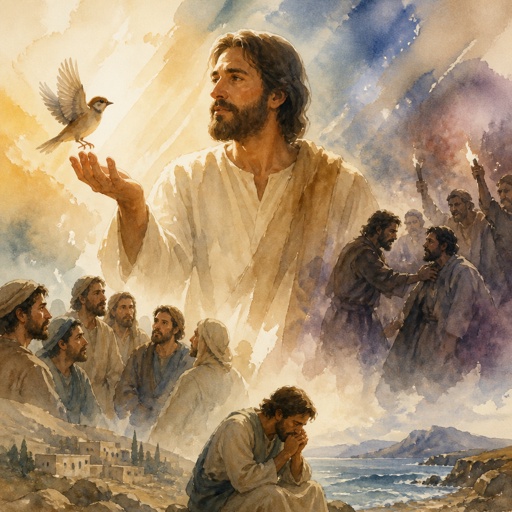
Matthew 10:26-33
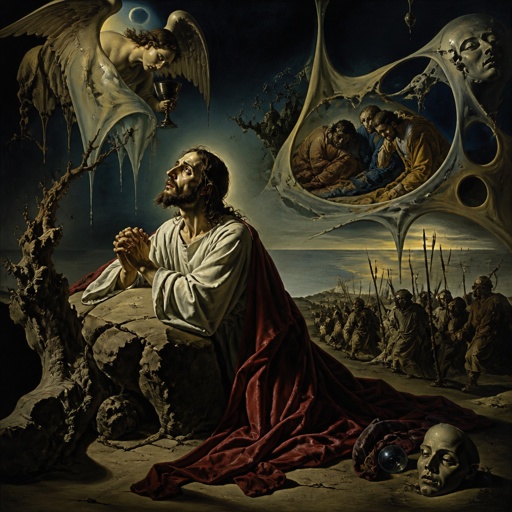
Matthew 26:36-46

Matthew 26:26 - "¶ And as they were eating, Jesus took bread, and blessed it, and brake it, and gave it to the disciples, and said, Take, eat; this is my body."

Matthew 22:26 - "Likewise the second also, and the third, unto the seventh."

Matthew 9:26 - "And the fame hereof went abroad into all that land."

Matthew 26:54 - "But how then shall the scriptures be fulfilled, that thus it must be?"

Matthew 26:6 - "¶ Now when Jesus was in Bethany, in the house of Simon the leper,"

Matthew 26:4 - "And consulted that they might take Jesus by subtilty, and kill him."

Matthew 26:5 - "But they said, Not on the feast day, lest there be an uproar among the people."

Matthew 26:16 - "And from that time he sought opportunity to betray him."

Matthew 26:72 - "And again he denied with an oath, I do not know the man."

Matthew 11:26 - "Even so, Father: for so it seemed good in thy sight."

Matthew 26:30 - "And when they had sung an hymn, they went out into the mount of Olives."

Matthew 26:20 - "Now when the even was come, he sat down with the twelve."