What does Matthew 7:5 mean?
“Thou hypocrite, first cast out the beam out of thine own eye; and then shalt thou see clearly to cast out the mote out of thy brother’s eye.” — Matthew 7:5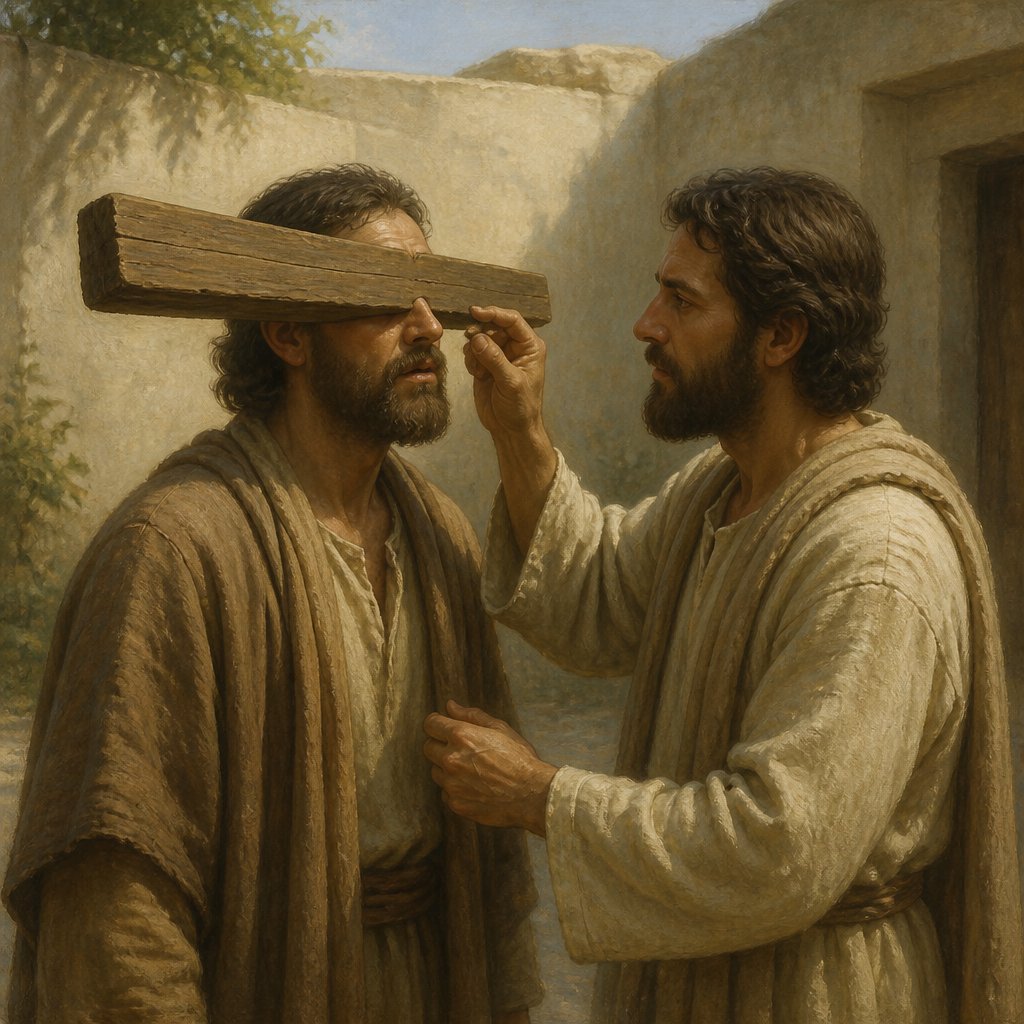
“Thou hypocrite, first cast out the beam out of thine own eye; and then shalt thou see clearly to cast out the mote out of thy brother's eye.” - Matthew 7:5 (KJV)
The verse Matthew 7:5 from the King James Version of the Bible is a powerful reminder of the need for self-reflection and self-improvement before passing judgment on others. It is a verse that speaks to the human tendency to focus on the faults of others while ignoring our own flaws, and it calls for a humble and introspective approach to personal growth.
The context of this verse is important to understanding its true meaning. In the preceding verses, Jesus speaks about the danger of judging others and the importance of examining one’s own behavior before criticizing others. He uses the metaphor of a “beam” in one’s eye to illustrate the idea of a major fault or sin that obstructs one’s vision and prevents them from seeing clearly. This imagery is contrasted with the “mote” in someone else’s eye, which represents a minor fault or imperfection. The message is clear: before attempting to help others with their faults, we must first address our own major shortcomings.
The theme of self-examination and humility is central to this verse. It challenges us to consider our own actions and attitudes before we point fingers at others. It encourages us to cultivate a spirit of self-awareness and personal responsibility, rather than placing the blame on those around us. This message is consistent with Jesus’ teachings throughout the Gospels, emphasizing the importance of repentance, forgiveness, and the transformation of the human heart.
The symbolism of the “beam” and the “mote” also carries a deeper significance. The beam represents a major sin or character flaw that distorts our perception and prevents us from seeing the truth clearly. It may be a deeply ingrained habit, a destructive attitude, or a moral failing that needs to be addressed. The mote, on the other hand, represents the minor faults of others that we are quick to notice and criticize. By using this metaphor, Jesus highlights the irony of those who are quick to judge others while being blind to their own faults.
In a broader theological context, this verse speaks to the universal human experience of sin and moral failing. It acknowledges the presence of imperfection and the need for repentance in the lives of believers. It also points to the redemptive power of self-awareness, confession, and transformation through grace. The call to “cast out the beam” from our own eye is a call to seek redemption and healing, to confront our own brokenness, and to allow God to work in us before seeking to help others.
This verse is particularly relevant in the modern world, where judgment and criticism are often rampant, both in personal relationships and in the public sphere. It challenges us to approach others with empathy and understanding, rather than condemnation. It also reminds us that our own spiritual growth and moral integrity are ongoing processes that require continual self-examination and humility.
In conclusion, Matthew 7:5 from the King James Version of the Bible carries a timeless and universal message about the importance of self-reflection, personal growth, and humility. It challenges us to look inward and confront our own faults before casting judgment on others. It speaks to the human experience of sin and the need for repentance, grace, and transformation. It is a call to reject hypocrisy and self-righteousness, and to embrace a spirit of compassion and understanding towards others. This verse is a powerful reminder of the transformative power of self-awareness and the redemptive grace of God.
Get our apps


Artwork for Matthew 7:5

Matthew 7:5 - "Thou hypocrite, first cast out the beam out of thine own eye; and then shalt thou see clearly to cast out the mote out of thy brother's eye."
"Thou hypocrite, first cast out the beam out of thine own eye; and then shalt thou see clearly to cast out the mote out of thy brother's eye." - Matthew 7:5

Matthew 5:7 - "Blessed are the merciful: for they shall obtain mercy."

"Blessed are the merciful: for they shall obtain mercy." - Matthew 5:7

Matthew 7:7

Matthew 5:5 - "Blessed are the meek: for they shall inherit the earth."

Matthew 5:44

Matthew 5:44

Matthew 5

Matthew 5

Matthew 5:44

Matthew 5:44

Matthew 5

Matthew 7:13-14

Matthew 7:13-14

Matthew 7:13-14

Matthew 7:13-14

Matthew 7:13-14

Matthew 7:13-14

Matthew 7:13-14

Matthew 7:13-14

Matthew 7:13-14

Matthew 7:13-14

Matthew 7:13-14

Matthew 5:44

Matthew 5:44

Matthew 5:14

Matthew 5:44

Matthew 6:5

Matthew 5:14