What does Nehemiah 11:25 mean?
“And for the villages, with their fields, some of the children of Judah dwelt at Kirjath-arba, and in the villages thereof, and at Dibon, and in the villages thereof, and at Jekabzeel, and in the villages thereof,” — Nehemiah 11:25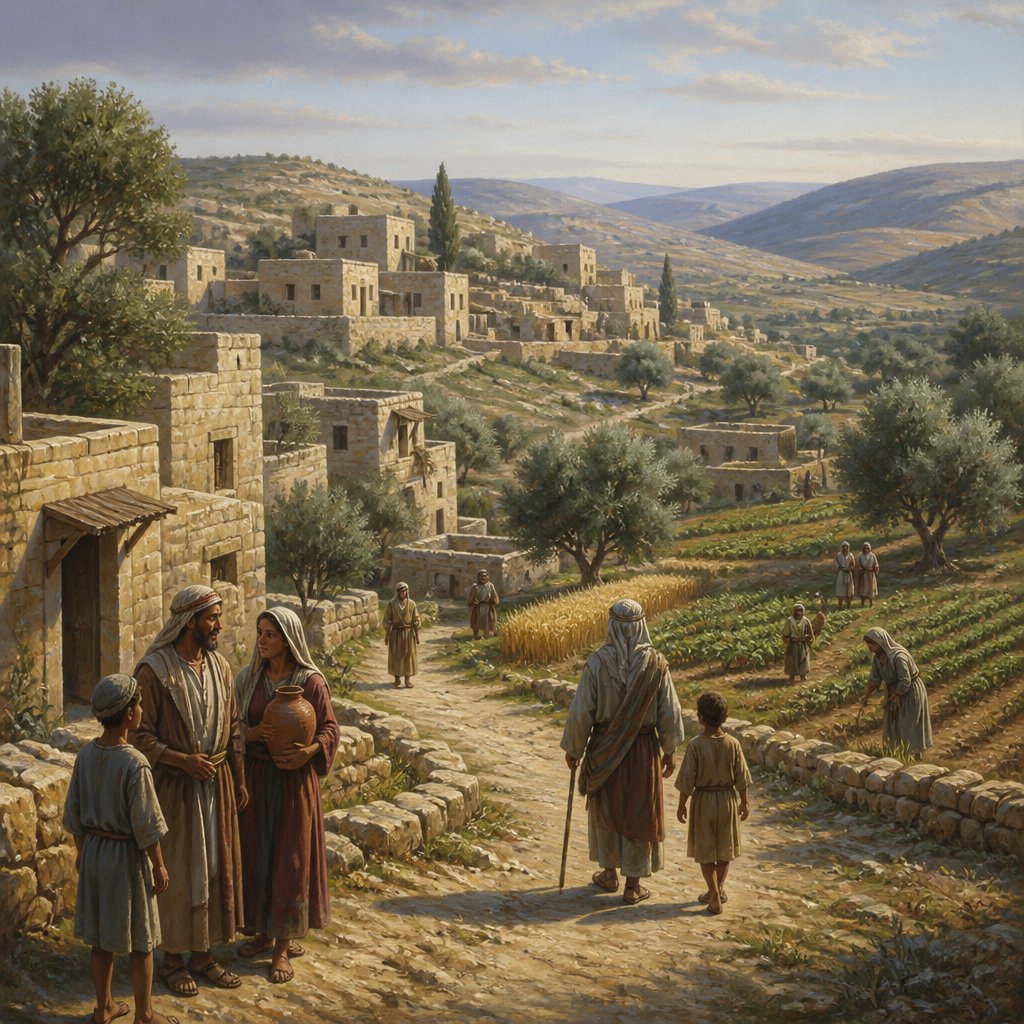
Nehemiah 11:25 in the King James Version reads, "And for the villages, with their fields, some of the children of Judah dwelt at Kirjatharba, and in the villages thereof, and at Dibon, and in the villages thereof, and at Jekabzeel, and in the villages thereof."
To truly understand the full meaning and significance of Nehemiah 11:25, it is important to provide some background context. The book of Nehemiah is set in the historical context of the Jews returning to Jerusalem after the Babylonian exile. Nehemiah, a cupbearer to the Persian king, is called by God to lead the efforts to rebuild the walls of Jerusalem and restore the city's temple and its people.
In this specific verse, we see the children of Judah dwelling in various towns and villages throughout the region. The mention of these specific places holds symbolic and historical significance. Kirjatharba, also known as Hebron, was a city in the hill country of Judah and held historic and religious significance in the narrative of the Israelites. Dibon was a town located on the east side of the Jordan River, while Jekabzeel was likely a town in the region of Judah.
The significance of the children of Judah dwelling in these villages lies in the restoration and repopulation of the land. After the exile, the land of Judah had been left desolate, and the returning Israelites had to rebuild and repopulate the villages and towns that had been left in ruins. This verse reflects the fulfillment of God's promise to restore and rebuild the land of Judah, as mentioned in Isaiah 61:4, "And they shall build the old wastes, they shall raise up the former desolations, and they shall repair the waste cities, the desolations of many generations."
Furthermore, this verse reflects the importance of the people of Judah reclaiming and settling in their ancestral lands. The act of dwelling in these towns and villages was more than just physical occupation; it was a spiritual and cultural reclamation of their heritage and identity as the chosen people of God.
The symbolism of the villages and their fields represents a return to the agricultural practices and traditions of the Israelites. The land was not simply a place to inhabit but a source of sustenance and livelihood. This ties into the broader theme of restoration and renewal found throughout the book of Nehemiah. The people of Judah were not only rebuilding the physical structures of their cities but also reviving their way of life and the practices that had sustained them for generations.
In a broader sense, this verse speaks to the idea of restoration and renewal in the Christian faith. The rebuilding of the towns and villages mirrors the spiritual renewal and revival of the people of Judah. It reflects the broader theme of God's faithfulness in restoring His people and their land, as seen throughout the history of Israel.
In conclusion, Nehemiah 11:25 is a verse that holds both historical and symbolic significance. It represents the restoration and repopulation of the land of Judah, as well as the spiritual renewal of the people. It speaks to the broader theme of God's faithfulness in fulfilling His promises and restoring His people. It is a reminder of the importance of reclaiming and preserving our heritage and identity, both spiritually and culturally.
Get our apps


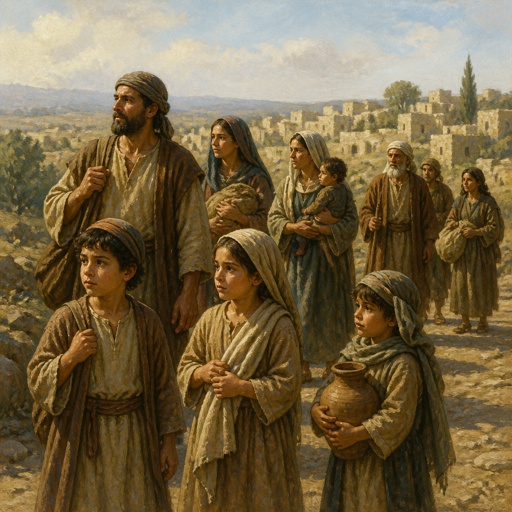
Artwork for Nehemiah 11:25
Nehemiah 11:25 - "And for the villages, with their fields, some of the children of Judah dwelt at Kirjath-arba, and in the villages thereof, and at Dibon, and in the villages thereof, and at Jekabzeel, and in the villages thereof,"
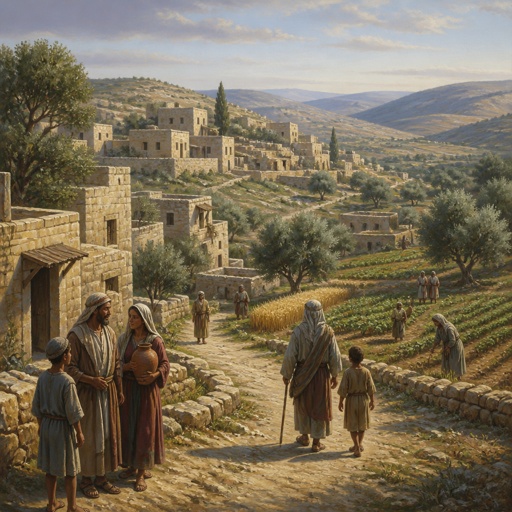
"And for the villages, with their fields, some of the children of Judah dwelt at Kirjath-arba, and in the villages thereof, and at Dibon, and in the villages thereof, and at Jekabzeel, and in the villages thereof," - Nehemiah 11:25

Nehemiah 10:25 - "Rehum, Hashabnah, Maaseiah,"

Nehemiah 7:25 - "The children of Gibeon, ninety and five."

Nehemiah 11:11-14

Nehemiah 11:13

Nehemiah 11:1-19
"Rehum, Hashabnah, Maaseiah," - Nehemiah 10:25

Nehemiah 11:34 - "Hadid, Zeboim, Neballat,"

Nehemiah 10:11 - "Micha, Rehob, Hashabiah,"

Nehemiah 11:33 - "Hazor, Ramah, Gittaim,"

Nehemiah 11:32 - "And at Anathoth, Nob, Ananiah,"
"The children of Gibeon, ninety and five." - Nehemiah 7:25

Nehemiah 11:26 - "And at Jeshua, and at Moladah, and at Beth-phelet,"

Nehemiah 11:29 - "And at En-rimmon, and at Zareah, and at Jarmuth,"

Nehemiah 11:35 - "Lod, and Ono, the valley of craftsmen."

Nehemiah 11:28 - "And at Ziklag, and at Mekonah, and in the villages thereof,"

Nehemiah 11:36 - "And of the Levites were divisions in Judah, and in Benjamin."

Nehemiah 11:10 - "Of the priests: Jedaiah the son of Joiarib, Jachin."

Nehemiah 12:25 - "Mattaniah, and Bakbukiah, Obadiah, Meshullam, Talmon, Akkub, were porters keeping the ward at the thresholds of the gates."

Nehemiah 12:11 - "And Joiada begat Jonathan, and Jonathan begat Jaddua."

Nehemiah 11:27 - "And at Hazar-shual, and at Beer-sheba, and in the villages thereof,"

Nehemiah 2:11 - "So I came to Jerusalem, and was there three days."

Nehemiah 11:11 - "Seraiah the son of Hilkiah, the son of Meshullam, the son of Zadok, the son of Meraioth, the son of Ahitub, was the ruler of the house of God."

"And at Anathoth, Nob, Ananiah," - Nehemiah 11:32

"Hadid, Zeboim, Neballat," - Nehemiah 11:34

"Hazor, Ramah, Gittaim," - Nehemiah 11:33

"Micha, Rehob, Hashabiah," - Nehemiah 10:11

Nehemiah 11:21 - "But the Nethinims dwelt in Ophel: and Ziha and Gispa were over the Nethinims."

Nehemiah 11:8 - "And after him Gabbai, Sallai, nine hundred twenty and eight."