What does Nehemiah 7:2 mean?
“That I gave my brother Hanani, and Hananiah the ruler of the palace, charge over Jerusalem: for he was a faithful man, and feared God above many.” — Nehemiah 7:2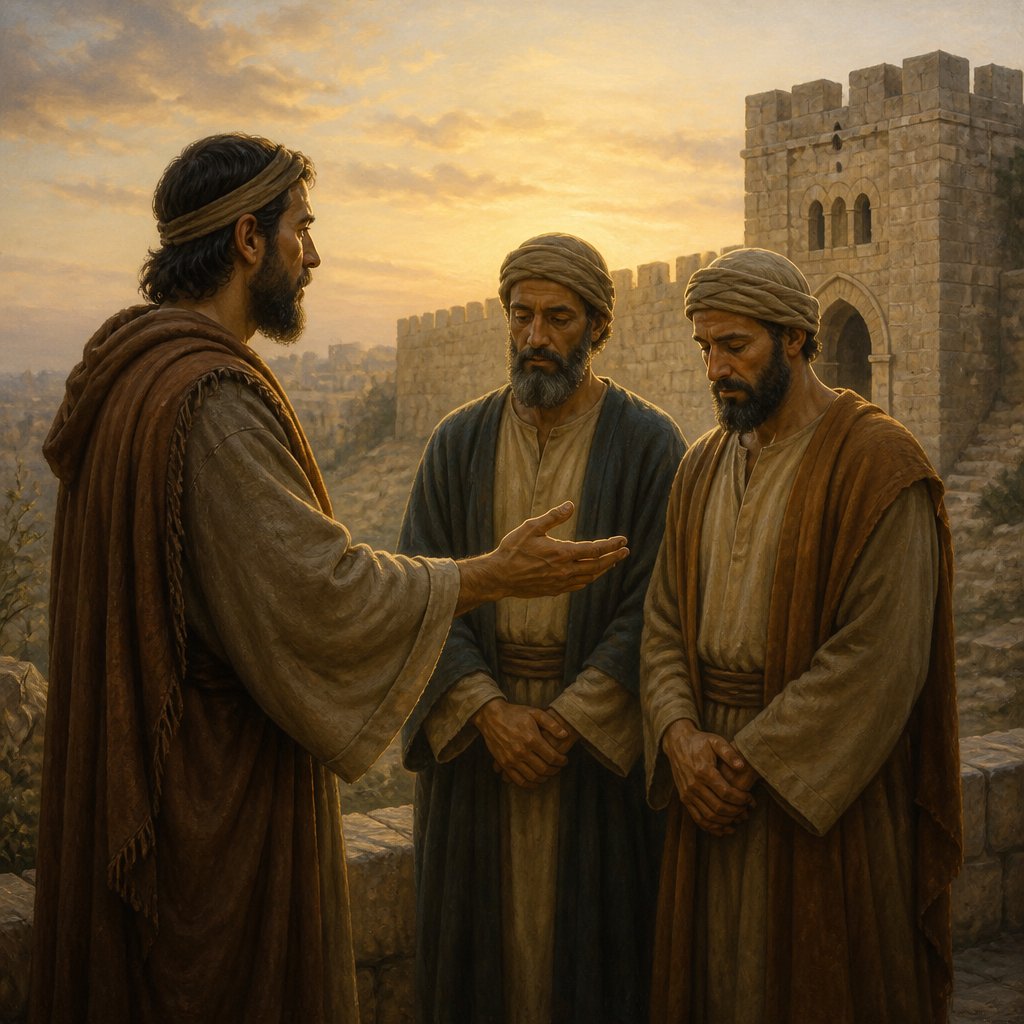
Nehemiah 7:2 (KJV) reads: "That I gave my brother Hanani, and Hananiah the ruler of the palace, charge over Jerusalem: for he was a faithful man, and feared God above many."
The Book of Nehemiah is a historical account of the rebuilding of the walls of Jerusalem and the restoration of the city following the Babylonian exile. In this verse, Nehemiah is appointing his brother Hanani and Hananiah as rulers over Jerusalem, recognizing their faithfulness and fear of God.
The themes of faithfulness and fear of God are central to this verse. Faithfulness is the quality of being loyal, committed, and dependable. Hanani and Hananiah are recognized for their faithfulness, which is likely demonstrated in their obedience to God's commands and their dedication to the task of rebuilding Jerusalem. Fear of God, on the other hand, refers to the reverence and awe that individuals have for the Almighty. This fear encompasses a deep respect for God's authority and a willingness to submit to His will. Hanani and Hananiah's fear of God likely influenced their actions as they led Jerusalem, guiding them to make decisions that honored and pleased God.
The context of Nehemiah 7:2 is significant and provides additional insight into the verse's meaning. The verse comes after Nehemiah has successfully completed the rebuilding of the walls of Jerusalem and the people have gathered to celebrate. Nehemiah recognizes the need for leadership to govern the city and ensure its continued safety and prosperity. In selecting Hanani and Hananiah for this role, Nehemiah prioritizes their faithfulness and fear of God above all else. This highlights the importance of these qualities in leadership and emphasizes their significance in the eyes of God.
The symbolism within this verse lies in the characters of Hanani and Hananiah. As leaders appointed by Nehemiah, they represent the faithful and God-fearing individuals who are entrusted with positions of authority within the community. Their example serves as a model for others, illustrating the characteristics that are valued and esteemed in the sight of God. Additionally, their leadership role symbolizes the responsibility and duty that comes with faithfulness and fear of God, as they are tasked with governing and overseeing the well-being of Jerusalem.
Ultimately, Nehemiah 7:2 serves as a reminder of the qualities that are esteemed by God and valued in leaders within the Christian community. It emphasizes the importance of faithfulness and fear of God as essential attributes for those in positions of authority. The verse also underscores the significance of these qualities in guiding decision-making and governance, as leaders seek to honor God and fulfill their responsibilities with integrity and reverence.
In conclusion, Nehemiah 7:2 offers a profound exploration of faithfulness and fear of God, highlighting their importance in the context of leadership and governance. The verse's themes, context, and symbolism all contribute to a deeper understanding of the qualities valued by God and the responsibility that comes with leadership. It serves as a timeless reminder for individuals to prioritize faithfulness and reverence for God in their own lives and as they assume positions of authority within their communities.
Get our apps


Artwork for Nehemiah 7:2

Nehemiah 7:2 - "That I gave my brother Hanani, and Hananiah the ruler of the palace, charge over Jerusalem: for he was a faithful man, and feared God above many."
"That I gave my brother Hanani, and Hananiah the ruler of the palace, charge over Jerusalem: for he was a faithful man, and feared God above many." - Nehemiah 7:2

Nehemiah 7:7 - "Who came with Zerubbabel, Jeshua, Nehemiah, Azariah, Raamiah, Nahamani, Mordecai, Bilshan, Mispereth, Bigvai, Nehum, Baanah. The number, I say, of the men of the people of Israel was this;"

Nehemiah 10:7 - "Meshullam, Abijah, Mijamin,"

Nehemiah 2:7 - "Moreover I said unto the king, If it please the king, let letters be given me to the governors beyond the river, that they may convey me over till I come into Judah;"

Nehemiah 7:42 - "The children of Harim, a thousand and seventeen."

Nehemiah 7:24 - "The children of Hariph, an hundred and twelve."

Nehemiah 7:56 - "The children of Neziah, the children of Hatipha."

Nehemiah 7:25 - "The children of Gibeon, ninety and five."

Nehemiah 7:40 - "The children of Immer, a thousand fifty and two."

Nehemiah 7:31 - "The men of Michmas, an hundred and twenty and two."

Nehemiah 7:33 - "The men of the other Nebo, fifty and two."

Nehemiah 7:21 - "The children of Ater of Hezekiah, ninety and eight."

Nehemiah 7:28 - "The men of Beth-azmaveth, forty and two."

Nehemiah 7:14 - "The children of Zaccai, seven hundred and threescore."

Nehemiah 7:27 - "The men of Anathoth, an hundred twenty and eight."

Nehemiah 7:35 - "The children of Harim, three hundred and twenty."

Nehemiah 7:16 - "The children of Bebai, six hundred twenty and eight."

Nehemiah 7:58 - "The children of Jaala, the children of Darkon, the children of Giddel,"

Nehemiah 7:9 - "The children of Shephatiah, three hundred seventy and two."

Nehemiah 7:48 - "The children of Lebana, the children of Hagaba, the children of Shalmai,"

Nehemiah 7:19 - "The children of Bigvai, two thousand threescore and seven."

Nehemiah 7:15 - "The children of Binnui, six hundred forty and eight."

Nehemiah 7:44 - "¶ The singers: the children of Asaph, an hundred forty and eight."

Nehemiah 7:18 - "The children of Adonikam, six hundred threescore and seven."

Nehemiah 7:13 - "The children of Zattu, eight hundred forty and five."

Nehemiah 7:49 - "The children of Hanan, the children of Giddel, the children of Gahar,"

Nehemiah 7:55 - "The children of Barkos, the children of Sisera, the children of Tamah,"

Nehemiah 7:20 - "The children of Adin, six hundred fifty and five."

Nehemiah 7:10 - "The children of Arah, six hundred fifty and two."