What does Nehemiah 8:9 mean?
“And Nehemiah, which is the Tirshatha, and Ezra the priest the scribe, and the Levites that taught the people, said unto all the people, This day is holy unto the LORD your God; mourn not, nor weep. For all the people wept, when they heard the words of the law.” — Nehemiah 8:9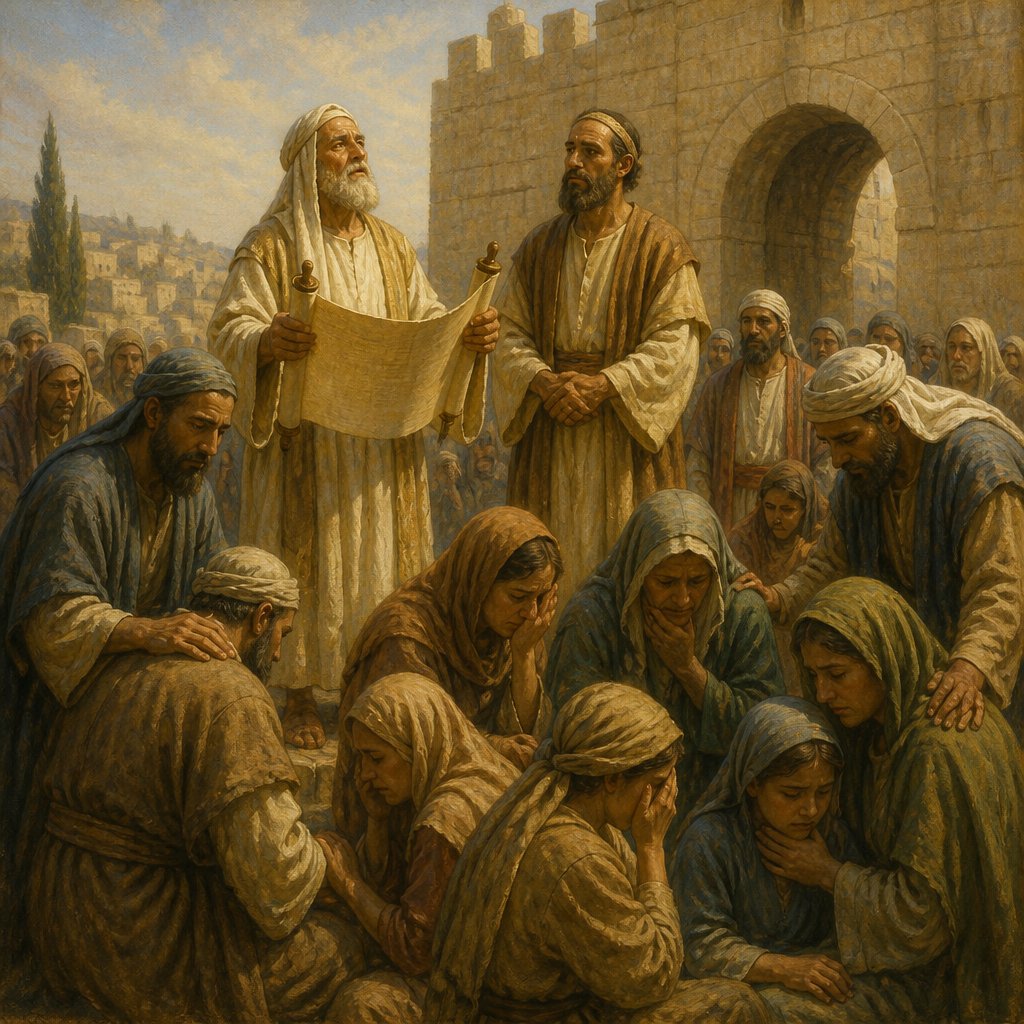
The verse Nehemiah 8:9 from the King James Version of the Bible reads: "And Nehemiah, which is the Tirshatha, and Ezra the priest the scribe, and the Levites that taught the people, said unto all the people, This day is holy unto the Lord your God; mourn not, nor weep. For all the people wept, when they heard the words of the law."
This verse comes from the book of Nehemiah, which is a historical account of the efforts to rebuild the city of Jerusalem and restore the Jewish community following the Babylonian captivity. In this particular chapter, the people have gathered in Jerusalem to hear Ezra the priest read and explain the Law of Moses.
The verse is significant in the context of the overall narrative of Nehemiah because it captures the emotional response of the people to hearing the words of the law. It reveals their overwhelming conviction and repentance as they become deeply moved by the reading of the scriptures. This verse offers key insights into the themes of repentance, obedience, and worship in the context of the Old Testament.
One of the central themes in this verse is the concept of holiness. Nehemiah, Ezra, and the Levites declare that the day of gathering and hearing the law is "holy unto the Lord your God." This notion of holiness conveys the sacredness and reverence that the people should have for the Word of God. It also emphasizes the importance of setting aside time for the spiritual nourishment and instruction found in the scriptures.
Another important theme in this verse is the emotional response of the people. The text states that all the people wept when they heard the words of the law. This reaction reflects the depth of their remorse and conviction as they recognize their own disobedience and the unfaithfulness of their ancestors. Their tears convey a sense of genuine repentance and the desire to turn back to God and His commandments. This emotional display highlights the powerful impact of the scriptures on the human heart and the transformative nature of encountering the Word of God.
The verse also touches on the role of the leaders in guiding and shepherding the people. Nehemiah, Ezra, and the Levites are mentioned as the authorities who addressed the people and encouraged them to refrain from mourning and weeping. Their response reflects their understanding of the significance of the occasion and their pastoral care for the emotional and spiritual well-being of the people. Their words remind the people that this is a day of rejoicing in the presence of God and, despite their sorrow, they should turn their focus towards worship and celebration.
The symbolism in this verse is deeply rooted in the historical and cultural context of the Jewish people. The gathering to hear the reading of the law and the emotional outpouring of the people symbolize the central role of the scriptures in the life of the community. The law serves as a moral compass, guiding and shaping the identity of the Israelites. The response of the people symbolizes the conviction and contrition that should accompany the encounter with God's Word.
In conclusion, Nehemiah 8:9 captures a profound moment in the history of the Jewish people, highlighting the themes of holiness, repentance, and the transformative power of the scriptures. It serves as a reminder of the significance of the Word of God and the emotional and spiritual impact it can have on those who encounter it. This verse continues to resonate as a timeless invitation to approach the scriptures with reverence and humility, recognizing their power to bring about repentance and transformation in the lives of believers.
Get our apps


Artwork for Nehemiah 8:9

Nehemiah 8:9 - "¶ And Nehemiah, which is the Tirshatha, and Ezra the priest the scribe, and the Levites that taught the people, said unto all the people, This day is holy unto the LORD your God; mourn not, nor weep. For all the people wept, when they heard the words of the law."
"¶ And Nehemiah, which is the Tirshatha, and Ezra the priest the scribe, and the Levites that taught the people, said unto all the people, This day is holy unto the LORD your God; mourn not, nor weep. For all the people wept, when they heard the words of the law." - Nehemiah 8:9

"And foundest his heart faithful before thee, and madest a covenant with him to give the land of the Canaanites, the Hittites, the Amorites, and the Perizzites, and the Jebusites, and the Girgashites, to give it, I say, to his seed, and hast performed thy words; for thou art righteous:" - Nehemiah 9:8

Nehemiah 8:10

Nehemiah 6:9

Nehemiah 8:10

Nehemiah 8:10
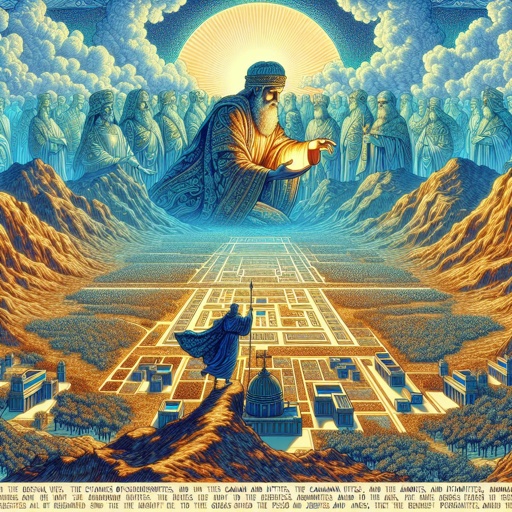
Nehemiah 9:8 - "And foundest his heart faithful before thee, and madest a covenant with him to give the land of the Canaanites, the Hittites, the Amorites, and the Perizzites, and the Jebusites, and the Girgashites, to give it, I say, to his seed, and hast performed thy words; for thou art righteous:"

Nehemiah 9:9 - "And didst see the affliction of our fathers in Egypt, and heardest their cry by the Red sea;"

Nehemiah 8:8 - "So they read in the book in the law of God distinctly, and gave the sense, and caused them to understand the reading."

Nehemiah 10:8 - "Maaziah, Bilgai, Shemaiah: these were the priests."

Nehemiah 7:9 - "The children of Shephatiah, three hundred seventy and two."

Nehemiah 7:8 - "The children of Parosh, two thousand an hundred seventy and two."

Nehemiah 11:8 - "And after him Gabbai, Sallai, nine hundred twenty and eight."

Nehemiah 9:16 - "But they and our fathers dealt proudly, and hardened their necks, and hearkened not to thy commandments,"

Nehemiah 4:8 - "And conspired all of them together to come and to fight against Jerusalem, and to hinder it."

Nehemiah 12:9 - "Also Bakbukiah and Unni, their brethren, were over against them in the watches."

Nehemiah 10:9 - "And the Levites: both Jeshua the son of Azaniah, Binnui of the sons of Henadad, Kadmiel;"

Nehemiah 11:9 - "And Joel the son of Zichri was their overseer: and Judah the son of Senuah was second over the city."

Nehemiah 3:9 - "And next unto them repaired Rephaiah the son of Hur, the ruler of the half part of Jerusalem."

Nehemiah 9:2 - "And the seed of Israel separated themselves from all strangers, and stood and confessed their sins, and the iniquities of their fathers."
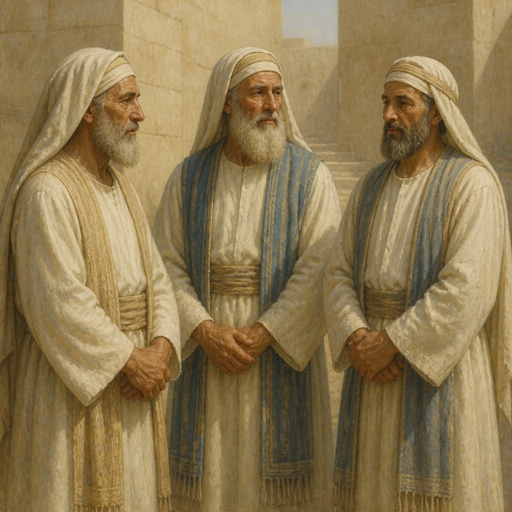
"Maaziah, Bilgai, Shemaiah: these were the priests." - Nehemiah 10:8

Nehemiah 13:8 - "And it grieved me sore: therefore I cast forth all the household stuff of Tobiah out of the chamber."

Nehemiah 9:38 - "And because of all this we make a sure covenant, and write it; and our princes, Levites, and priests, seal unto it."

"And didst see the affliction of our fathers in Egypt, and heardest their cry by the Red sea;" - Nehemiah 9:9

Nehemiah 13:9 - "Then I commanded, and they cleansed the chambers: and thither brought I again the vessels of the house of God, with the meat offering and the frankincense."

"The children of Shephatiah, three hundred seventy and two." - Nehemiah 7:9

Nehemiah 9:1 - "Now in the twenty and fourth day of this month the children of Israel were assembled with fasting, and with sackclothes, and earth upon them."

Nehemiah 12:8 - "Moreover the Levites: Jeshua, Binnui, Kadmiel, Sherebiah, Judah, and Mattaniah, which was over the thanksgiving, he and his brethren."

Nehemiah 8:11 - "So the Levites stilled all the people, saying, Hold your peace, for the day is holy; neither be ye grieved."