What does Proverbs 17:5 mean?
“Whoso mocketh the poor reproacheth his Maker: and he that is glad at calamities shall not be unpunished.” — Proverbs 17:5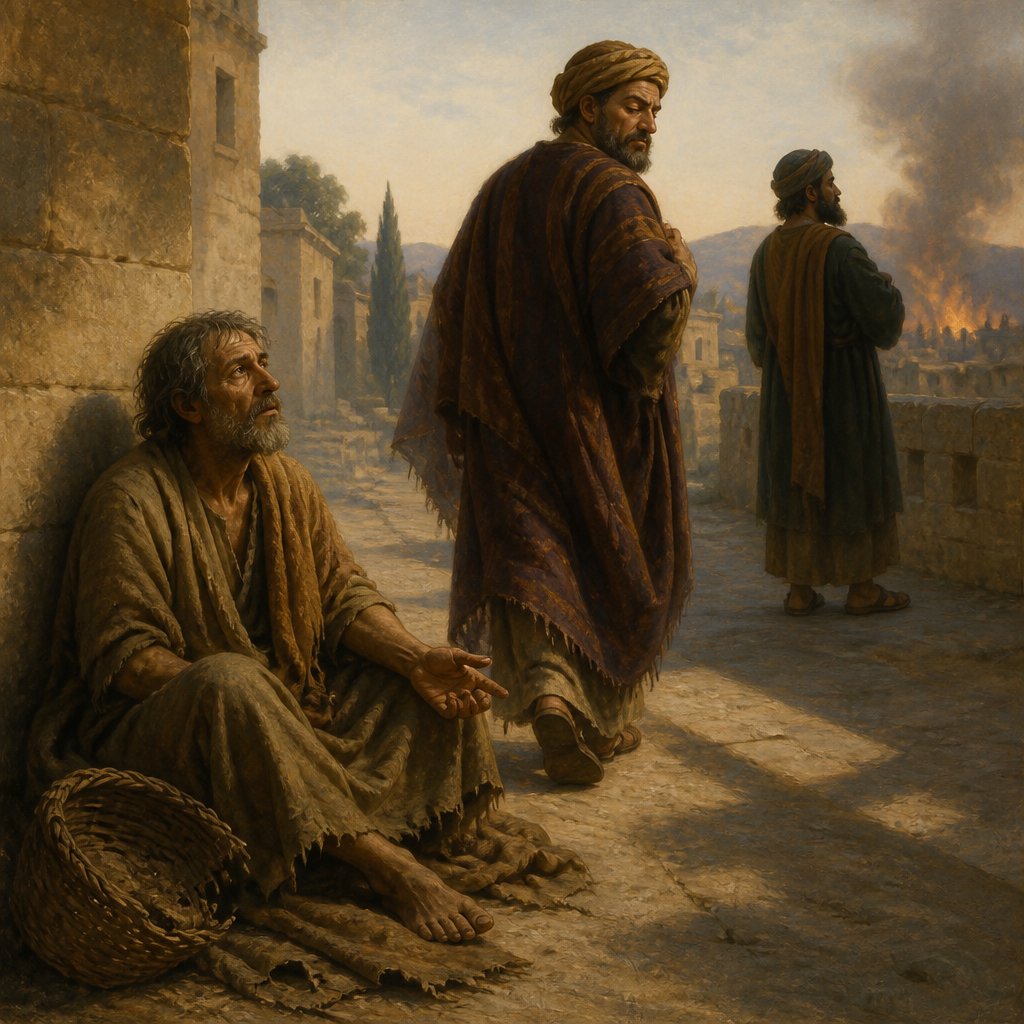
Proverbs 17:5 (KJV) states: "Whoso mocketh the poor reproacheth his Maker: and he that is glad at calamities shall not be unpunished."
This verse from the book of Proverbs in the Old Testament offers profound wisdom and insight into the character and behavior of individuals. It addresses the way in which one treats those who are less fortunate and warns against being joyful at the misfortunes of others.
The verse begins with the statement, "Whoso mocketh the poor reproacheth his Maker," which suggests that mocking or ridiculing a person who is poor or vulnerable is not just a reflection of their character, but also a reproach against God, their creator. This highlights the deep connection between the treatment of fellow human beings and reverence for the divine. In essence, the verse conveys the message that mistreating the poor is a direct insult to God, who is the creator and sustainer of all life.
The second part of the verse, "he that is glad at calamities shall not be unpunished," reinforces the idea that finding joy in the misfortunes of others will not go without consequence. It serves as a warning against deriving pleasure or satisfaction from the suffering of others, emphasizing the moral responsibility to empathize and show compassion towards those who are experiencing hardship.
One of the key themes present in this verse is the concept of empathy and compassion. It emphasizes the importance of treating others with respect and dignity, regardless of their social or economic status. By highlighting the interconnectedness between human interactions and divine reverence, the verse urges individuals to consider their actions and attitudes towards those who may be marginalized or struggling.
Furthermore, the verse also addresses the issue of moral accountability. It emphasizes that those who engage in mocking the poor or rejoicing in the calamities of others will ultimately face repercussions for their actions. This aligns with the broader biblical principle of reaping what one sows, which underscores the idea that moral behavior carries consequences.
In a broader context, this verse can be seen as a call to uphold social justice and equality. It challenges individuals to recognize the inherent worth and dignity of every person, regardless of their socioeconomic standing. It also serves as a reminder of the interconnectedness of humanity and the need to cultivate empathy and understanding towards others.
Symbolically, the verse can be interpreted as a reflection of God's concern for the marginalized and vulnerable in society. It highlights the divine mandate to care for the poor and emphasizes the spiritual significance of treating others with kindness and compassion.
Overall, Proverbs 17:5 (KJV) offers a profound moral and ethical lesson that continues to resonate across cultures and time. It calls for a conscientious and empathetic approach to human interactions, reminding individuals of their responsibility to honor and respect the dignity of every human being. Moreover, it underscores the biblical principle of accountability and the interconnectedness between human behavior and divine reverence.
Get our apps


Artwork for Proverbs 17:5

Proverbs 17:5 - "Whoso mocketh the poor reproacheth his Maker: and he that is glad at calamities shall not be unpunished."
"Whoso mocketh the poor reproacheth his Maker: and he that is glad at calamities shall not be unpunished." - Proverbs 17:5

Proverbs 5:17 - "Let them be only thine own, and not strangers' with thee."

"Let them be only thine own, and not strangers' with thee." - Proverbs 5:17

Proverbs 17:17 - "A friend loveth at all times, and a brother is born for adversity."

Proverbs 17:6

Proverbs 27:17

Proverbs 27:17

Proverbs 1:5

Proverbs 17:27-28

Proverbs 17:27-28

Proverbs 17:27-28

Proverbs 1:5

Proverbs 1:5

Proverbs 1:5

Proverbs 1:5

Proverbs 1:5

Proverbs 4:17 - "For they eat the bread of wickedness, and drink the wine of violence."

Proverbs 1:5

Proverbs 1:5

Proverbs 1:5

Proverbs 1:5

Proverbs 1:5

proverbs 5:12

proverbs 5:11

Proverbs 12:5

Proverbs 1:5

proverbs 5:12

"A friend loveth at all times, and a brother is born for adversity." - Proverbs 17:17

Proverbs 1:17 - "Surely in vain the net is spread in the sight of any bird."