What does Proverbs 24:20 mean?
“For there shall be no reward to the evil man; the candle of the wicked shall be put out.” — Proverbs 24:20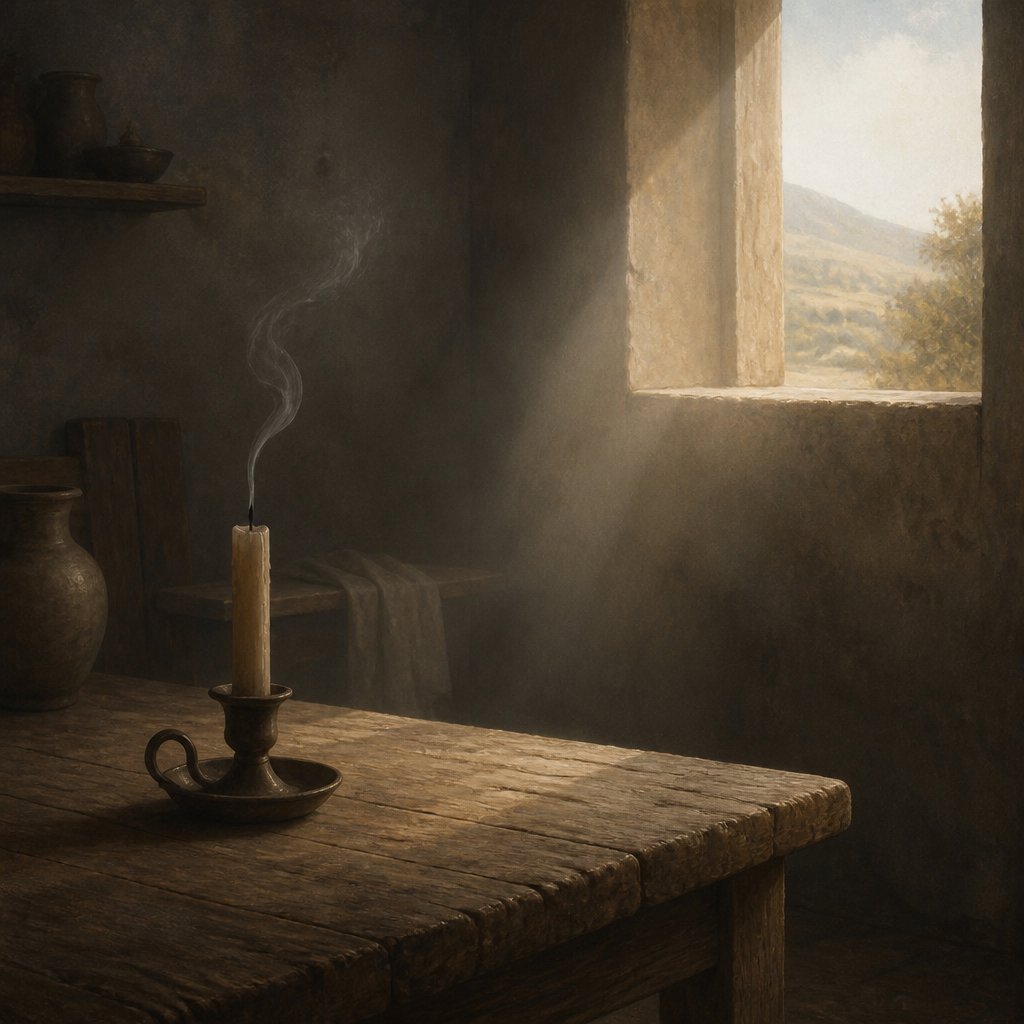
Proverbs 24:20 in the King James Version of the Bible states, "For there shall be no reward to the evil man; the candle of the wicked shall be put out." This verse is part of the Book of Proverbs, which is a collection of wisdom sayings attributed to King Solomon, known for his great wisdom in the Bible. The Book of Proverbs is known for its practical advice on morality, ethics, and the pursuit of wisdom.
In this particular verse, there are several key themes and lessons that can be drawn from it. The first theme is the idea of consequences for one's actions. The verse speaks to the ultimate fate of the "evil man" and the "wicked." It suggests that their deeds will not go unpunished, and that they will not receive any reward for their wickedness. This concept is echoed throughout the Bible, particularly in the Old Testament, where the idea of retribution and divine justice is a recurring theme.
The imagery of the "candle of the wicked" being "put out" further emphasizes the idea of consequences. In biblical times, a candle was essential for providing light in the darkness. Therefore, to have one's candle "put out" symbolizes being cast into darkness and losing any source of illumination and guidance. This can be interpreted as a metaphor for spiritual darkness and the absence of God's presence. It suggests that the wicked will ultimately be devoid of the Light of God and will face the consequences of their actions.
Another theme present in this verse is the contrast between good and evil. The verse highlights the dichotomy between those who do good and those who do evil, and it emphasizes the ultimate fate of each. There is a clear distinction between the "reward" that awaits the righteous and the lack of reward for the evil. This underscores the importance of living a righteous and virtuous life, as opposed to succumbing to wickedness and immorality.
In terms of context, it's important to understand the historical and cultural background of the ancient Israelites, for whom these proverbs were originally written. In ancient Israel, the concept of retribution and divine justice was deeply ingrained in their religious and moral beliefs. The idea that the wicked would ultimately face punishment and that their deeds would not go unpunished was a fundamental aspect of their worldview. Therefore, this verse would have resonated strongly with the Israelites, reminding them of the importance of living a righteous and upright life.
Overall, Proverbs 24:20 serves as a reminder of the consequences of one's actions and the ultimate fate of the wicked. It underscores the importance of living a virtuous life and adhering to moral principles. The imagery of the candle being put out further emphasizes the spiritual implications of choosing a path of wickedness. This verse carries a timeless message about the importance of moral conduct and the inevitable consequences of our choices. It serves as a warning to heed the path of righteousness and avoid the pitfalls of evil.
In conclusion, Proverbs 24:20 in the King James Version of the Bible offers a powerful and timeless message about the consequences of one's actions and the ultimate fate of the wicked. It emphasizes the themes of retribution, divine justice, and the contrast between good and evil. The verse serves as a reminder of the importance of living a righteous and virtuous life, and the consequences that await those who choose a path of wickedness. It carries a timeless message about the importance of moral conduct and the inevitable consequences of our choices.
Get our apps


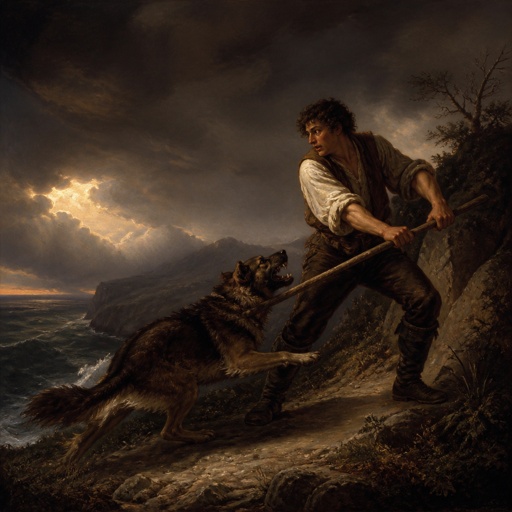
Artwork for Proverbs 24:20

Proverbs 24:20 - "For there shall be no reward to the evil man; the candle of the wicked shall be put out."
"For there shall be no reward to the evil man; the candle of the wicked shall be put out." - Proverbs 24:20
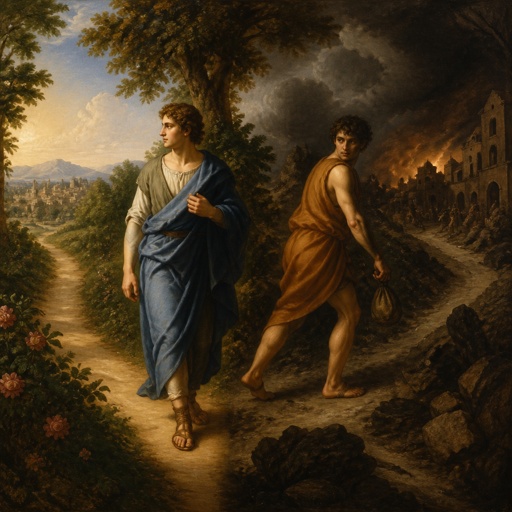
Proverbs 20:24

Proverbs 20:24 - "Man's goings are of the LORD; how can a man then understand his own way?"

PROVERBS 20:24 Man's goings are of the LORD; how can a man then understand his own way?
!["Man’s goings [are] of the LORD; how can a man then understand his own way?" - Proverbs 20:24](https://media.bible.art/e20da50f-589d-4a78-8ac6-5569a8a83f82-thumbnail.jpg)
"Man’s goings [are] of the LORD; how can a man then understand his own way?" - Proverbs 20:24

"Man’s goings are of the LORD; how can a man then understand his own way?" - Proverbs 20:24
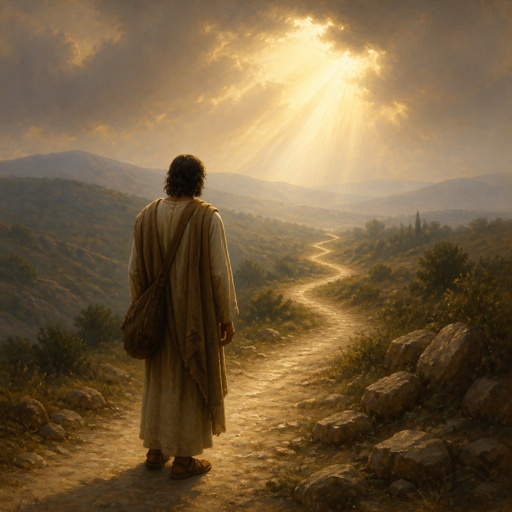
"Man's goings are of the LORD; how can a man then understand his own way?" - Proverbs 20:24

proverbs 1:20

proverbs 1:20

proverbs 1:20

proverbs 1:20

proverbs 1:20

proverbs 1:20

proverbs 1:20

proverbs 1:20

proverbs 1:20

proverbs 1:20

proverbs 1:20

proverbs 1:20

proverbs 1:20

proverbs 1:20

Proverbs 1:20

proverbs 1:20

proverbs 1:20

proverbs 1:20

proverbs 1:20

proverbs 1:20
Proverbs 26:20

proverbs 1:20