What does Proverbs 3:7 mean?
“Be not wise in thine own eyes: fear the LORD, and depart from evil.” — Proverbs 3:7
Proverbs 3:7 in the King James Version (KJV) of the Bible reads, "Be not wise in thine own eyes: fear the Lord, and depart from evil." This verse serves as a powerful reminder to believers about the importance of humility, reverence for the Lord, and a commitment to living a righteous life.
In the broader context of the Book of Proverbs, this verse is part of a collection of wisdom sayings that provide guidance on how to live a virtuous and wise life. These sayings are attributed to King Solomon, who was renowned for his wisdom in the Bible. The book is filled with practical advice on a wide range of topics, such as the value of wisdom, the dangers of foolishness, the importance of righteous living, and the blessings of following God’s commands.
At the heart of Proverbs 3:7 is an exhortation to avoid self-reliance and intellectual pride. It highlights the danger of trusting in one’s own wisdom and understanding, which can lead to arrogance and a lack of dependence on God. Instead, the verse encourages believers to humbly acknowledge their need for God’s guidance and to approach life with a healthy fear of the Lord.
The fear of the Lord, as mentioned in this verse, encompasses a deep reverence and awe for God and his authority. It involves recognizing and respecting God’s sovereignty, holiness, and righteous character. The fear of the Lord should lead believers to worship and serve God wholeheartedly, obey his commandments, and seek to live in harmony with his will. In this sense, the fear of the Lord is not a paralyzing dread, but a healthy and transformative attitude that leads to wisdom, obedience, and moral integrity.
Furthermore, the verse emphasizes the importance of departing from evil. This involves actively turning away from sinful behaviors, attitudes, and influences. It requires a deliberate choice to reject wickedness and pursue righteousness, integrity, and moral uprightness. Departing from evil also implies a commitment to living a life that honors God and reflects his moral standards.
Symbolically, the contrast between being wise in one’s own eyes and fearing the Lord can be seen as a contrast between human wisdom and divine wisdom. Human wisdom often leads to pride, self-sufficiency, and moral relativism, whereas divine wisdom is rooted in humility, dependence on God, and an unwavering commitment to truth and righteousness. Likewise, the departure from evil can be seen as a symbolic representation of the believer’s ongoing journey of sanctification and moral transformation.
In summary, Proverbs 3:7 challenges believers to embrace humility, reverence for God, and a resolute commitment to living a righteous life. It encapsulates the themes of wisdom, humility, obedience, and moral integrity that are central to the broader message of the Book of Proverbs. As such, this verse continues to resonate with believers today as a timeless reminder of the transformative power of Godly wisdom and the importance of living in accordance with God’s will.
Get our apps


Artwork for Proverbs 3:7

Proverbs 3:7 - "¶ Be not wise in thine own eyes: fear the LORD, and depart from evil."

Proverbs 3:7-8 - "Be not wise in thine own eyes: fear the LORD, and depart from evil. It shall be health to thy navel, and marrow to thy bones."

"¶ Be not wise in thine own eyes: fear the LORD, and depart from evil." - Proverbs 3:7

Proverbs 3:7 Do not be wise in your own eyes; fear the Lord and shun evil.

Proverbs 3:7 Do not be wise in your own eyes; fear the Lord and shun evil.

Proverbs 3:7 Do not be wise in your own eyes; fear the Lord and shun evil.
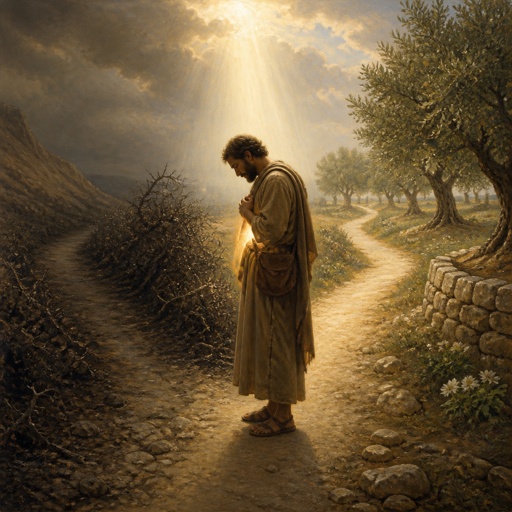
"Be not wise in thine own eyes: fear the LORD, and depart from evil. It shall be health to thy navel, and marrow to thy bones." - Proverbs 3:7-8

Proverbs 7:3 - "Bind them upon thy fingers, write them upon the table of thine heart."
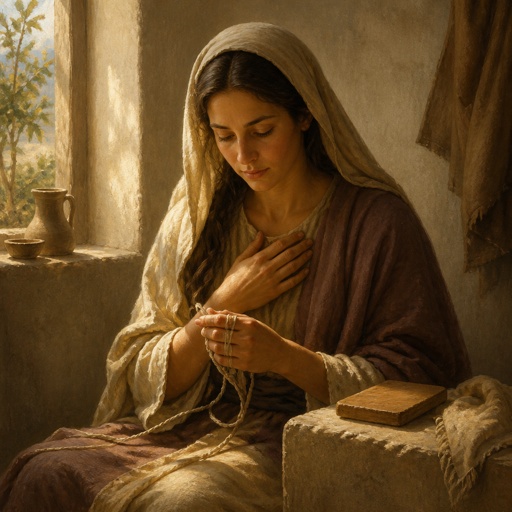
"Bind them upon thy fingers, write them upon the table of thine heart." - Proverbs 7:3

Proverbs 7:26

Proverbs 11:7

proverbs 21 7

Proverbs 7:26-27

Proverbs 7:7 - "And beheld among the simple ones, I discerned among the youths, a young man void of understanding,"

Proverbs 6:7 - "Which having no guide, overseer, or ruler,"

Proverbs 3:9-10

Proverbs 3:5-6

Proverbs 3:5-6

Proverbs 7:9 - "In the twilight, in the evening, in the black and dark night:"

Proverbs 7:19 - "For the goodman is not at home, he is gone a long journey:"

Proverbs 12:7 - "The wicked are overthrown, and are not: but the house of the righteous shall stand."

Proverbs 23:3 - "Be not desirous of his dainties: for they are deceitful meat."

Proverbs 22:7 - "The rich ruleth over the poor, and the borrower is servant to the lender."

Proverbs 26:7 - "The legs of the lame are not equal: so is a parable in the mouth of fools."

Proverbs 10:7 - "The memory of the just is blessed: but the name of the wicked shall rot."

Proverbs 29:7 - "The righteous considereth the cause of the poor: but the wicked regardeth not to know it."

Proverbs 1:3 - "To receive the instruction of wisdom, justice, and judgment, and equity;"

Proverbs 24:3 - "Through wisdom is an house builded; and by understanding it is established:"

Proverbs 1:7 - "¶ The fear of the LORD is the beginning of knowledge: but fools despise wisdom and instruction."

Proverbs 7:11 - "(She is loud and stubborn; her feet abide not in her house:"