What does Psalms 106:13 mean?
“They soon forgat his works; they waited not for his counsel:” — Psalms 106:13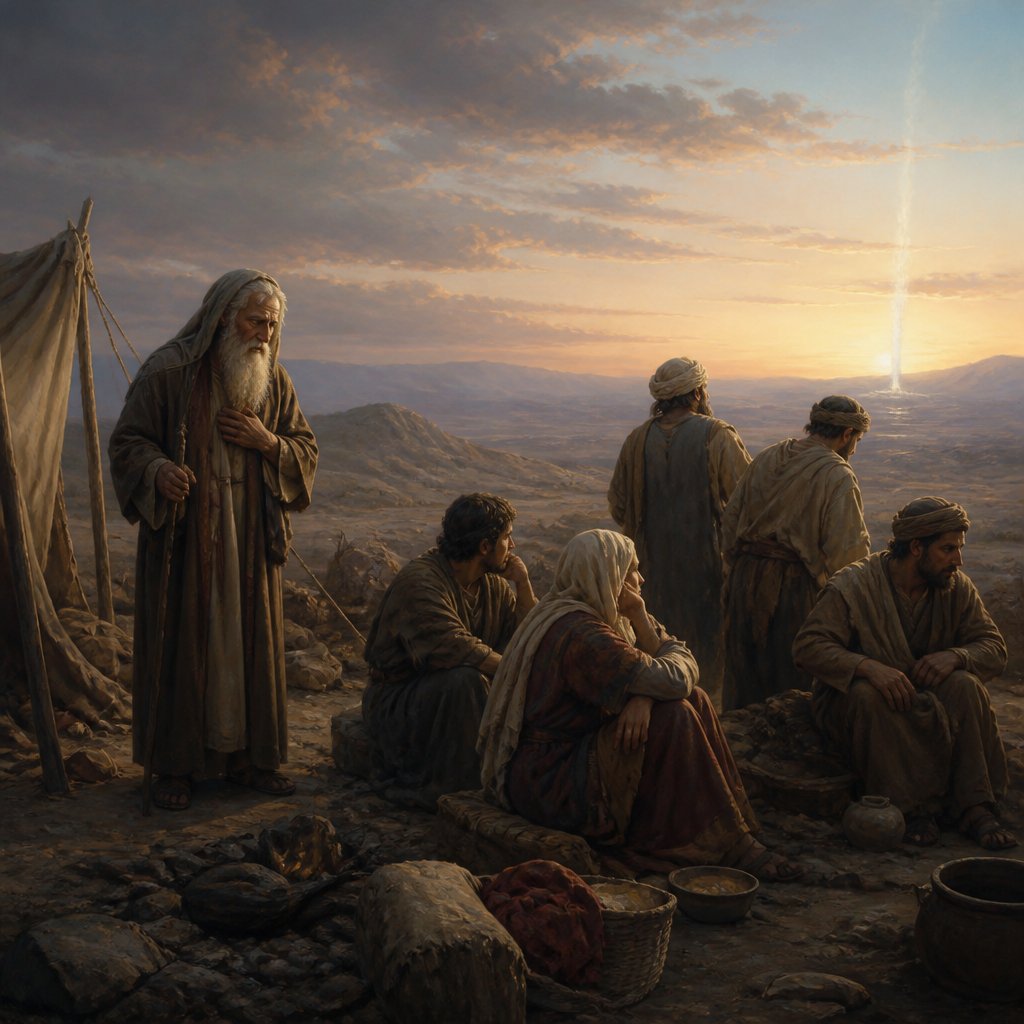
Psalm 106:13 (KJV) reads, "They soon forgat his works; they waited not for his counsel." This verse is a part of the larger Psalm 106, which is a reflection on the history of Israel and their repeated disobedience and forgetfulness of God's power and faithfulness. This verse specifically speaks to the Israelites forgetting the works and counsel of God, and the consequences that followed.
The theme of forgetfulness and disobedience is prevalent throughout the entire Psalm. The Israelites are called out for forgetting God's works, turning to idols, and disobeying His commands. The consequences of their forgetfulness are outlined in the following verses, portraying a cycle of disobedience, punishment, repentance, and restoration.
The context of Psalm 106 is important to understand the meaning of verse 13. The Psalm begins with a call to give thanks to the Lord and to recount His mighty acts and faithfulness. It then transitions to a confession of the sins of the Israelites and a recounting of their history of disobedience. This context provides a framework for understanding the significance of the Israelites' forgetfulness and the consequences that follow.
The symbolism in this verse lies in the Israelites' forgetfulness and lack of waiting for God's counsel. Forgetting God's works symbolizes a lack of gratitude and faith in His power and faithfulness. Waiting not for His counsel symbolizes impatience and a reliance on their own wisdom rather than seeking God's guidance. These symbols reflect a larger theme of human pride and self-sufficiency, which often lead to disobedience and distancing from God.
The consequences of the Israelites' forgetfulness and impatience with God's counsel are seen throughout the history of Israel, as outlined in the following verses of Psalm 106. The Israelites faced hardships, were handed over to their enemies, and experienced various forms of punishment as a result of their disobedience. However, God's faithfulness and mercy are also highlighted, as He repeatedly saved them when they cried out to Him in repentance.
In a broader theological context, Psalm 106 can be seen as a reflection of the human condition and our tendency to forget God's works and counsel. It serves as a reminder of the importance of gratitude, patience, and reliance on God's wisdom. The consequences of forgetting God and relying on our own understanding are not limited to ancient Israel, but are relevant to all of humanity.
Overall, Psalm 106:13 (KJV) serves as a warning against forgetfulness and impatience with God's counsel. It underscores the importance of gratitude, patience, and reliance on God's wisdom. The verse and the larger Psalm highlight the consequences of disobedience and the faithfulness of God in spite of human failings. It is a timeless reminder of the human condition and the need for humility and reliance on God.
Get our apps


Artwork for Psalms 106:13

Psalms 106:13 - "They soon forgat his works; they waited not for his counsel:"

"They soon forgat his works; they waited not for his counsel:" - Psalms 106:13

"Then believed they his words; they sang his praise." - Psalms 106:12

"Yea, they sacrificed their sons and their daughters unto devils," - Psalms 106:37

"Thus they changed their glory into the similitude of an ox that eateth grass." - Psalms 106:20

"They envied Moses also in the camp, and Aaron the saint of the LORD." - Psalms 106:16

"Yea, they despised the pleasant land, they believed not his word:" - Psalms 106:24

"And he gave them their request; but sent leanness into their soul." - Psalms 106:15

"They did not destroy the nations, concerning whom the LORD commanded them:" - Psalms 106:34

Psalms 106:19 - "They made a calf in Horeb, and worshipped the molten image."

Psalms 106:14 - "But lusted exceedingly in the wilderness, and tempted God in the desert."

Psalms 106:35 - "But were mingled among the heathen, and learned their works."

"Wondrous works in the land of Ham, and terrible things by the Red sea." - Psalms 106:22

"The earth opened and swallowed up Dathan, and covered the company of Abiram." - Psalms 106:17

Psalms 106:37 - "Yea, they sacrificed their sons and their daughters unto devils,"

Psalms 106:11 - "And the waters covered their enemies: there was not one of them left."

Psalms 106:12 - "Then believed they his words; they sang his praise."

Psalms 106:25 - "But murmured in their tents, and hearkened not unto the voice of the LORD."

Psalms 106:20 - "Thus they changed their glory into the similitude of an ox that eateth grass."

Psalms 106:36 - "And they served their idols: which were a snare unto them."

"Then stood up Phinehas, and executed judgment: and so the plague was stayed." - Psalms 106:30

"They forgat God their saviour, which had done great things in Egypt;" - Psalms 106:21

Psalms 106:16 - "They envied Moses also in the camp, and Aaron the saint of the LORD."

Psalms 106:18 - "And a fire was kindled in their company; the flame burned up the wicked."

Psalms 106:15 - "And he gave them their request; but sent leanness into their soul."

Psalms 106:24 - "Yea, they despised the pleasant land, they believed not his word:"

"They joined themselves also unto Baal-peor, and ate the sacrifices of the dead." - Psalms 106:28

Psalms 106:31 - "And that was counted unto him for righteousness unto all generations for evermore."

Psalms 106:27 - "To overthrow their seed also among the nations, and to scatter them in the lands."

Psalms 106:22 - "Wondrous works in the land of Ham, and terrible things by the Red sea."