Romans 9:19-26
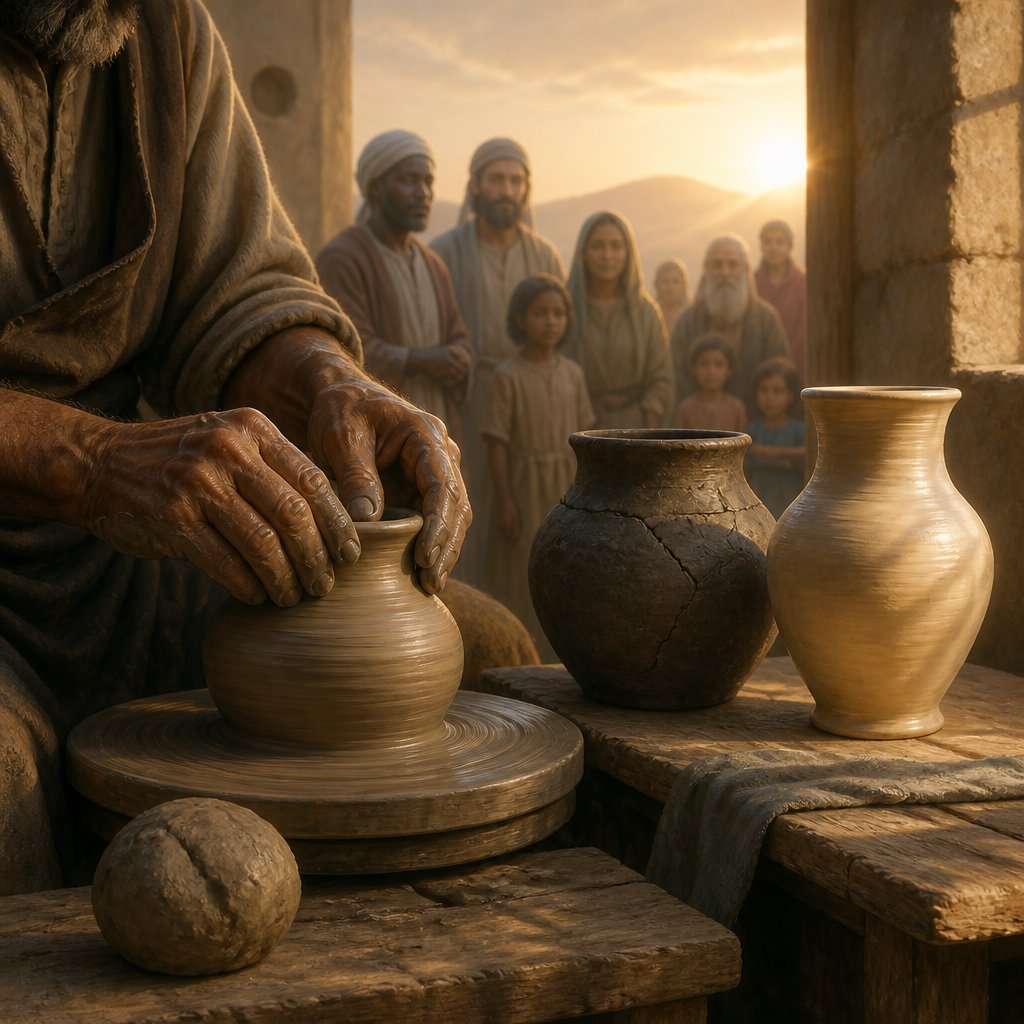
“Thou wilt say then unto me, Why doth he yet find fault? For who hath resisted his will? Nay but, O man, who art thou that repliest against God? Shall the thing formed say to him that formed it, Why hast thou made me thus? Hath not the potter power over the clay, of the same lump to make one vessel unto honour, and another unto dishonour? What if God, willing to shew his wrath, and to make his power known, endured with much longsuffering the vessels of wrath fitted to destruction: And that he might make known the riches of his glory on the vessels of mercy, which he had afore prepared unto glory, Even us, whom he hath called, not of the Jews only, but also of the Gentiles? As he saith also in Osee, I will call them my people, which were not my people; and her beloved, which was not beloved. And it shall come to pass, that in the place where it was said unto them, Ye are not my people; there shall they be called the children of the living God.”
What does Romans 9:19-26 mean?
Romans 9:19-26 in the King James Version of the Bible is a passage that delves deeply into the concepts of God's sovereignty, human free will, and the relationship between the chosen people of Israel and the Gentiles. This passage is part of Paul's letter to the Romans, in which…
Read full commentaryDevotionalThe Potter and the Clay: Understanding Divine Sovereignty and Mercy
In the profound verses of Romans 9:19-26, the Apostle Paul delves deep into the intricate tapestry of God’s sovereignty, human responsibility, and the overwhelming mercy that flows from the heart of our Creator. As we meditate on these words, we are invited to reflect on the…
Read devotionalPrayerA Prayer for Understanding God's Sovereignty and Mercy
Heavenly Father, As I come before You today, I am filled with awe and reverence for Your divine sovereignty and unmatched power. I humbly bow my heart and mind in the light of Your Word from Romans 9:19-26, where we are reminded of our place as the created in relation to the…
Read prayerArtwork for Romans 9:19-26
See all →